Virginia Senior Housing, Adult Care, and Estate Planning Resources

About Virginia
Virginia is a state located in the southeastern region of the United States, known for its rich history, diverse geography, and vibrant culture. The state is known as "the birthplace of a nation" as it was the site of the first permanent English settlement in North America and several key events during the American Revolution. Virginia is home to several iconic landmarks, including Shenandoah National Park, Monticello, and Colonial Williamsburg. The economy of Virginia is driven by industries such as agriculture, healthcare, and technology, and the state is home to several prestigious universities, including the University of Virginia and Virginia Tech. With its blend of historic sites, natural beauty, and modern amenities, Virginia offers visitors endless opportunities for exploration and adventure.
Cities in Virginia
Senior Education
From personal enrichment classes to career preparation, these programs cater to the diverse interests and needs of older adults. Whether you want to explore a new hobby, brush up on your computer skills, or delve into academic subjects, there are options available to suit your preferences. Senior and adult education programs are available nationwide, offering a wide range of classes and programs specifically designed for learners over the age of 55. It's never too late to learn something new!
Types of Senior Education Available to Adults Over 55
Tuition-Free College Courses - Many colleges across the United States understand the value of lifelong learning and offer tuition-free courses specifically designed for seniors. These courses are typically offered as part of a senior citizen audit program, allowing older adults to attend classes without earning credits. While seniors may be responsible for purchasing their own textbooks and materials, some campuses even provide senior discounts to make the learning experience more accessible.
Continuing Education/Certificate Programs - If you’re still part of the workforce or want to gain new skills, check out your local trade schools or community colleges for continuing education/certificate programs. Many classes focus on granting participants CEUs (continued education units) or certificates of completion. Think refresher courses on providing childcare or certification in first aid and CPR.
Personal Enrichment - There are so many opportunities to learn new things, meet new people, and have lots of fun doing it all! If you’ve always wanted to learn how to make jewelry or make the perfect souffle, personal enrichment classes are a great, affordable way to do it!
Intergenerational Programs - Many senior and adult education programs also promote intergenerational interactions by incorporating younger students or volunteers, creating an environment where different age groups can learn from one another.
Adult Day Care
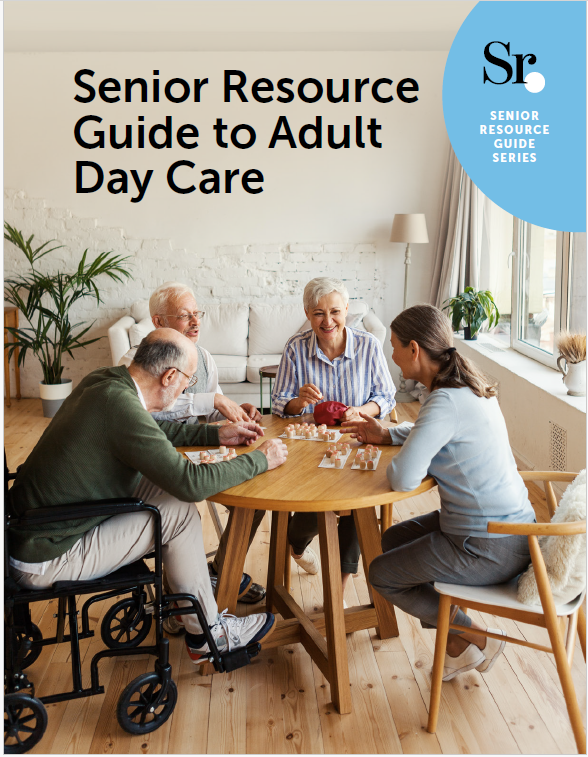
Adult day care is a valuable resource that provides professional care, socialization, and enrichment opportunities for older adults and individuals with disabilities. These programs are specifically designed to offer supervised care in community-based group settings, with the aim of promoting a high quality of life for both participants and their families.
In addition to providing a break for caregivers, adult day care services also play a vital role in countering feelings of isolation or depression that seniors may experience. The opportunity for socialization and engagement with peers can significantly improve mental and emotional well-being.
Adult day care centers offer a range of services and activities tailored to meet the needs of older adults. These may include therapeutic exercises, brain stimulation activities, support groups, and various therapies such as physical and occupational therapy. For those curious about affordability and planning ahead, it's helpful to explore how much adult day care typically costs, as expenses can vary depending on services offered and location.
Overall, adult day care services provide a supportive and engaging environment for seniors, allowing them to receive professional care while also enjoying social interaction and meaningful activities. These services not only give family caregivers a much-needed break, but they also contribute to the overall well-being and quality of life of older adults.
Aging In Place
A Certified Aging in Place Specialist (CAPS) is a professional who has completed training provided by the National Association of Homebuilders. A CAPS can assess personal needs and identify potential environmental changes to ensure continued health and safety for seniors who are aging at home. Certified aging in place specialists can be consultants, home service providers, contractors, realtors, and more.
What Does Aging in Place Mean?
Aging in place means growing old in your own home. But, that’s only part of the big picture. The truth is: it’s so much more! Aging in place includes securing the care and support needed to stay safe in your home. The process focuses on improving and maintaining your quality of life while planning for the future.
Assisted Living
Assisted living is senior housing for older adults and seniors who lead active lifestyles but may need medical or other types of support. Assisted living offers residents assistance with activities of daily living (ADLs) such as dressing, bathing, eating, and more. Living spaces vary from apartments to private units within larger facilities, with most common areas being shared. Assisted living facilities operate based on a social model of care; residents are as independent as possible with support from staff.
It’s estimated that in the US over 810,000 people currently reside in assisted living facilities. This generally includes adults who need help with personal care or are exhibiting signs of declining health that do not require 24-hour management. Many residents have difficulties with motor skills or balance, while others might be minorly impaired in differing ways. Over half of all assisted living residents are aged 85 years or older, though many establishments will accommodate adults of any age who are living with some sort of disability. It is also common for those with Alzheimer’s or dementia to reside in assisted living.
What Services are Offered in Assisted Living?
When considering an assisted living facility, there is a range of general services that you can typically expect. These include meal preparation, ensuring that residents receive nutritious and balanced meals. Assistance with personal care is also provided, addressing activities such as bathing, dressing, and grooming. Some types of medical care may be available, such as medication management or assistance with monitoring health conditions. Social and wellness activities are a key component, promoting engagement and enhancing the quality of life for residents. This can include exercise classes, arts and crafts, outings, and other recreational opportunities. Laundry and housekeeping services are often offered, ensuring that residents have clean and well-maintained living spaces.
In addition to these core services, many assisted living communities go above and beyond by offering additional amenities. These might include on-site hair salons, allowing residents to conveniently maintain their appearance and grooming needs. Transportation services are often provided for medical appointments or running errands, enabling residents to access necessary healthcare services and maintain independence. Excursions and outings are frequently organized, allowing residents to explore the local community and participate in leisure activities or entertainment outside of the facility. It's important to note that while these services and amenities are commonly found in assisted living facilities, each facility is unique and offerings may vary.
Cohousing
Cohousing refers to private communities where residents live in clusters of homes or condos close to one another. Cohousing embraces community involvement as a lifestyle. Residents share everything from mealtimes to cleaning and laundry duties and even celebrations and holidays.
Senior cohousing communities are specifically designed to foster strong bonds and a sense of community among residents. These communities provide an opportunity for active seniors to join a close-knit group of individuals who share common interests and values. Living in a senior cohousing community allows you to engage in social interactions with fellow residents, both inside your own private home and within the common areas of the community. The physical layout and design of these communities facilitate easy interaction and encourage neighborly connections.
These communities often offer a range of shared activities and resources, such as craft classes, woodworking workshops, day trips, and extended travel opportunities. The emphasis is on creating an inclusive environment where individuals can bring their own talents, skills, and abilities to contribute to the community.
Elder Law & Estate Planning
Elder law is a specialized area of law that focuses on the legal needs and concerns of aging adults, typically those over the age of 65. It covers a wide range of legal and practical issues that affect seniors, their caretakers, and family members. The primary goal of elder law is to provide holistic legal advice and support to older adults and those who are disabled, allowing them to preserve and protect their rights, values, and interests.
Elder law is not limited to any specific legal problem but rather focuses on the specific needs and challenges faced by the elderly population. The field of elder law aims to ensure that seniors have access to the necessary legal protections and support to enhance their quality of life and overall well-being.
What is an Elder Law Attorney?
Elder law attorneys specialize in addressing various legal matters related to aging, including estate planning, retirement benefits, health care planning, long-term care options, capacity and decision-making, public benefits, conservatorship, and administration of estates. They provide guidance and assistance in navigating complex legal processes and ensure that the unique needs and concerns of older individuals are met.
Home Care
Home care includes a broad spectrum of services and supports, all with one primary objective: to facilitate ways for you to maintain your independence, ensure your safety, and enable you to stay in the comfort of your own home for a longer period. It's about providing you with the assistance you need, when you need it, without compromising on your autonomy or personal space.
Home care for seniors is any service or support that provides independence and safety with the intention of improving one’s quality of life while aging in place. Home care and home health care can be provided by family members, professional caregivers, and healthcare professionals. Home care may include personal care assistance, companionship, and even skilled nursing, often through agencies or privately contracted and licensed caregivers.When Should You Choose Home Care?
Everyone is different and everyone lives under different circumstances. However, here are a few factors for seniors and their families to look out for: Everyday tasks have become more difficult (cooking, cleaning, laundry, etc.), forgetfulness, loneliness, good hygiene is becoming harder to maintain, frequent falls, decline in mobility, weakened motor skills.
Senior Apartments
It's not just about convenience and affordability; it's about creating a fulfilling lifestyle. Senior apartments are constructed, maintained, and updated to accommodate the 55-plus community. Often age-restricted, senior apartments are designed with accessibility in mind. One to two-bedroom units are standard as well as senior-friendly comfort and amenities. Senior apartments are great for retired adults who want to downsize but still have a social life. Apartment living is appealing to those who dislike yard work or home maintenance. It's also a great option for retired travelers who want peace of mind while away from home. Residents save money with lower expenses because they often include utilities and don't require property taxes.
Types of Senior Apartments
Affordable Senior Apartments - Retirees with low income may be eligible for cheap senior living apartments provided by government housing programs. These apartments are cheaper than usual. The eligibility to rent them depends on factors such as income, family size, and the average income in the area. Keep in mind that services or amenities in low-income senior apartments may be more limited.
Market Rate Senior Apartments - Market-rate senior apartments do not have income limits. Pricing is competitive and based on comparable housing options in the surrounding area. These apartments often come with amenities like community dining, housekeeping, and even transportation services.
Luxury Senior Apartments - Luxury apartments are generally larger, offering up to 2,000 square feet of living space, and boast a wide range of upscale amenities and community activities for their residents. Many luxury apartments are situated within gated communities. The cost of living in these apartments can be quite high, with entrance fees alone often reaching six figures.
Nursing Homes
When it comes to healthcare services for seniors, nursing homes and skilled nursing facilities (SNFs) are two of the most common options available. A nursing home is a living option for seniors who do not need a hospital but require a higher level of care or medical attention than can be provided at home or in assisted living. Nursing homes provide structured schedules, meals, and around-the-clock medical treatment. Residents have care plans and receive regular health assessments. Nursing homes are regulated at both federal and state levels. A skilled nursing facility (SNF) is a residential establishment for short-term medically necessary services. Residents receive 24-hour care from skilled nursing professionals, usually after a recent injury or illness. Residents may no longer require hospital care but might need medical management and monitoring, rehabilitation, or therapy. SNFs are licensed by the state’s Department of Health Services, but must also meet federal requirements “to receive payment under Medicare or Medicaid programs.”
Hospice Care
Hospice care is medical support for those who are nearing the end of life. Patients whose life expectancy is 6 months or less begin treatment that is focused on comfort and symptom management. The types of hospice care are routine home care, continuous home care, general inpatient care, and respite.
Routine Home Care - This is the most common level of care in hospice and involves scheduled, routine visits in the patient's home by a multidisciplinary care team, which may include a hospice physician, registered nurses, social workers, and other healthcare professionals. The focus of routine home care is on providing comfort, symptom management, emotional support, and spiritual counseling to the patient and their family in the familiar setting of their home.
Continuous Home Care - Continuous home care (CHC) is one of the four levels of hospice care in the Medicare Hospice Benefit. It entails providing continuous nursing care at home for patients whose symptoms require frequent monitoring and management to maintain comfort. This level of care is typically required by Medicare hospice regulations to address acute symptom crises.
General Inpatient Care - This level of hospice care is intended for patients who experience crisis-like situations that cannot be managed at home. General inpatient care provides short-term, round-the-clock medical attention in a specialized facility to address acute symptoms that are difficult to control in a home setting. It focuses on intensive symptom management and comfort care during a period of crisis.
Respite Care - Respite care offers short-term relief to caregivers by admitting the patient to a facility for a limited period. This temporary placement allows caregivers to take a break from their caregiving responsibilities while ensuring that the patient's needs are met by trained professionals. Respite care can prevent caregiver burnout and provide a restorative break for family members.
Modular Home Communities
Senior mobile parks and modular communities exist to present seniors with an affordable, community-based lifestyle option. These neighborhoods usually operate in the same manner as what you'd probably consider a traditional retirement community, where there may be homeowner association fees as well as localized ordinances, and even amenities. Mobile and modular communities can be an attractive option to senior adults who are looking to downsize while also staying safe and social.
Mobile and modular homes are prefabricated, meaning they're built off-site, in a factory, and then transported to a permanent location.
Area Agencies on Aging
Housekeeping & Cleaning Services
Retirement Communities
Retirement communities have become a popular choice among active and independent senior adults over 55. These vibrant neighborhoods offer a range of economic housing options, including single-family homes, condos, and duplexes. Designed with the needs of retirees in mind, these communities provide an ideal solution for those who no longer wish to deal with the hassle of regular home maintenance.
One of the many advantages of traditional retirement communities is the sense of community and camaraderie they foster. Age restrictions ensure a peaceful and like-minded atmosphere, creating an environment where residents can connect with others who are at a similar stage in life. Whether it's joining social clubs, participating in group activities, or simply enjoying the company of neighbors, these communities offer ample opportunities for social engagement.
Living in a traditional retirement community also means having access to a variety of amenities. Homeowners' association fees typically cover services like lawn care and snow removal, freeing residents from the burdensome tasks of home upkeep. Additionally, many communities boast amenities such as swimming pools, fitness centers, walking trails, and community centers, providing endless opportunities to stay active and pursue hobbies.
Continuing care retirement communities (CCRCs), also known as life plan communities, are a popular long-term care option for older adults. These communities offer independent living combined with access to various levels of care on a single campus.
In a CCRC, residents can enjoy an active and social lifestyle while having access to accommodations commonly found in assisted living or nursing home care. This may include the presence of nurses, dietary aides, or personal care assistants to provide necessary assistance and support.
CCRCs are designed to allow seniors to age in place, meaning they can continue living in the same community even as their care needs change over time. This provides peace of mind and eliminates the need for multiple moves as health conditions evolve.
Places