10 Healthy Eating Tips for Boomers
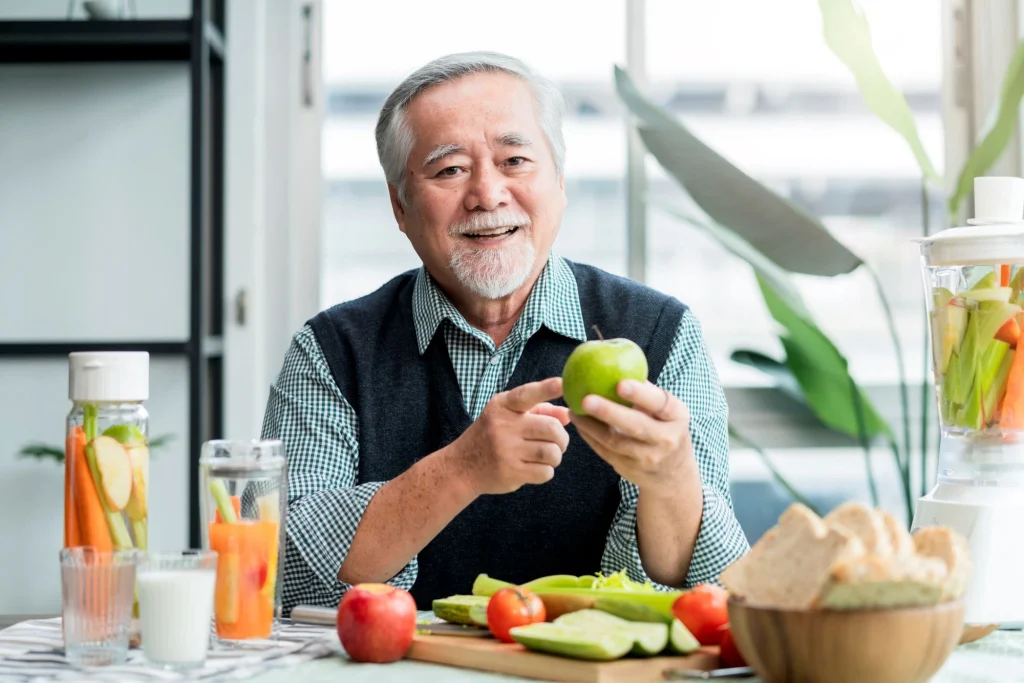
I was born and raised on good, old-fashioned Southern cooking. Everything was batter-dipped, deep-fried, and delicious. Here it is, over fifty years later. Yes, Boomers, brace yourself—I have to write about healthy eating today. Here are 10 healthy eating tips that work for me and might just work for you, too!
Why should I eat healthy?
I know, I know—no one wants to hear that they need to clean up their diet. But healthy eating offers a wide range of benefits. There’s a reason doctors stress the importance of clean eating! Here are just a few reasons why you should consider embracing healthy eating:
- You’ll have a healthier heart: With heart disease as the leading cause of death in adults in the U.S., healthy eating is more important than ever. A good diet can reduce your blood pressure, keeping your heart healthy and lowering your risk of cardiac diseases.
- Better mood: They say you are what you eat. If you feel happier after you eat some fruit versus junk food, there might be a scientific explanation. Turns out, your diet might play a pivotal role in your mental health. Who knew?
- Weight management: It goes without saying that a healthy diet can help you maintain a healthy weight. This, in turn, can reduce your risk of developing several chronic conditions, such as Type 2 diabetes, cancer, hypertension, and even osteoarthritis!
- Stronger bones and teeth: Yes, you read that right! A healthy diet, especially one rich in calcium, can fortify your bones! Some calcium-rich foods include dairy products, kale, and broccoli.
- Better sleep: If you have trouble sleeping, don’t reach for sleeping aids. Instead, try to eat a healthier diet. Cutting back on alcohol can fix your sleep apnea, leading to healthier, uninterrupted sleep. Experts recommend eating some oatmeal or whole-wheat toast before bed, as they release the sleepy hormone serotonin and don’t take long to ingest.
1. Try fruit for dessert.
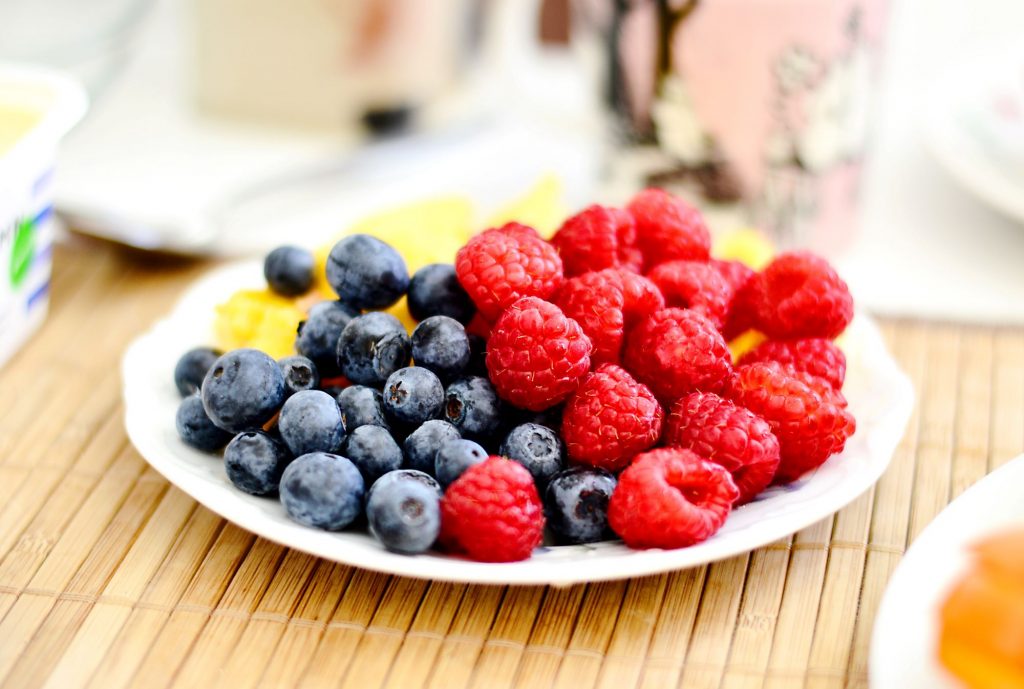
Like any fan of Southern cooking, I love my pies and cobblers. And while occasionally indulging in sugary desserts is okay, eating them after every meal can catch up with you! Instead of reaching for a post-dinner cupcake, try an apple. I personally love berries, too! If you’re feeling a little adventurous, try a mango or a passionfruit. They taste good, and they’re great for your health, too!
Other fun ways to turn fruit into dessert:
- Make creamy one-ingredient ice cream with a ripe banana.
- Throw your fruit on a grill!
- Bake or roast your fruit in an oven.
- Blend them into a yummy smoothie.
- Make a healthy, light, 5-minute fruit mousse.
- Whip together a no-bake Greek yogurt fruit tart.
2. Limit your soda intake.
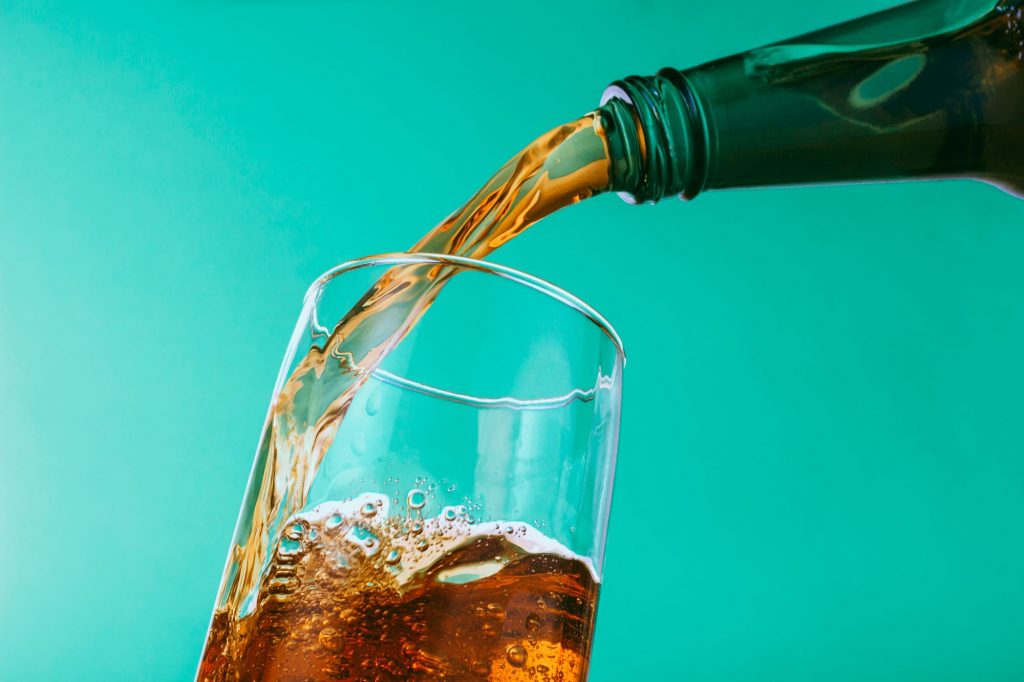
Whether you call it pop or soda, this sugary drink isn’t good for your health. Did you know that soda contains no essential nutrients? As if that’s not bad enough, it can also damage your teeth and cause dehydration! Dehydration puts you at risk for some serious health conditions, including depression and anxiety. So, limit your soda intake!
Some refreshing alternatives to soda:
- Sparkling water
- Coconut water
- Unsweetened iced tea
- Herbal tea
- Coffee
- Vegetable juice
- Fresh-squeezed lemonade
- Fruit-infused water
3. Eat more protein.
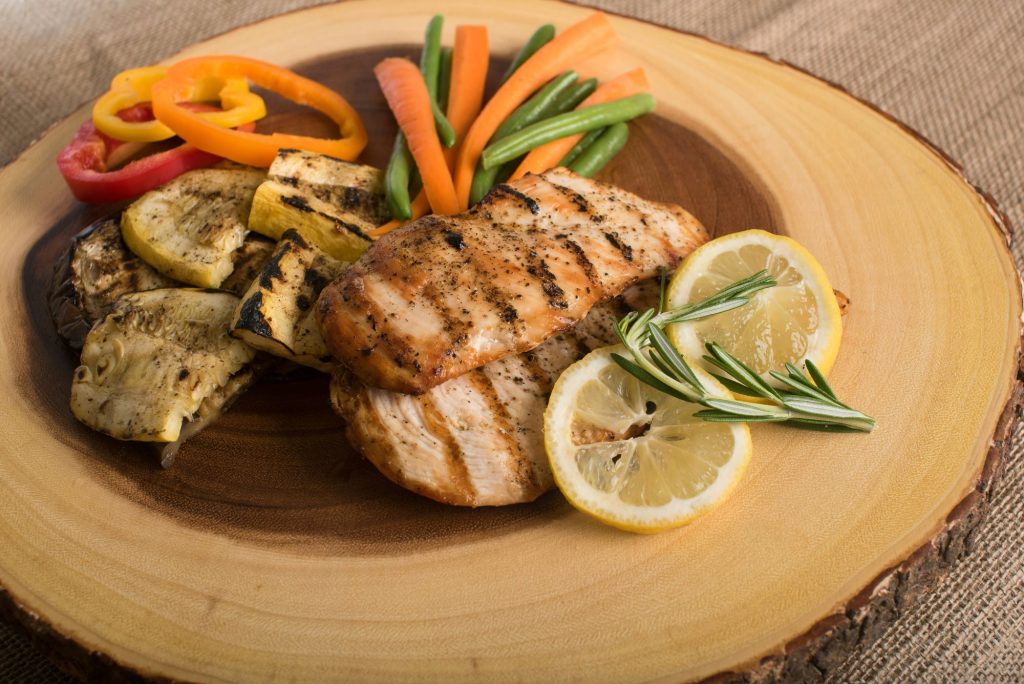
Did you know that once you hit 30, you start losing as much as 5 percent of muscle mass each decade? Yikes! This can be especially dangerous for older adults, as it may lead to less mobility and more overall weakness. The solution? Try to eat as many protein-rich foods as possible! Personally, I love baked salmon and tuna. Almonds are also a great source of protein. Of course, you can also buy protein powders, too!
Some protein-packed foods to try:
- Eggs
- Beans and lentils
- Nuts
- Lean beef
- Dairy products
- Pumpkin seeds
- Tuna
- Quinoa
4. Try seasoning and other toppings instead of salad dressing.
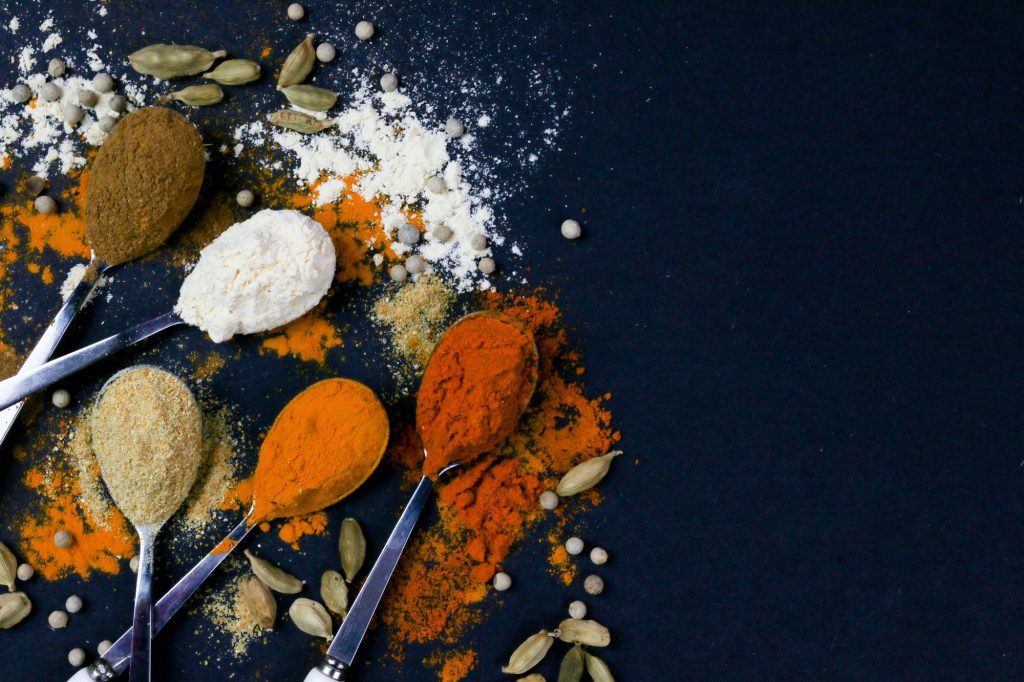
A lot of people think that eating more salads means better health. However, that’s not always the case. Salad dressings can be full of fat and carbohydrates. Of course, there are low-fat salad dressing options, but allow me to present another alternative. Raw vegetables! Broccoli, cauliflower, carrots, and green peppers make for wonderful toppings. Nuts and bacon bits also add more flavor. And, for the final ingredient—lots and lots of delicious seasonings!
5. Use extra virgin olive oil instead of butter.
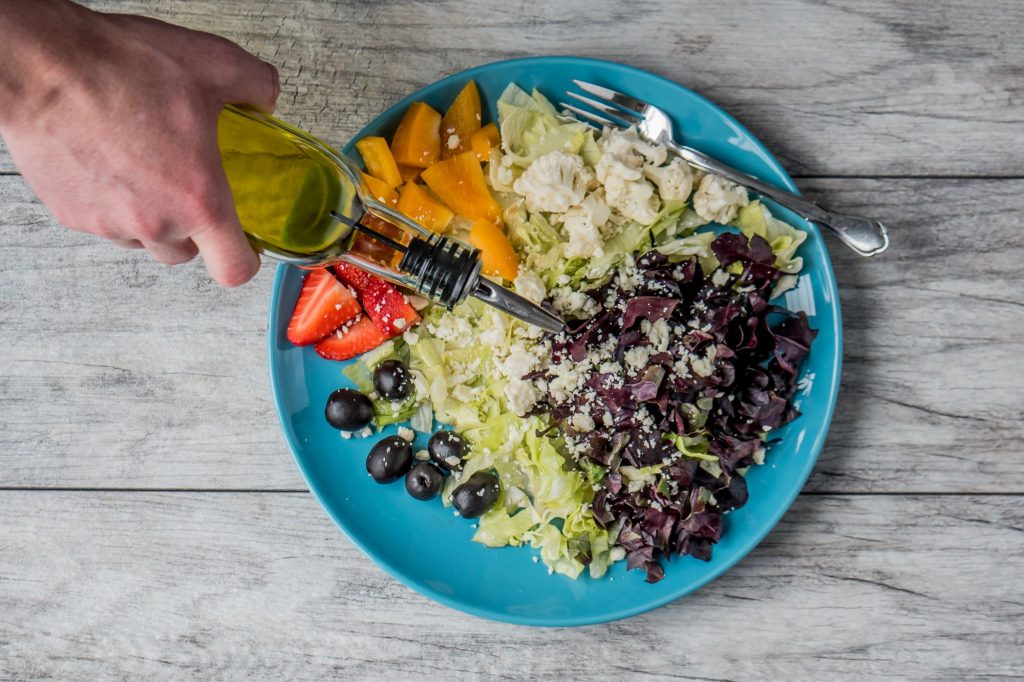
I don’t use lard, oil, butter, or shortening for cooking anymore. Instead, I use extra virgin olive oil or non-stick heart-healthy olive oil pan spray. Extra virgin olive oil has many benefits for a healthy diet. As a matter of fact, studies show that regular intake of this oil may actually improve chronic inflammation and aid in the death of cancer cells. We Boomers may be set in our ways, but it’s never too late to adopt some healthy eating habits.
6. Avoid extra salt.
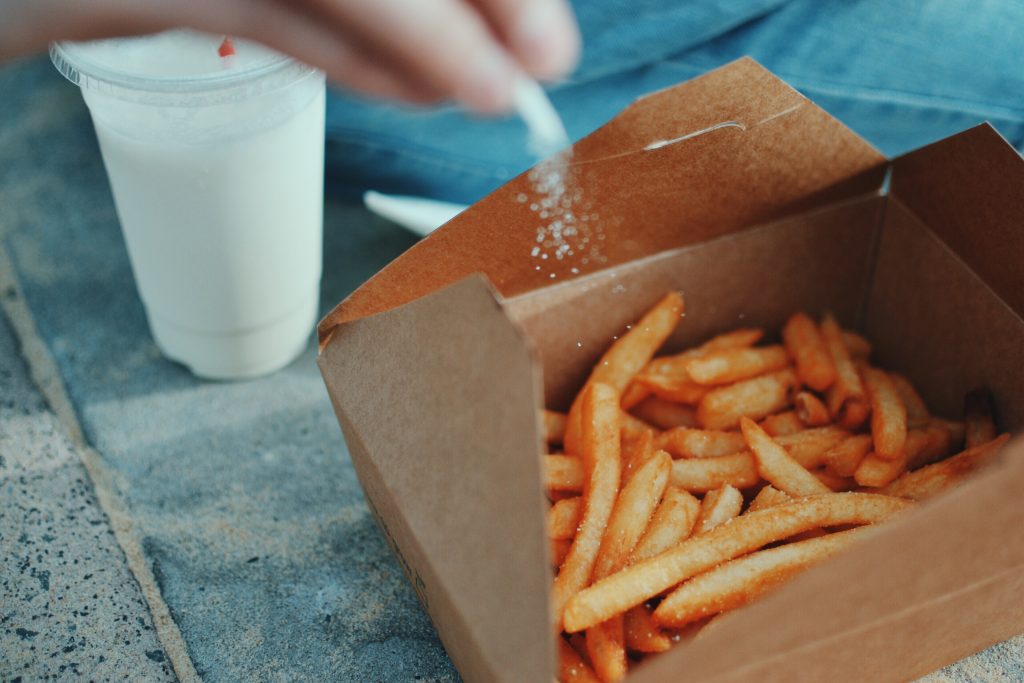
Look, I get it—extra salt often means extra flavor. However, too much of a good thing is a bad thing. And that, unfortunately, applies to salt. In fact, too much sodium in the diet can lead to heart disease and strokes. But that doesn’t mean you have to get used to bland, flavorless food! Switch out salt for a little extra pepper. You can also try out turmeric or even herbs! While a little salt is okay in moderation, don’t go overboard. Your blood pressure will thank you!
Easy ways to reduce salt in your diet:
- Choose fresh foods over processed.
- Use herbs and spices to give flavor to your food in lieu of salt.
- Limit condiments.
- Prepare meals at home instead of going out to eat.
- Eat unsalted nuts instead of pretzels and chips.
- Rinse canned foods before consuming them.
7. Drink water!

Water is essential for our bodies. It lubricates our joints, regulates our body temperature, and even protects our organs (according to Mayo Clinic)! Unfortunately, many people don’t drink enough of it. Whether you can’t quit soda or drink way too much coffee, it’s safe to say that the majority of people don’t drink enough water. However, if you want to be healthy, you need to make sure you’re drinking enough water!
Drink a big glass of water first thing in the morning and buy a refillable bottle. Make sure you’re sipping it periodically throughout the day. Order water at restaurants instead of soda or other drinks. If you don’t like plain water, buy flavored packets or sparkling water. Whatever the case, make sure you’re not dehydrated!
8. Eat more blueberries.
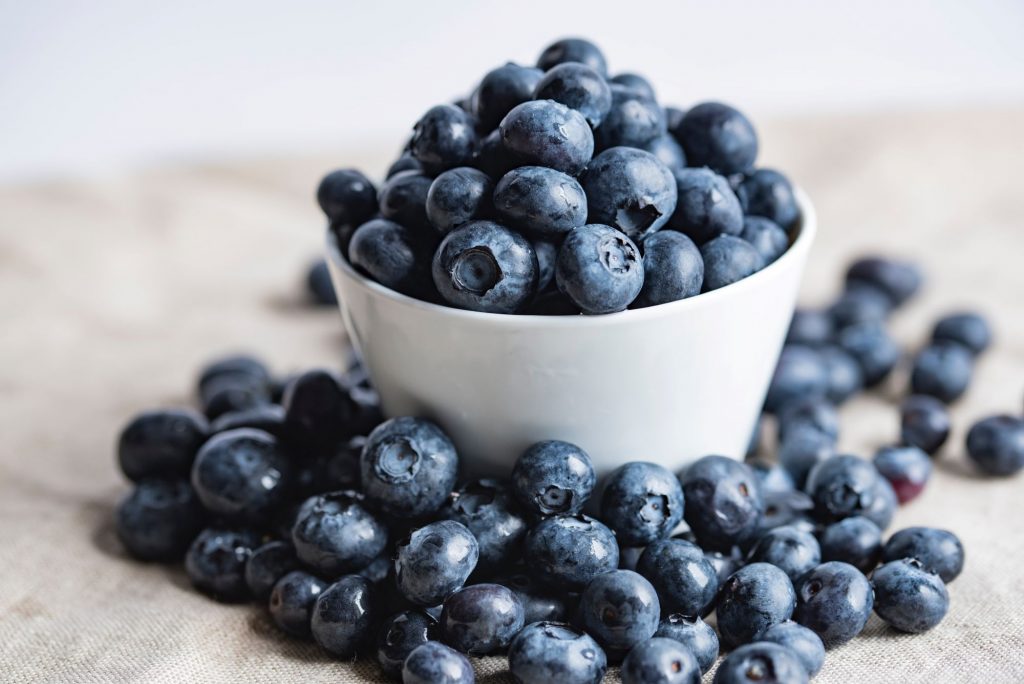
Blueberries are often considered a superfood, and when you look at the health benefits, you won’t be surprised by that! In addition to promoting healthy aging, blueberries may also:
- Manage blood pressure
- Reduce post-exercise muscle damage
- Maintain eye health
- Reduce the risk of heart disease
- Ease UTI (urinary tract infection) symptoms
- Reduce gastrointestinal symptoms
Wow! You won’t be feeling blue if you eat blueberries—that’s for certain! An 80g serving of blueberries also provides vitamins, minerals, and essential nutrients that will keep you healthy. Better yet, blueberries are actually extremely versatile. While you can eat them by themselves, you can also throw them into oatmeal, mix them into smoothies, and bake them into cookies. As long as you’re creative, you can find fun ways to get in your 80g of blueberries per day!
9. Eat balanced meals.
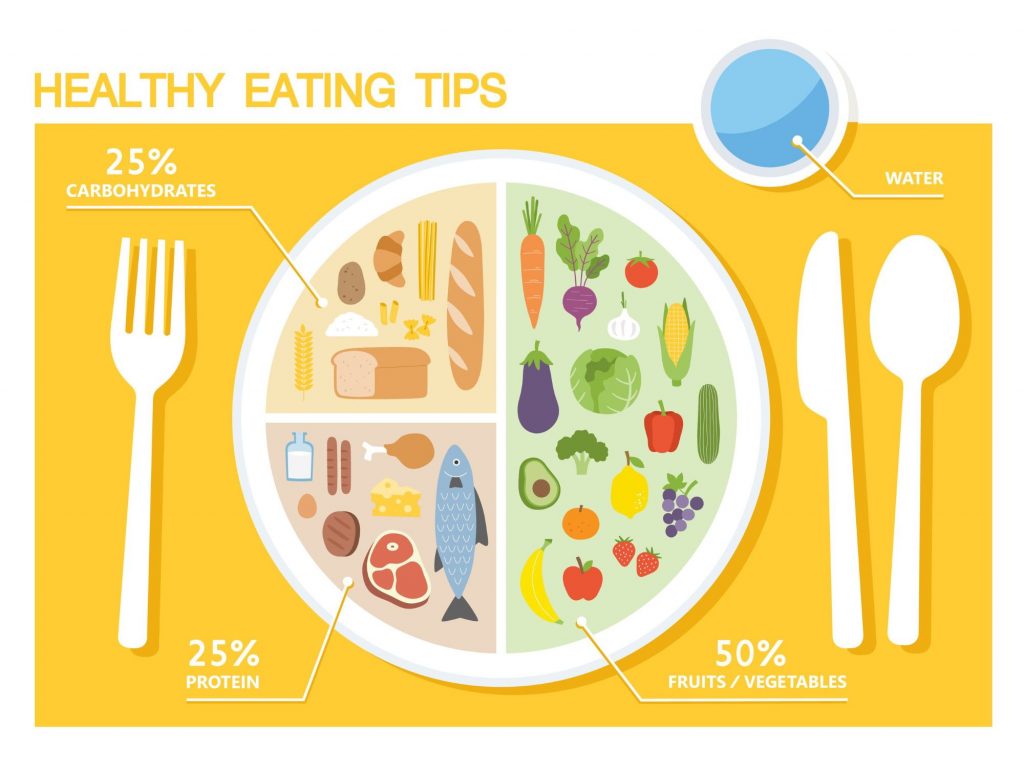
While you can eat more protein and gobble up every blueberry from here to Canada, you also need a little balance in your diet! Try to include something from all five food groups in each meal. Fruits and vegetables should constitute half your plate. Meanwhile, whole grains and protein should take up 1/4, respectively. Consume plant oils in moderation.
Furthermore, current caloric guidelines state that active people over the age of 30 should eat between 2,000–3,000 calories per day. If you’re sedentary and above the age of 30, you should eat between 1,600–2,400 calories per day. Remember, a balanced diet doesn’t mean starving yourself! Restricting calories can weaken your bones and lower your metabolism. It can even lower your immunity! So, don’t go overboard and eat too clean!
10. Eat less saturated fats.
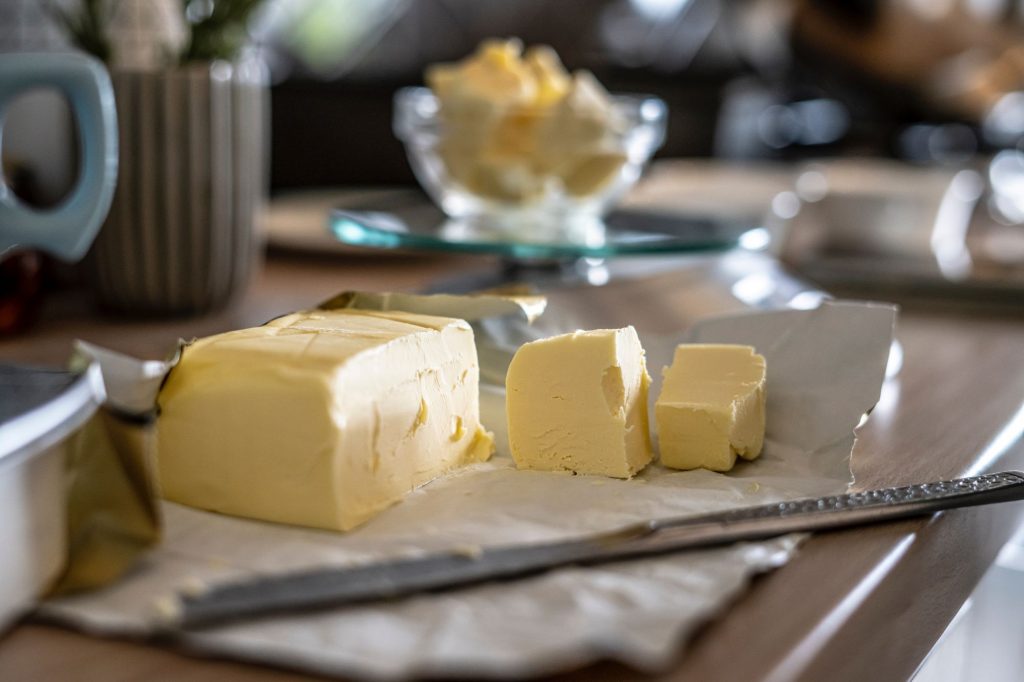
Saturated fats are found in a lot of foods we enjoy, like sausage, cream, and butter. Too many saturated fats put you at risk of developing heart disease. For reference, men should consume about 30g of saturated fat per day. Ladies, I haven’t forgotten about you! You should consume about 20g of saturated fat per day. Make sure you monitor your saturated fat intake closely. You don’t want to develop cholesterol problems, or you won’t be able to enjoy retirement to the fullest!
Images: Shutterstock | Unsplash | travelism @ Getty Images

Popular Articles About Nutrition
Originally published April 28, 2025
Author(s):