10 Signs of Physical Elder Abuse and What to Do Next

Each year in the United States, 1 in 10 adults over 60 suffer some form of elder abuse at home. What’s more, a staggering 1 in 6 who live in a community setting also experience maltreatment. With the population quickly aging, these statistics are on the fast track to worsen over the next several years. Though grossly underreported, the cases of physical elder abuse, one of the most common forms, are rapidly growing each year. Abuse can take on many forms, and as such, can be difficult to spot if you’re not looking out for it. Here’s what you need to know to keep your senior loved ones safe.
What is Physical Elder Abuse?
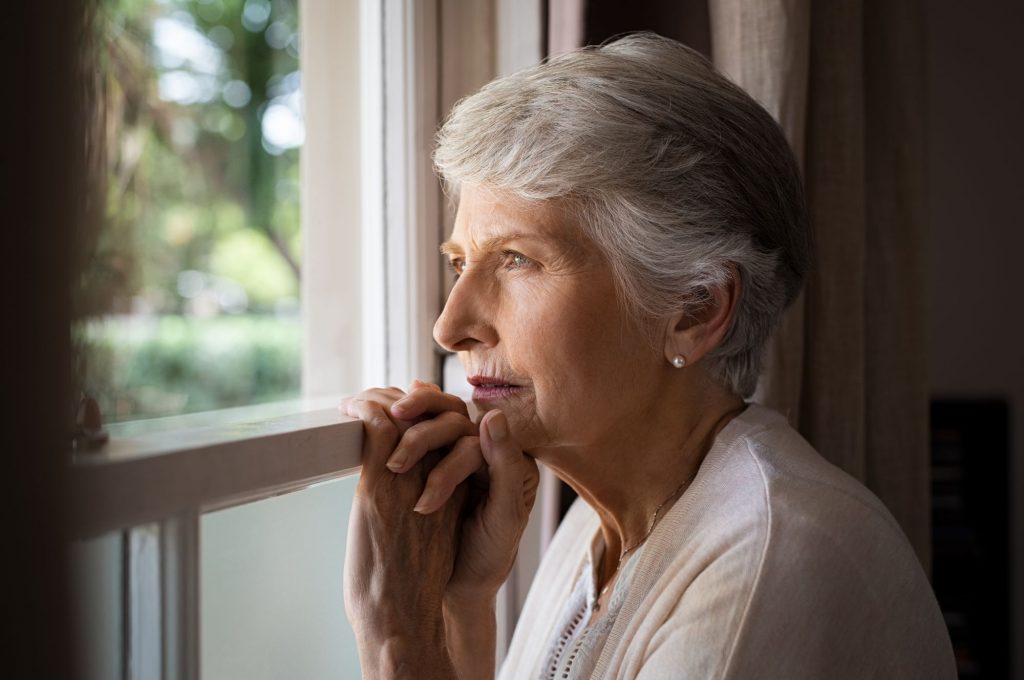
Physical elder abuse is when physical pain or injury is inflicted upon an older adult. This means things like hitting, kicking, pinching, shoving, or even burning.
What are the Ramifications?

Physical abuse can result in minor cuts and bruising, or more seriously, broken bones, disabilities, and even death. The CDC reports that from 2002 to 2016, more than 643,000 older adults were treated in emergency rooms for nonfatal assaults and an astounding 19,000-plus homicides occurred. Keep in mind that these are just the reported cases. Thousands more incidents occur each year that go unreported.
In addition to outward indications, physical abuse can also leave lasting emotional and psychological effects. Many victims feel anxious, depressed, or fearfulness that doesn’t subside.
Risk Factors for Physical Elder Abuse

While any senior may be abused, some older adults run a greater risk than others. Some common risk factors for physical elder abuse are:
- Mental or physical disabilities
- Current or past abuse of drugs or alcohol
- Isolation – lack of social support
- Dementia – According to the National Council on Aging (NCOA), close to 50% of those with dementia suffer elder abuse.
- Past family conflict
- Residing in a community or facility that is understaffed
- Elderly women are more likely to suffer from abuse than men.
According to the NCOA, “in almost 60% of elder abuse or neglect incidents, the perpetrator is a family member. Two-thirds of perpetrators are adult children or spouses.”
10 Signs of Physical Elder Abuse
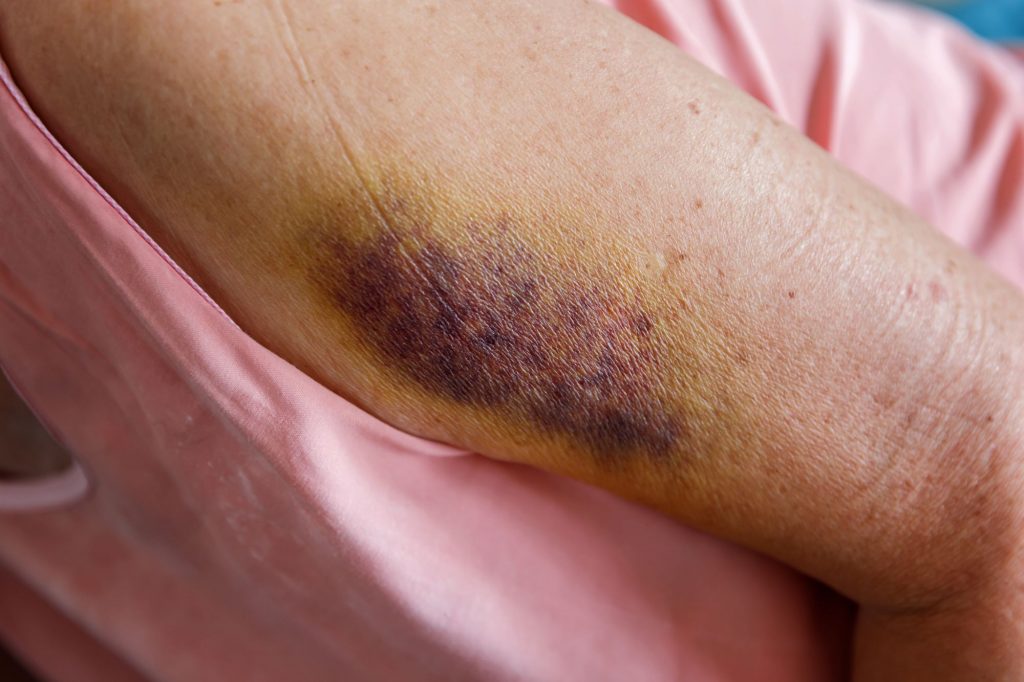
- Bruises, black eyes, unexplained cuts or lacerations
- Fractured or broken bones
- Sprains or dislocations
- Injuries in various stages of healing
- Hesitation or changing stories about injuries
- Sudden, unexplained change in relationships (i.e., suddenly acting afraid of someone, or unwilling to interact as usual)
- Caregiver refusal to allow visitors
- Sudden change in personality or behavior; withdrawal from social activities they normally enjoy
- Lab findings of overdosed medication or under-used prescriptions
- Broken eyeglasses, overturned furniture (that the victim could not have possibly done themself), or other physical signs of being subjected to punishment, or signs of being restrained
If You Suspect Your Senior Loved One is a Victim of Physical Abuse, Here’s What to Do Next

If you suspect elder abuse in any form, whether it’s at home, within a community, or in a nursing facility, here are some next steps you can take:
- Listen to older adults who report injuries, unexplained illnesses, or other red flags
- Take all concerns from your loved ones, family members, or anyone else who may report maltreatment seriously
- Call 9-1-1 if in immediate danger
- Connect with an ombudsman (representatives for residents)
- Connect with a primary physician or emergency department
You must report elder abuse to prevent it. If you or somebody you know is in immediate danger, call 911. If the victim is not in immediate danger, but there are signs of abuse, notify Adult Protective Services.
More Help

Find an elder law attorney near me.
Additional senior resources:

Popular Articles About Elder Law & Estate Planning
Originally published December 20, 2024
Author(s):