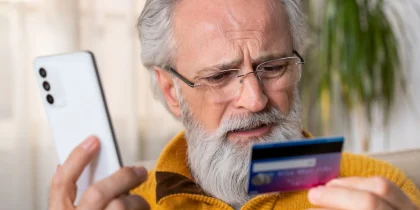
4 Proactive Things You Can Do to Feel Safer at Home

Feeling secure in your home is essential for your mental and emotional health. When you feel safe, you’re less likely to experience things like stress and anxiety. You’re able to allow yourself to relax and recharge. While it’s challenging to eliminate all potential hazards, there are several proactive steps you can take to enhance your home’s security. Here are 4 practical ways to help you feel safer in your own space.
1. Upgrade Your System for Home Security
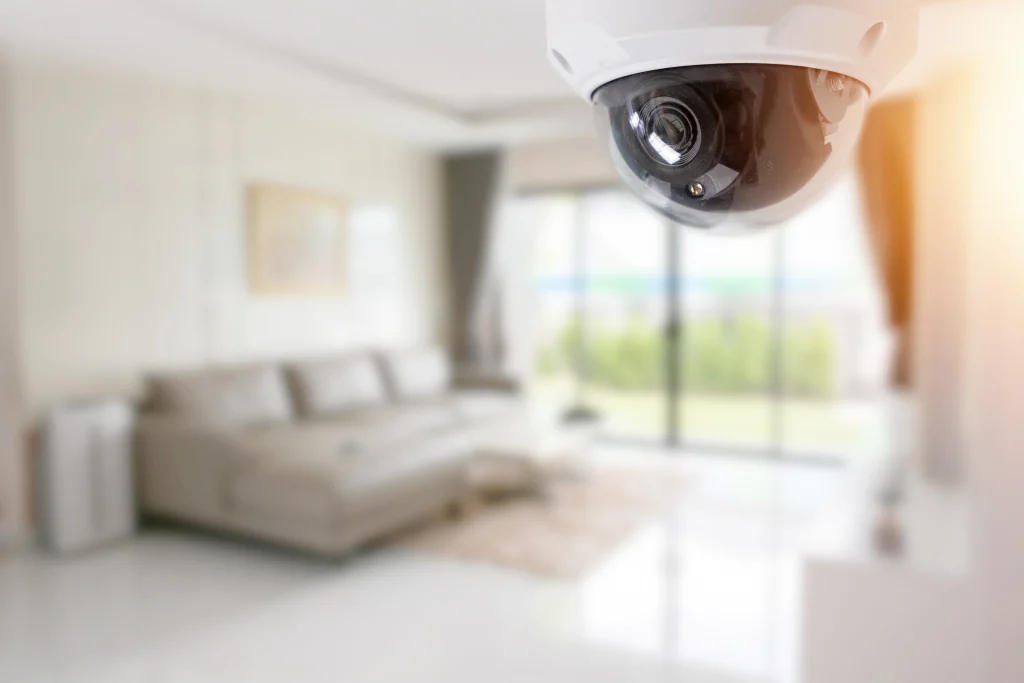
A secure home is built on a thorough home security system. Your perception of security can be greatly increased by making an investment in cutting-edge security features. Install high-definition security cameras in key areas of your property, like driveways, front and rear doors, and any blind spots. This facilitates monitoring any suspicious behavior and sealing off all possible entrance points. These days, you can buy a security camera system online. With the help of smartphone apps, you can access many current systems remotely and view real-time home monitoring from any location. Invest in a feature-rich alarm system that features motion detectors, glass-break sensors, and door/window sensors. These gadgets can warn you of unwanted access and sound an alarm to ward off possible invaders. Select a system that offers expert monitoring services around the clock. Upgrade to smart locks with code, biometric, or smartphone app keyless entry.
2. Improve Exterior Lighting
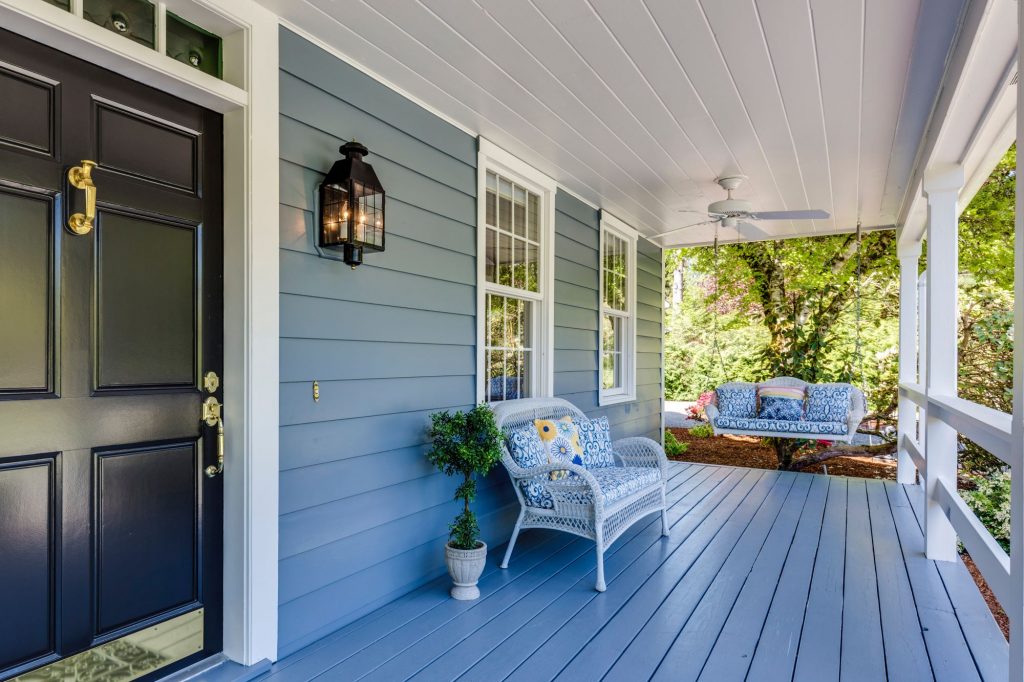
Good exterior illumination increases your safety by discouraging intruders. Install motion-activated lighting next to driveways, windows, and doors, among other entry opportunities. To reduce false alarms and ensure the motion detectors cover a large area, adjust the sensitivity of the devices. Use outdoor lighting fixtures to keep your house well-lit in the evening and early morning. Porch lights, path lights, and floodlights are a few examples of this. Timer devices or smart lighting systems that can be set to turn on and off at specific times can be used to simulate occupancy and deter criminal activity. Make sure your landscaping doesn’t block off the outside view of your house. Prune trees, shrubs, and bushes that could hide an intruder, particularly those that are close to windows and doors. Light up pathways and possible hiding places using landscape lights to make it more difficult for someone to approach your house covertly.
3. Build A Neighborhood Watch Program
Building a community of vigilant neighbors can improve safety and foster a sense of support. To determine interest and start a neighborhood watch group, get in touch with your neighbors. Assign duties to members of the group and establish clear lines of communication. Work together with the local law enforcement to obtain guidance and assistance. A lot of police departments provide neighborhood watch programs with training and resources. Call frequent meetings to go over safety issues, exchange updates, and go over any incidents. In addition to fostering a sense of community, this informs everyone of potential risks. Talk about things like safety advice, crime trends, and emergency protocols. Encourage everyone to participate and have an open discussion. Urge your neighbors to stay watchful and alert the group or authorities to any strange activity or conduct. Use neighborhood communication tools to keep everyone connected and informed, including newsletters or group chat applications.
4. Secure Doors and Windows

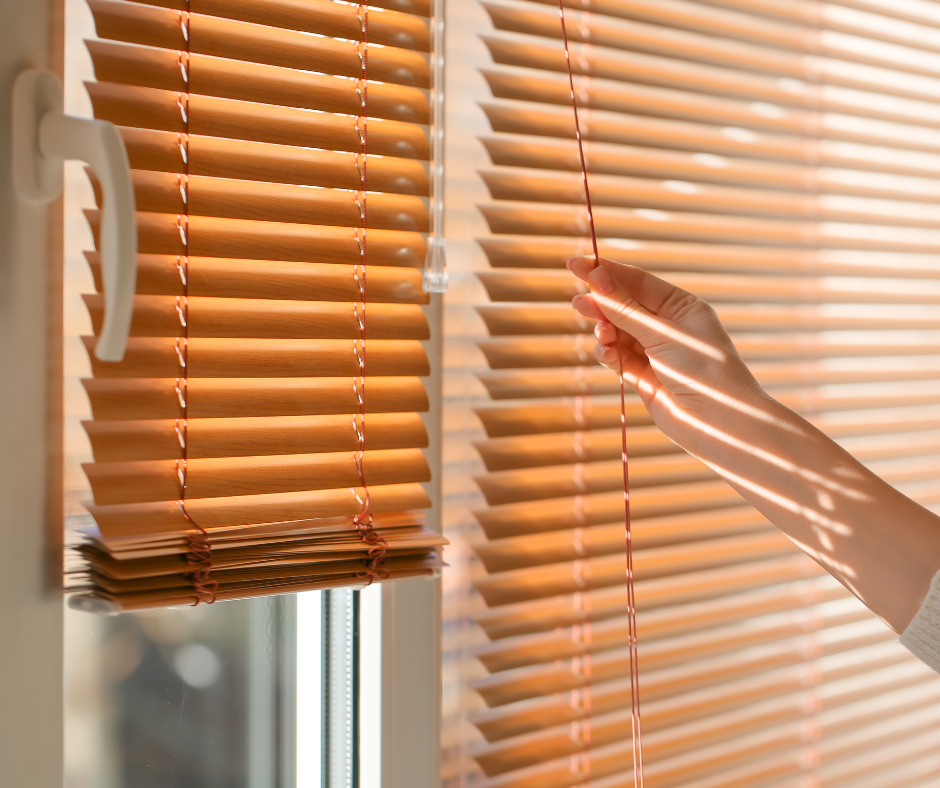
All outside doors can have heavy-duty deadbolts installed on them. It is important to select locks of superior quality that are resistant to tampering and attempted access. Strengthening door frames and preventing them from being readily kicked in can be accomplished by the utilization of door reinforcements such as strike plates and door jams. Make sure that every window has a secure locking mechanism installed. For additional security, you might want to think about installing secondary locks or window bars. It is possible to make window glass more difficult to break by applying a layer that is resistant to shattering. It is possible to conduct routine inspections of doors and windows to search for any indications of wear, damage, or potential weaknesses. Any components that have been hacked can be repaired or replaced to preserve security.
Feel Safer at Home

There are several ways in which you can dramatically improve your safety and sense of well-being. You and your loved ones can live in a more secure and safe environment if you heed these guidelines. As a result of taking these preventative actions, the environment in which you and your loved ones live will become safer, which will help you feel more secure in your house.

Popular Articles About Senior Safety
Originally published August 29, 2024
Author(s):