7 Effective Ways to Manage Incontinence (Without Losing Your Mind)
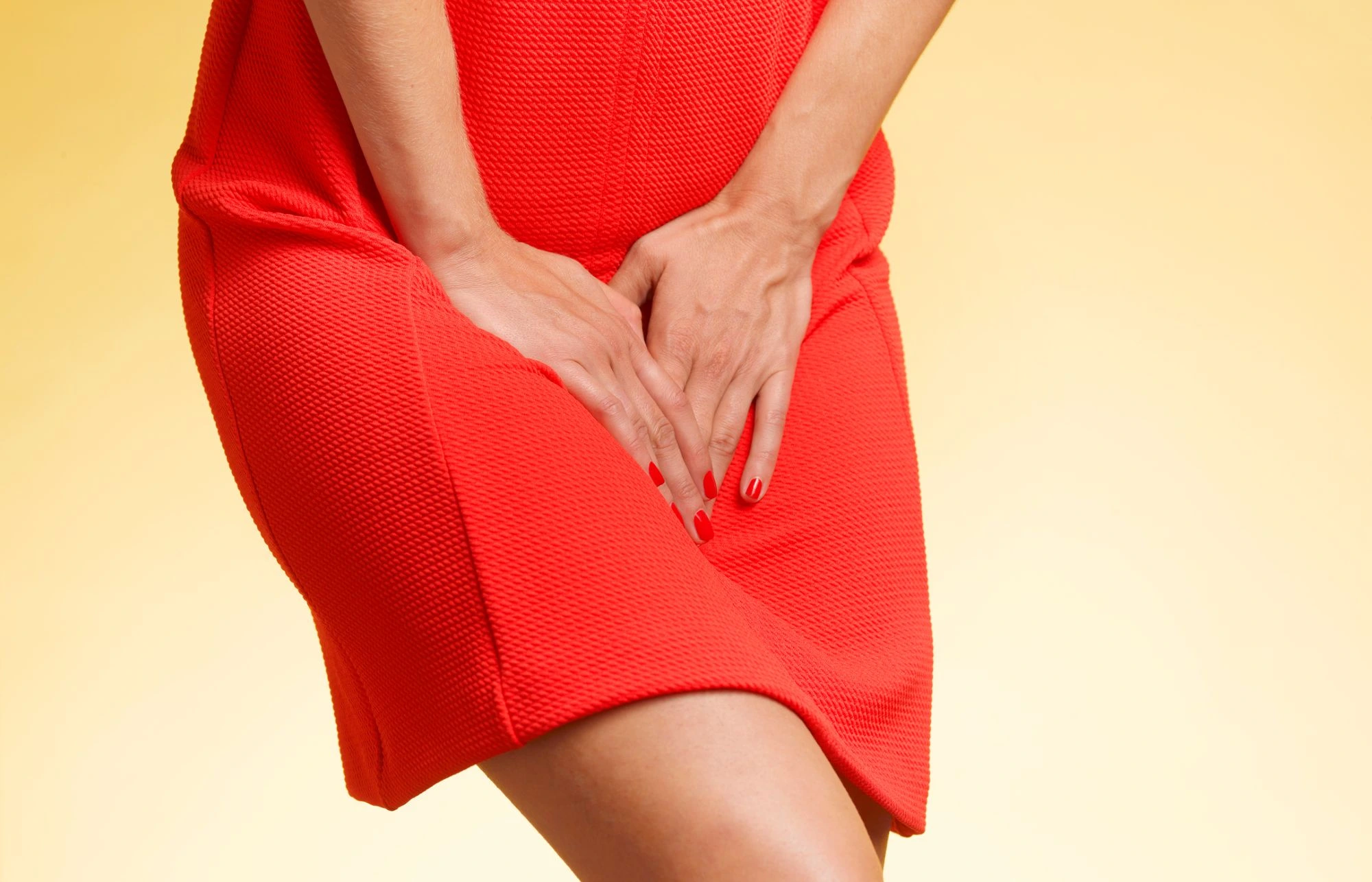
Incontinence is a tricky subject. Many don’t feel comfortable discussing it, and it’s not hard to see why. Let’s face it—it’s not exactly a prime topic of discussion at the dinner table. But guess what? Incontinence affects around 25% to 45% of women and plenty of men, too. So, while a little uncomfortable, these conversations are important. Occasional or persistent incontinence can feel frustrating, embarrassing, and even limiting. But it doesn’t have to take over your life. In fact, there are ways to manage it so you can live worry-free! So, let’s dive into seven tried-and-true ways to manage incontinence and continue to enjoy a high quality of life.
1. The Benefits of Kegel Exercises
Kegels are an effective strategy that can help you to control bladder incontinence, but what are they? They’re essentially little workouts for your pelvic floor muscles.
To try a Kegel, simply pull in and squeeze your muscles as if you’re trying to stop the flow of pee. Hold for 10 seconds, let go, and then repeat. Aim for at least three sets of 10 reps per day. The beauty is that you can do them anywhere—in front of the TV, in line at the bank, while sitting in church, while reading a book to your grandchild, or at the dinner table. No one will be the wiser!
Results can take a few weeks, but you’ll eventually find it easier to hold the flow and make it to the bathroom on time. These exercises work because they help to strengthen the urethral muscles, which play an important role in bladder control.
2. Food and Drink Choices Matter
If you have an overactive bladder, your choice of food and drink can impact it and make incontinence worse. This doesn’t mean that you have to severely limit your diet, but make wise choices whenever possible.
Caffeine can irritate your bladder, making you feel like you have to go more often. Limit your consumption of caffeinated coffees and sodas when you can. If that morning cup is important to you, opt for decaf. Additionally, spicy foods and citrus can bother the lining of your bladder, making you feel as if you have to rush to the bathroom more often. Alcohol can mess with the signal between your brain and bladder, which can give you false cues about urination. Moderation is a smart choice if you want to enjoy the occasional glass of wine or spicy queso while also protecting yourself from incontinence.
And while we’re on this subject, there’s one more myth to clear up—drinking less water won’t stop leaks. As a matter of fact, dehydration can make things worse by irritating your bladder and even increasing your risk of urinary tract infections (UTI). Aim for steady, moderate hydration by sipping water throughout the day.
3. Put Your Bladder on a Timer
The idea of putting your bladder on a schedule might sound strange, but it can be very effective in reducing incontinence episodes. The idea is to teach your bladder to abide by a schedule so the urge to run to the restroom doesn’t hit you every 10 minutes.
To try: Start by setting a two-hour timer and heading to the bathroom precisely when the alarm goes off, whether you feel like you need to or not. Gradually extend the time by 15 or 30 minutes, and set a goal of going about every four hours.
You can also attempt to hold off on running to the toilet for a few minutes when that urge hits you. This can help increase your bladder capacity and give you more control over those sudden, urgent feelings. Don’t hold off for too long, though, as waiting for an extended period too often can increase your risk of UTIs!
4. Incontinence Products
In the best of times and the worst of times, accidents happen. When they happen, you can feel more in control of the situation by having incontinence products handy. Plenty of thin, discreet, and absorbent pads are on the market, as are thicker overnight adult briefs and even washable protective underwear. In other words, you have options!
If you know you’re going to be busy or that a restroom will be less accessible, put on a pad or some protective underwear. Find what works for you, and keep a small emergency kit handy in your purse or car. A pad, a spare pair of underwear, an extra pair of pants, and some wipes can be a lifesaver should you find yourself in an uncomfortable situation due to incontinence. Having a plan and a backup option makes for less stressful outings and fully enjoying your life!
5. Watch Your Weight
Talking about weight is almost as uncomfortable as talking about incontinence, but carrying too much extra weight puts pressure on your bladder. Losing even a few pounds can reduce that pressure and help with bladder control. Research supports this, as a targeted study on weight loss showed that shedding a few pounds reduced the frequency of self-reported urinary incontinence episodes among overweight and obese women as compared with a control group.
If you are struggling to lose weight, try making simple changes like walking more, eating whole foods, and cutting back on sugary snacks or soda. Dropping even five or 10 pounds makes a difference when it comes to managing incontinence and protecting your overall health!
6. Talk to Your Doctor About Medications & Treatments
If you’ve tried all the lifestyle changes and are still having difficulty managing incontinence, it might be time to schedule an appointment with your doctor.
Indications that it’s time to talk to your doctor include:
- Facing incontinence to a level that you feel forced to restrict your activities and limit your social interactions or time away from home
- Incontinence is worrying or frustrating you to the point that it’s negatively impacting your quality of life
- You’re regularly rushing to the toilet so fast that you’re at high risk of a slip or fall, or you’ve experienced slips and falls
- The incontinence is new, or episodes are increasing, and you’re worried it may be a symptom of a more serious underlying condition
Some medications, including Anticholinergic drugs, Mirabegron, and estrogen, can help calm an overactive bladder, block chemical messages, or improve muscle control. Some people even opt for Botox injections, physical therapy, or minor surgical procedures under advice from their physicians.
While talking to your doctor about incontinence can feel a little strange, it’s one of the best strategies for finding real relief from this problem and the support you need. There is no need to suffer in silence when several real and life-changing solutions are out there.
7. Take Care of Your Skin
A conversation about managing incontinence needs to include some information about skin health. Whether your incontinence is mostly under control or leaks are more frequent, it can cause uncomfortable rashes, chafing, and skin irritation. Keeping your skin clean and dry is extremely important. Carry gentle, fragrance-free wet wipes to make clean-up easier after an accident. If you’re dealing with irritation, apply some Vaseline or a moisture barrier cream to protect your skin’s delicate balance and help prevent skin irritation.
If you’re wearing incontinence products, always carry extras and change them as soon as they’re wet or soiled. Sitting in a damp pad or underwear can compromise your skin’s health and lead to rashes and infections, but the problem is typically avoidable with a little forethought and preparation.
A Few More Tips for Living with Incontinence

- Planning and Preparation.
If you’re heading out on a long road trip or outing, plan stops for restroom breaks. In a mall or restaurant, scope out the bathroom situation in advance. Secure a seat at any table that’s easy to make your way out of in case you feel more rushed to get to the restroom.
- Choose Dark-Colored Clothing.
In addition to wearing incontinence pads or briefs, it might help you to feel more comfortable by choosing black or navy blue trousers versus a white pair of pants. Darker-colored slacks and skirts are more forgiving than lighter-colored options when it comes to hiding small accidents.
- Live Your Life.
Takeaway
Incontinence is common, and you’re not alone! Try to normalize important conversations about it, find ways to prepare, explore medications or medical procedures, and don’t let it hold you back from enjoying life. While incontinence is an inevitable part of aging, it is common and shouldn’t control your life. With the right mix of exercises, lifestyle adjustments, and a little planning and preparation, you can effectively manage this condition, continue to enjoy your life, and protect yourself from feeling embarrassed.
So, whether you’re coping with small leaks when you sneeze or you’ve been managing more persistent incontinence for several years, know that effective lifestyle changes and medical solutions exist. You are not in this alone. Incorporate a few of these tips into your everyday life, talk to your doctor, and most importantly, don’t let bladder troubles hold you back from enjoying all the things you love!

Popular Articles About Health Conditions
Originally published July 08, 2025
Author(s):