A Grandparent’s Guide to Water Safety This Summer

Summer is right around the corner! Chances are, your grandchildren are ready to dive right into the season. From baby pools to beach waves, water activities will be an enjoyable way to make summertime memories with your grandkids. Whether you’re raising grandkids, watching them for a day, or taking them on a family vacation, it’s important to be aware of potential risks, your level of water competency, and emergency skills. In other words, you may want to consider studying or even taking a few summer classes on water safety. As the old saying goes, it’s better to be safe than sorry!
Why Water Safety Matters
- Ten people die each day from unintentional drowning, and on average 2 of them are under age 14.
- Drowning is the #1 cause of unintentional deaths among children 1-4.
- About 300 older adults die annually due to drownings, mostly associated with swimming pools, bathtubs, and spas.
After reading these statistics, you might wonder:
- Have you ever been a strong swimmer?
- Are you still the strong swimmer you used to be?
- Do you have enough strength and stamina to save a child from the deep end of a pool?
- Can you pull your grandchild out of a strong ocean tide?
- Do you have appropriate pool, lake, or ocean gear to keep your grandchildren afloat?
- Are your older grandchildren competent swimmers?
- Have you been trained and certified in CPR?
- Do you need a CPR refresher course?
- Could you benefit from lap swimming at your local YMCA or swim club?
- Do you need to take swimming lessons?
- Are you on any medication that will impair your ability to rescue?
- Do you have any physical limitations (i.e. vision or hearing) that may impede intervention?
The questions listed above may sound a bit like overkill, but safety preparedness can mean the difference between a day at the pool and a day at the hospital! Precautionary measures are vitally important in keeping your young charges happy and safe this summer.
Common Water Hazards
Water Temperature
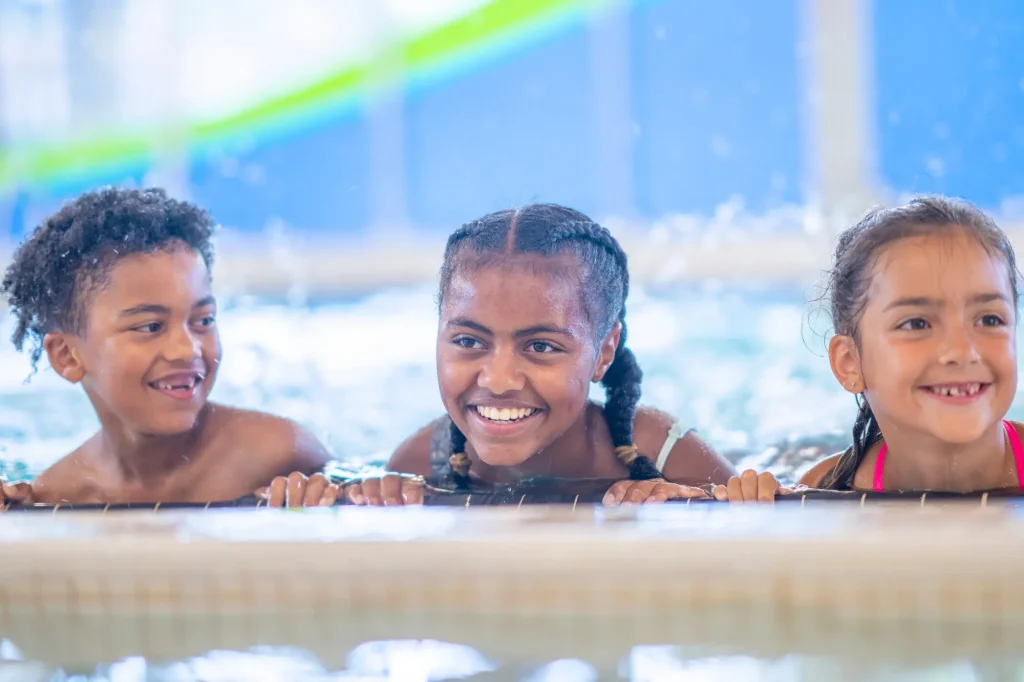
When unheated pools first open in late spring or early summer, the water temperature is usually cold. The same applies to many northern lakes and oceans. Children are enthusiastic swimmers and have the stamina to stay in the water for extended periods. Make sure your young swimmers have time restrictions for swimming in cold water. When it comes to hot tubs, be aware of the tub temperature. Hot tub temperatures above 104° can raise the internal body temperature too high and can progress from feeling light-headed or dizzy, to fainting or passing out.
Depth
Making sure young or new swimmers are relegated to water depths they can handle. That might mean that they swim holding onto the pool’s main stairs or are confined by a rope to the shallow end. In lakes and oceans, it is difficult to estimate the topography of the floor and drop-offs are common.
Currents/Tides
In moving bodies of water such as streams, rivers, or oceans, there can be strong underwater currents and tides that pose a threat to young swimmers.
Hidden Debris
Hidden logs, sticks, and plants can cause injury in lakes, streams, or rivers.
Ocean Life
Jellyfish, Portuguese man of war, crabs, and sharks are sometimes problematic
Swimming Alone
Even a strong swimmer shouldn’t enter the water alone. Depending upon the amount of children in a pool, several strong swimmers should be around to provide assistance. At beaches, make sure a lifeguard is on duty.
Knowing the risks involved with swimming in any body of water is wise. Being prepared to react to different situations may involve bringing extra floatation devices, a first aid kit, and even some basic tools that you might need in an emergency!
Supervision is Key

Grandparents have the benefit of wisdom, which makes them great in swimming situations. When my kids were invited to a family member’s pool one summer, I didn’t worry thanks to my father-in-law. He was not only vigilant in supervising the kids in the pool but also in providing gentle guidance when necessary. The truth about drowning is that it can happen in an instant. A child’s lungs can fill with water in a matter of seconds. If a child cannot breathe, brain damage or death can occur within minutes. Supervision is a serious matter!
Know Signs of Distress!
Drowning is subtle. A swimmer in distress can appear as obvious as a child struggling to stay afloat, which appears much like the act of learning to swim.
Other subtle distress signs include:
- An unfocused gaze
- Closed eyes
- Hyperventilating
- Mouth at water level
Hair over eyes - A swimmer in the vertical position not using their legs in the water
- A swimmer appearing to climb an invisible ladder
- An inability to call for help
Ways to Respond to Water Emergencies
- Get help. Notify a lifeguard, if one is close. If not, ask someone to call 911.
- Move the person. Quickly and safely take the person out of the water.
- Check to see if they’re conscious.
- Shout to get a response.
- If they don’t respond, place them on their back on a firm surface.
- Start CPR!
Life Jackets Save Lives
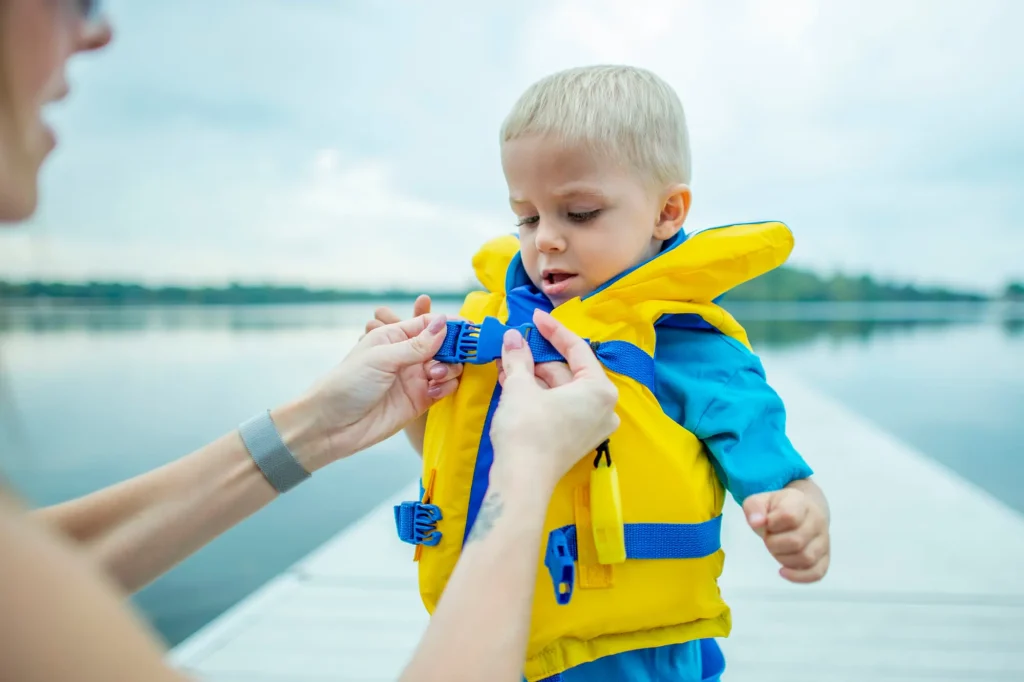
When your grandchildren are learning to swim you will discover that there are many floatation suits available on the market. It can be difficult to choose one. If you have time and technology on your hands, you can help your adult children in choosing. The US Coast Guard-approved “Infant-Child-Youth Life Jacket Vest” can be worn by children from 8 to 90 pounds. This lightweight, colorful, and super-safe vest has a five-star rating and is the only vest approved for children under the age of 13 who are boating! Using common sense and paying close attention will allow grandchildren to experience the joy of learning to swim independently.
Pools Need Boundaries

Pools need physical boundaries. Pools should be properly and completely fenced in an impenetrable manner. Also, all pool gates and access areas should be locked when not in use.
Pools also need boundaries in the form of rules. These would include but are not limited to:
- No running on the pool deck.
- No playing on the pool ladder.
- No horseplay!
- No diving in the shallow end.
- No diving when other swimmers are in the deep end.
Beware of Inflatables
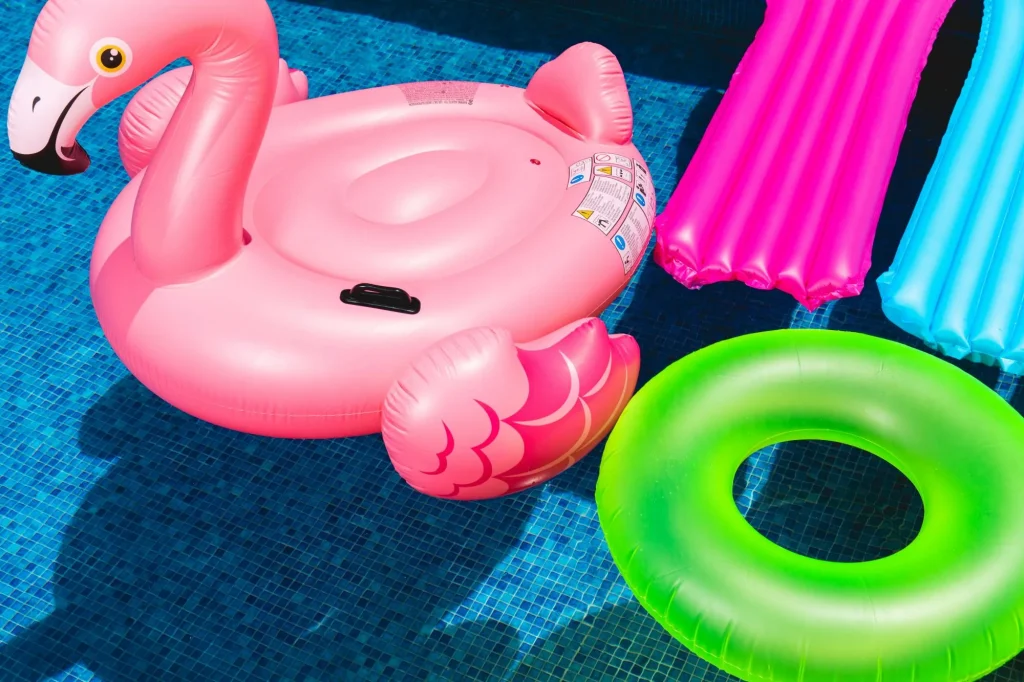
What would a day in the water be without pool floats? Inflatables are an easy and relatively inexpensive way to add fun to your grandchildren’s swimtime. But with any toy, there are several things to be conscious of when it comes to safety:
- Inflatables should never take the place of a life jacket.
- Inflatables are prone to flipping, which leads to injuries.
- Inflatables can float away in open bodies of water.
- Inflatables can become the innocent source of serious horseplay with grandkids.
Public Pools Have Rules
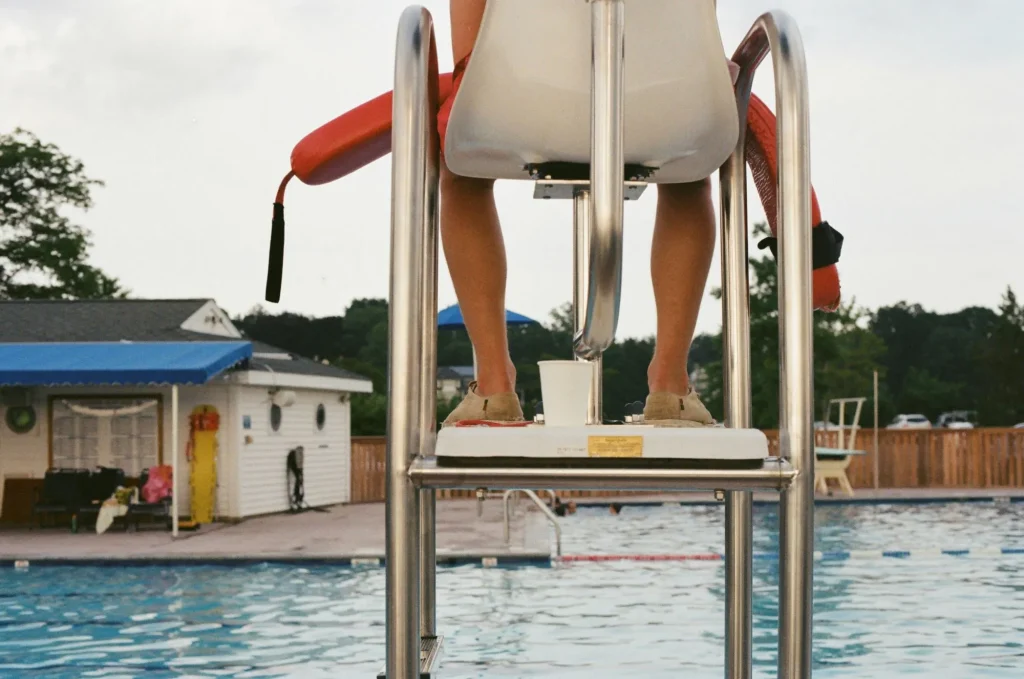
- Always make sure there is a lifeguard on duty.
- Familiarize your grandchildren with the rules of public pools.
Water Parks Have Rules
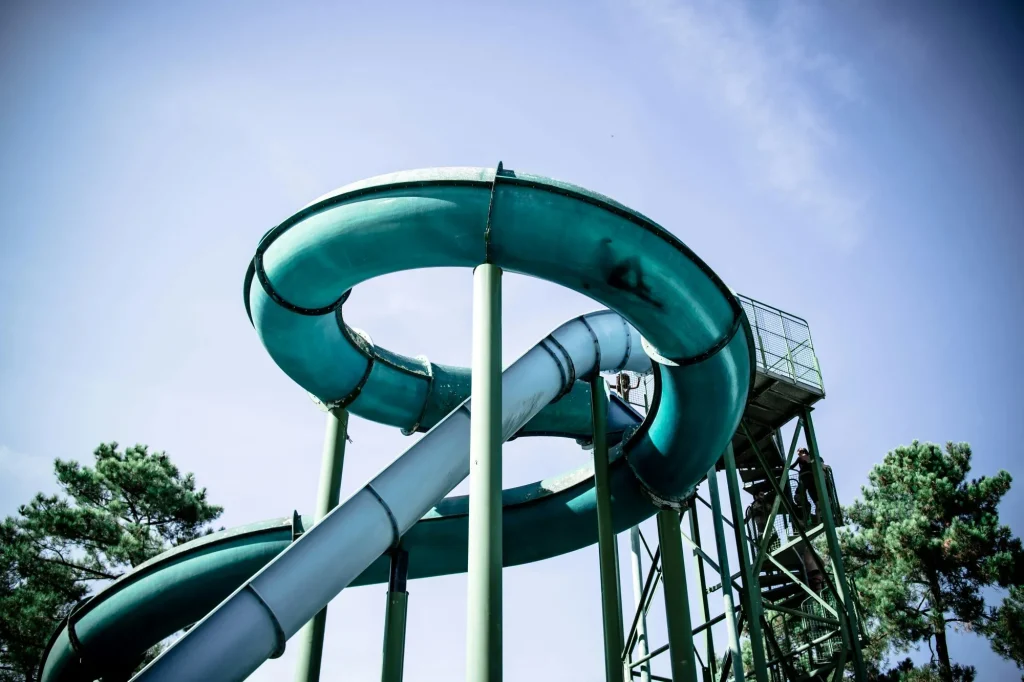
Water parks can create some fun memories when you heed park rules!
- Make sure your grands meet height and weight requirements for water slides and rides.
- Make sure they obey all park workers and lifeguards.
Lakes, Rivers, and Oceans Pose Different Risks
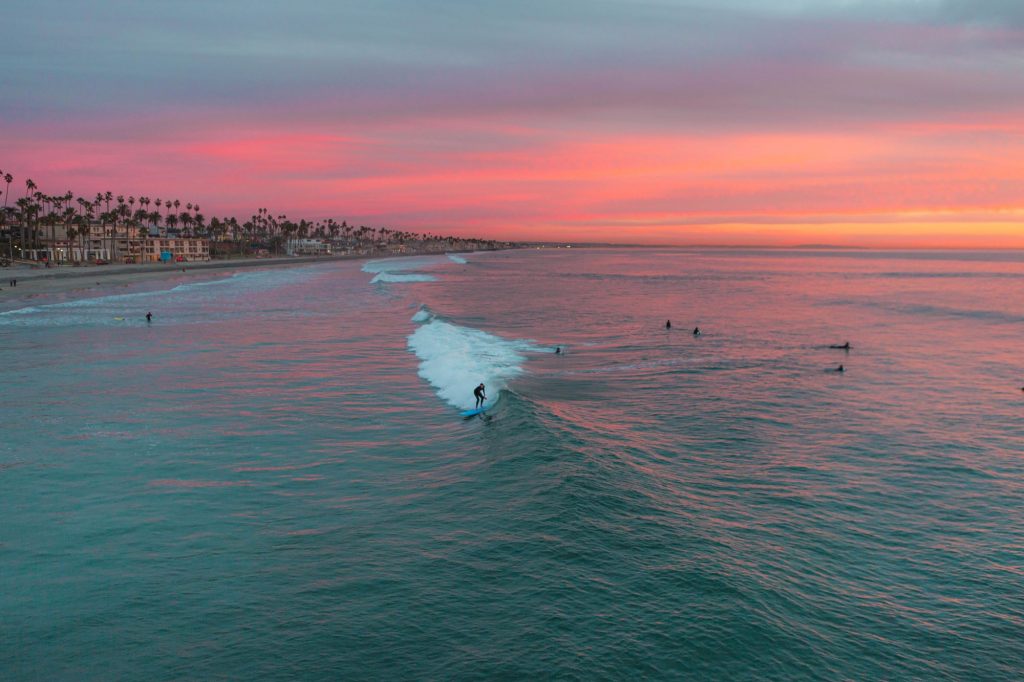
- Briefly discuss the specific dangers of open water like currents, uneven depths, and unexpected drop-offs with your grandchildren.
- Briefly discuss the dangers of rip currents and how to identify them.
- Encourage staying close to shore and following lifeguard instructions.
Sun Safety is Important, Too!
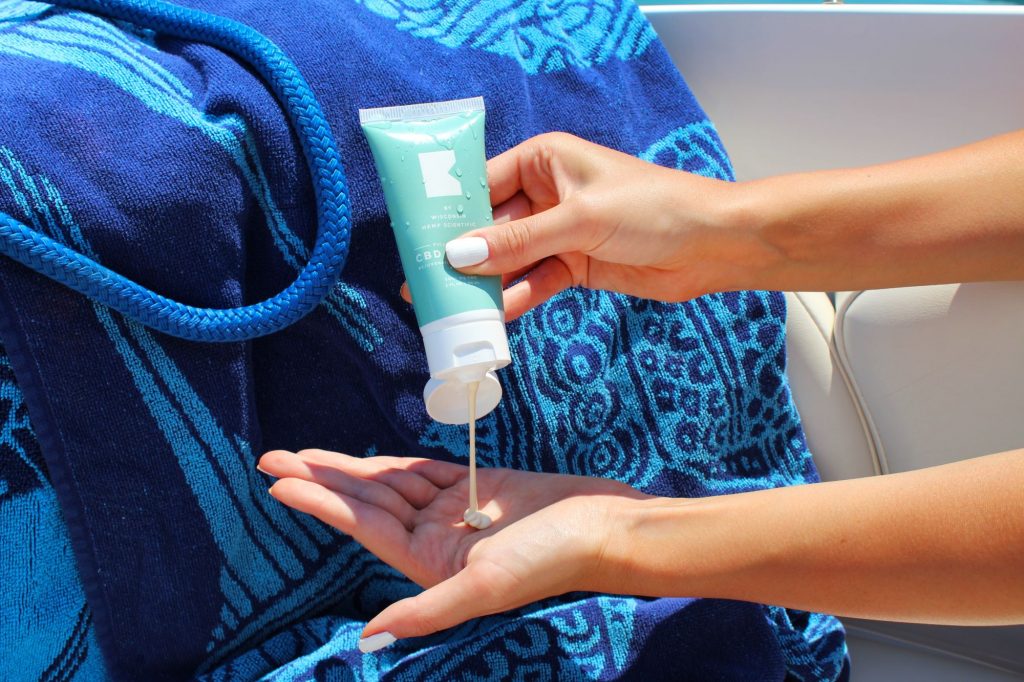
Don’t forget the importance of sun protection for kids, including sunscreen, hats, and sunglasses. There’s nothing worse than coming home from a good day in the sun than feeling the agony of a sunburn at night. Remember that ocean breezes or cooler days are deceptive when it comes to feeling the need for additional sun protection. Always reapply sunblock on your grandkids periodically throughout their swim day!
Enjoy Making Memories Safely!
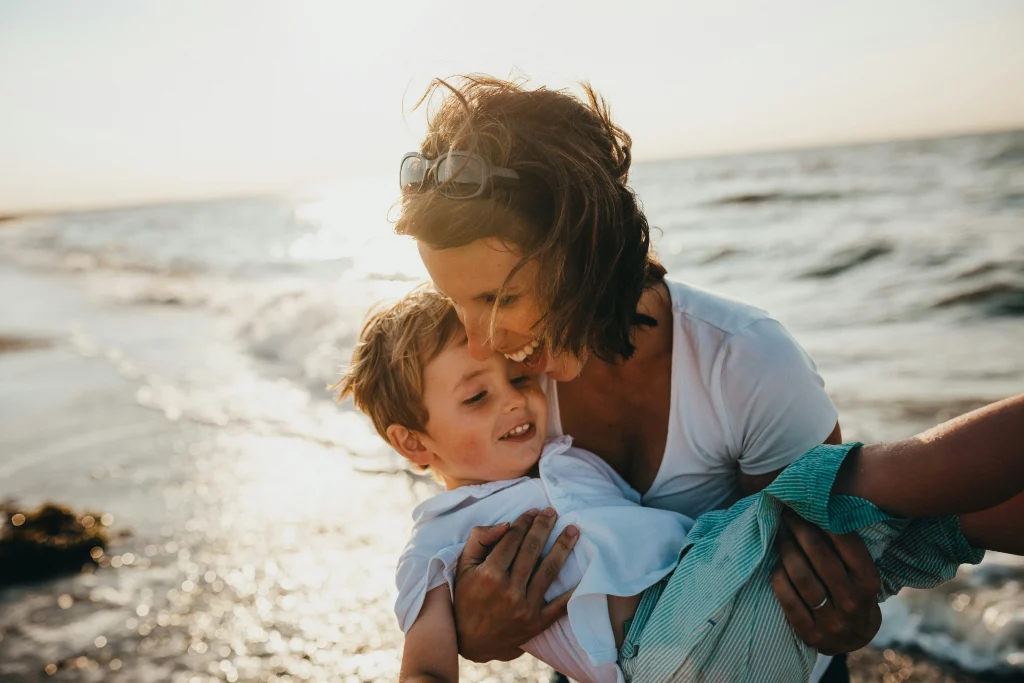
Some of my beloved childhood memories with my grandparents involved water. Whether it was splashing in the baby pool as a youngster or learning to swim in the lake, I always felt safe with them. By following these safety suggestions, you, too, can ensure that you have a safe and fun summer with your grandkids!

Popular Articles About Grandparenting
Originally published June 13, 2024
Author(s):