Boomers, Don’t Ignore These 5 Signs of Cardiovascular Disease
According to the American Heart Association, one in three deaths of older adults is caused by heart disease. For this reason, it’s important to identify the warning signs of cardiovascular disease to prevent it from progressing and continue living a healthy life. Let’s discuss some of the most common symptoms Boomers should look out for.
1. Chest Pain, Tightness, or Discomfort

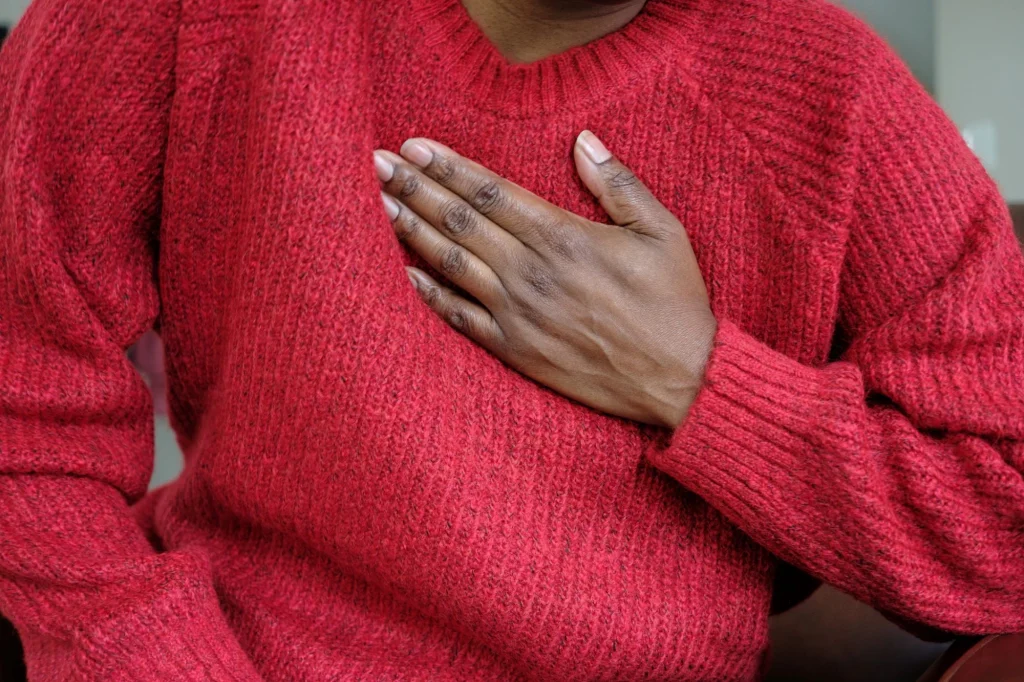
Chest pain and discomfort are the most common symptoms of cardiovascular disease. The pain is typically described as pressure, heaviness, or tightness in the center or left side of the chest. The pain may also radiate to other areas of the upper body, such as the arms, back, jaw region, or even the abdomen. If you or an elderly loved one experiences chest pain, seek medical assistance immediately.
2. Shortness of Breath

Shortness of breath, whether during physical activity or at rest, may indicate that there is a blood flow problem in your heart, lungs, or both. This symptom is common in older adults with heart failure or other heart disease conditions that affect the heart’s ability to pump blood adequately.
3. Swelling in Legs and Feet

Swelling in the legs and feet is another warning sign of cardiovascular disease. It’s a sign that the body is not circulating blood effectively. This symptom is often seen in those with heart failure or blockages in blood vessels (peripheral artery disease).
4. Irregular Heartbeat
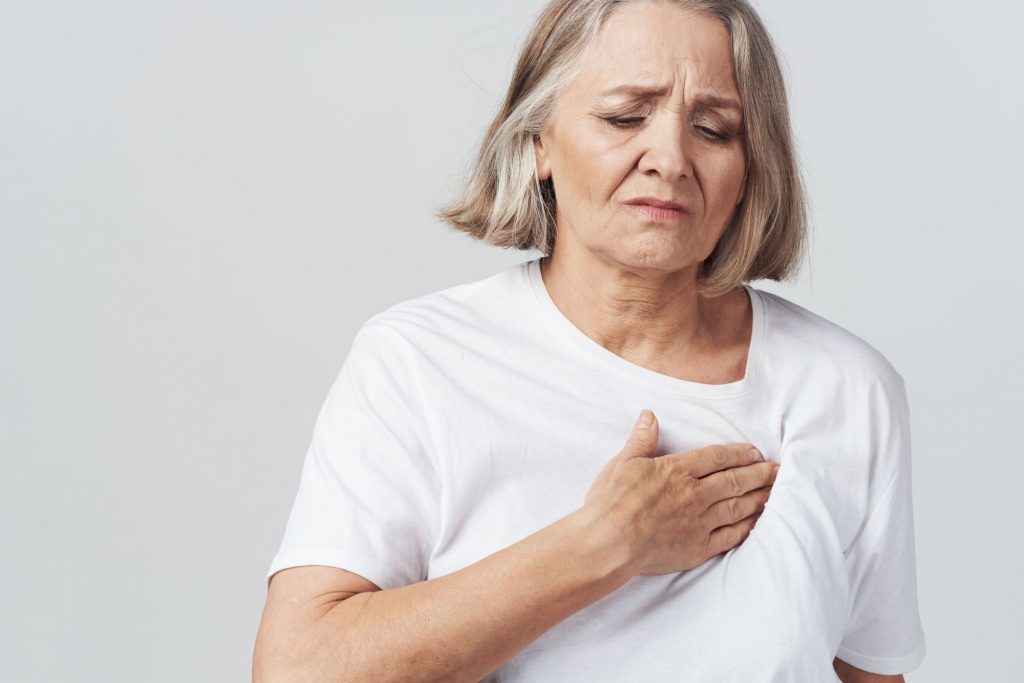
An irregular heartbeat can also be an indication of cardiovascular disease in older adults. Heart palpitations or a fluttering feeling in the chest are often related to arrhythmia and can cause a sense of discomfort or difficulty. If you or your loved one’s heart rate is persistently erratic, we recommend an evaluation by a medical provider ASAP.
5. Fatigue

Chronic fatigue may occur due to a heart’s decreased ability to pump blood, resulting in the body’s inefficiency of receiving nutrients and oxygen.
More Information on Cardiovascular Disease
Early detection of cardiovascular disease can greatly improve the chances of successful treatment and prevention of future complications.
For more information and help, visit these resources:

Popular Articles About Heart Health
Originally published January 16, 2025
Author(s):