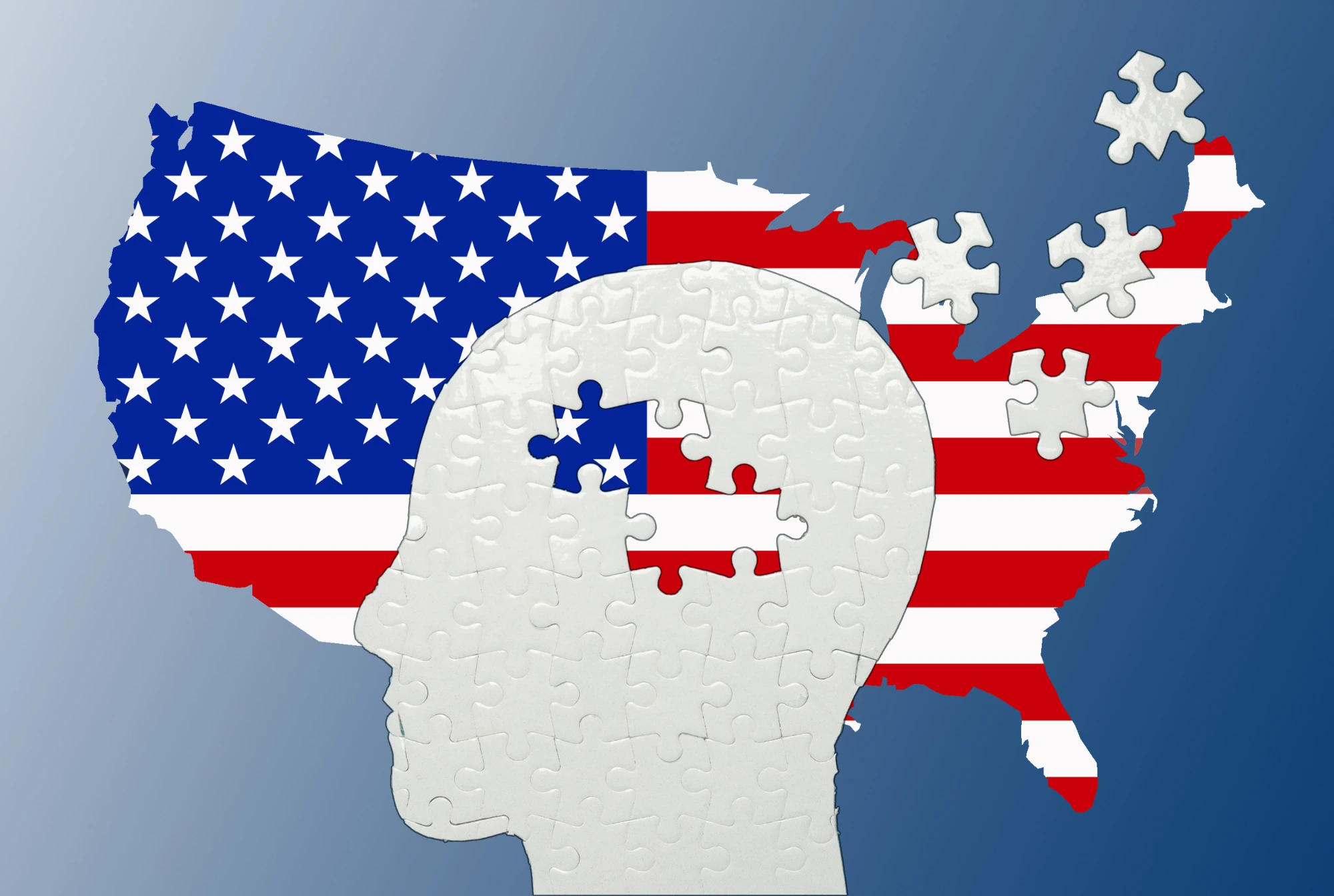
Can Hearing Loss Lead to Dementia? Here’s What Experts Say
As a pharmacist, I’ve seen how untreated conditions evolve into complicated health issues with time. My maternal grandfather has been experiencing hearing loss for several years. Initially, it wasn’t a major concern; he merely asked us to repeat ourselves. But with time, his condition worsened. Conversations became difficult for him, which significantly impacted his social life.
Studies suggest that hearing loss can lead to cognitive decline, increasing the risk of Alzheimer’s disease. This is concerning because, according to a survey, approximately 7 out of 10 adults aged 71 and older have experienced some hearing loss.
We normally think of it as a minor inconvenience and ignore the impact it could have on a person’s life if left untreated. But after reading this article, you’ll understand what experts say about how hearing loss can lead to cognitive decline and how we can slow its progress.
Understanding Hearing Loss
A person who can not hear and someone with hearing thresholds of 20 dB or better in both ears is considered to have hearing loss. Ranging from mild to severe, it can affect one or both ears, which may cause hearing difficulties.
Types of Hearing Loss
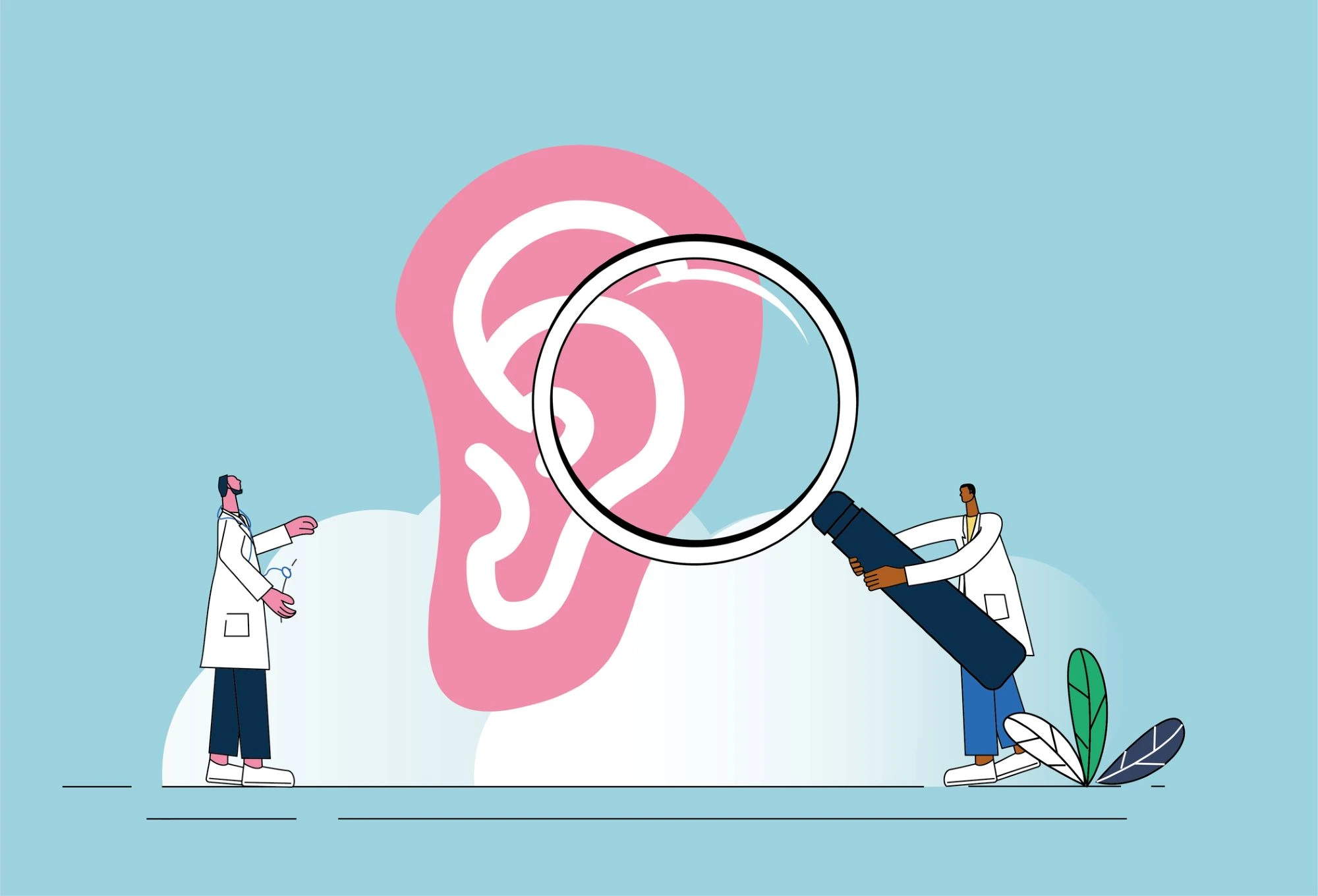
Sensorineural Hearing Loss
Sensorineural hearing loss occurs when there’s damage in your inner ear, such as to a nerve. Unfortunately, this type of hearing loss is irreversible. Some common causes of this type of hearing loss include:
- Aging
- Prolonged exposure to loud noises or explosions
- A blow to the head
- A problem in the way the inner ear is formed
- Hearing loss that runs in your family
- Illnesses
- Drugs that are toxic to hearing
Sudden Sensorineural Hearing Loss
Also known as sudden deafness, this is a type of hearing loss that occurs suddenly and without explanation. Typically, it occurs due to an issue with the sensory organs of the inner ear and usually only happens to one ear. According to experts, it affects between one and six people per 5,000 annually. Conditions associated with SSHL include:
- Head trauma
- Infections
- Autoimmune diseases
- Certain drugs, such as those used in treating cancer
- Blood circulation issues
- Neurological disorders like multiple sclerosis
- Ménière’s disease and other disorders of the inner ear
Conductive Hearing Loss
Our ears are made up of three parts: the outer, middle, and inner ears. Conductive hearing loss occurs when the sound waves can’t reach the inner ear due to blockages like earwax or a foreign object, fluid, infection, bone defect, or injury. Fortunately, with medicine or surgery, this type of issue can often be fixed.
Mixed Hearing Loss
In some cases, a person is affected with both sensorineural and conductive hearing loss, which is termed as mixed hearing loss. This occurs when there’s damage to the outer, middle, or inner ear or the nerve pathway to the brain.
Hearing Loss in Adults (Presbycusis)
After turning 50, some adults can experience slow hearing loss due to changes in the ear or auditory nerve. The medical term for age-related hearing loss is presbycusis. This type of hearing loss can make it difficult for a person to hear what others are saying. Some common causes of presbycusis include:
- Prolonged exposure to loud music or work-related noise
- Loss of hair cells, or sensory receptors, in the ear
- Aging
- Genetics
- Heart disease
- Diabetes
- Side effects of certain medications, such as aspirin
- Infections
- Smoking
Impact of Hearing Loss on Social Life
Hearing loss can significantly affect verbal communication and thus negatively affect social life by causing loneliness, isolation, dependence, and annoyance. But the ramifications of hearing loss are even more far-reaching than most people realize. A person may have fewer educational and professional opportunities due to impaired communication (according to Better Health Channel). “Hearing loss also contributes to social isolation,” says Frank Lin, M.D., Ph.D. “You may not want to be with people as much, and when you are you may not engage in conversation as much. These factors may contribute to dementia.”
What is Dementia?
Dementia is an umbrella term used for diseases that adversely affect memory, thinking, and the ability to perform daily activities. Currently, more than 55 million people have dementia around the world. And about 10 million new cases are reported each year. While there are many types of dementia, the four most common types include:
- Alzheimer’s disease: A disease that damages a person’s brain, impacting their memory and thinking. affecting memory and thinking.
- Vascular dementia: The second most common type of dementia, this results when the blood supply cannot reach certain parts of the brain. It causes issues with planning, organization, and concentration.
- Lewy body dementia: This type of dementia is caused by little clumps of protein lodging themselves in the nerve cells of the brain. It tends to occur a little less commonly, with 1 in 10 people with dementia having this kind.
- Frontotemporal dementia: Also known as “Pick’s disease”, frontotemporal dementia is most commonly diagnosed in individuals under the age of 65. This is the type of dementia that Die Hard star Bruce Willis and former TV host Wendy Williams have.
Signs and symptoms
Most of the time, mood and behavioral changes occur before memory decline. Symptoms worsen over time. Early signs and symptoms are:
- Failure to remember things or recent events
- Getting lost while walking
- Confusion
- Inability to track time
- Impaired decision-making and problem-solving
- Inability to conversate properly
- Inability to perform daily tasks
Mood and behavioral changes include:
- Anxiety and frustration about memory loss: Anxiety and fear can increase, leading to worry, distress, or difficulty coping with everyday situations.
- Personality changes: A person may display increased irritability, depression, anxiety, and even aggression. Additionally, they may withdraw from activities they once enjoyed or become less communicative.
- Inappropriate behavior: Unfortunately, dementia may lead to inappropriate sexual behavior, such as making suggestive comments or jokes. It can also lead to socially inappropriate behavior, like undressing in public.
- Emotional unavailability: People with dementia may experience difficulty controlling their emotions and expressing themselves, leading to overreactions, rapid mood changes, or appearing unusually distant or disinterested.
Factors That Link Hearing Loss to Dementia

According to statistics, hearing loss is an independent risk factor for dementia, in approximately leads to 9% of these cases.
Factor 1: Common Pathology
One of the factors is that the same health issue affects both the inner ear (which leads to hearing loss) and the brain (which leads to dementia).
Factor 2: Reduced Brain Stimulation
Hearing loss reduces brain activity, which over time negatively affects the brain. Additionally, hearing loss affects social interactions and contributes to brain structural changes, leading to cognitive decline and, ultimately, dementia.
Factor 3: Cognitive Overload (Dual-Task Paradigm)
This is based on the dual-task paradigm, which is a behavioral procedure in which individuals are required to perform two different tasks simultaneously. A person with hearing loss has to use more brain power to understand conversations, causing overstimulation and giving the brain less energy for memory and reasoning.
Factor 4: Brain Structure Changes
Hearing loss changes brain activity in the areas where it processes sounds. This, in turn, causes structural changes in the brain. As such, these changes exacerbate pre-existing Alzheimer’s disease.
Signs That Hearing Loss May Be Affecting Cognitive Function
As you’ve read, untreated hearing loss can negatively impact cognitive function. But what are some signs that your hearing loss has started to affect your brain health? What symptoms should serve as a warning sign about your cognitive functionality? While there is a wide range of symptoms associated with hearing loss and cognitive decline, here are a few that you should look out for:
- Difficulty following or remembering conversations
- Challenges with attention or concentration
- Asking others to repeat themselves more often
- Increased confusion
- Withdrawal from social life
- Forgetfulness
- Inability to find the right words
- Reduced problem-solving abilities
How to Reduce the Risk of Dementia if You Have Hearing Loss
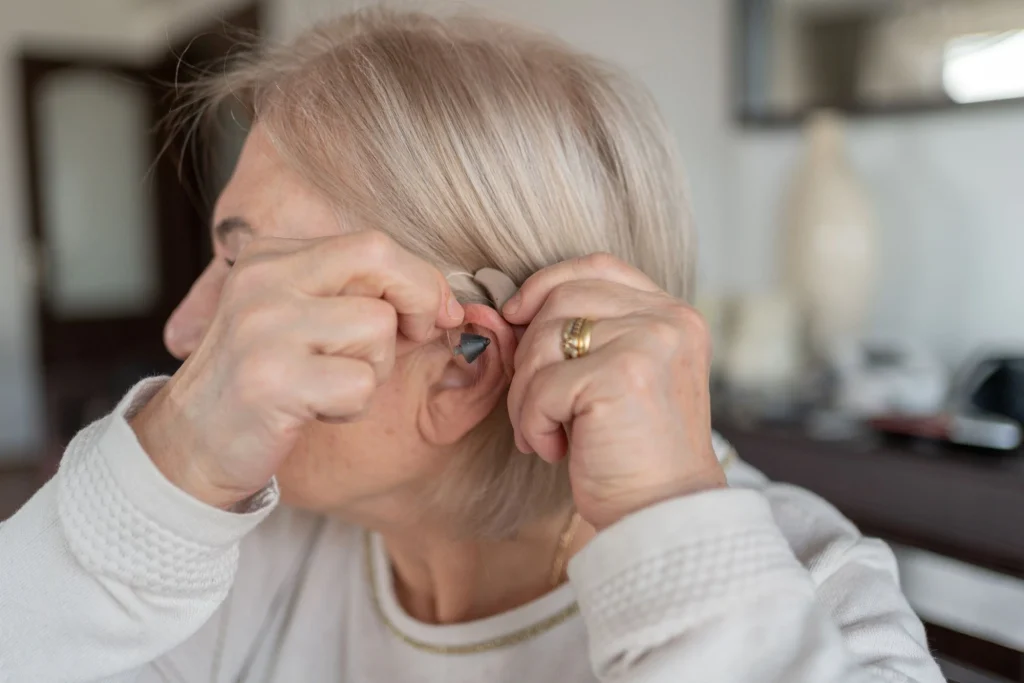
If you have hearing loss and are afraid dementia is an inevitability, don’t fret! There are a few things you can do to keep your brain healthy and ward off memory disorders. First, early detection is key. If you begin to notice that you have hearing loss, visit an audiologist sooner rather than later. Consider getting hearing aids, which can slow cognitive decline in individuals at risk of developing dementia. Remember to maintain a healthy social life and spend time with your friends and loved ones! Additionally, playing brain games—such as puzzles and strategy games—can keep your brain healthy! And speaking of being healthy, make sure to eat a nutritious diet, exercise regularly, and manage your blood pressure. Finally, remember to get your hearing checked. As with any health condition, prevention is key!
Conclusion
Hearing loss is often dismissed as a minor inconvenience, but studies suggest otherwise and warn us of its long-term impacts on human health. Social isolation, brain structural changes, and cognitive overload are the key factors in this connection between hearing loss and dementia. Hearing loss is common; however, timely treatment could prevent or slow down the progression of not only hearing loss but also dementia.
Medical consultation, hearing aids, and a better social life can mitigate the risk of cognitive decline in people with hearing loss. Being a healthcare professional, I strongly recommend proactive ear health management to prevent dementia and improve your quality of life.
It’s essential to raise awareness and encourage timely intervention—not only to improve the lives of people with hearing loss but also to prevent cases of dementia for individuals, their families, and healthcare facilities worldwide.
Image Credit: MICROGEN IMAGES/SCIENCE PHOTO LIBRARY @ Getty Images | guoya @ Getty Images | Shutterstock | Getty Images

Popular Articles About Hearing, and Alzheimer's and Dementia
Originally published March 11, 2025
Author(s):