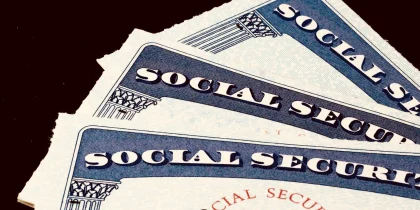
Can You Lose Your Social Security Benefits?

Millions of Americans depend on Social Security benefits. While all qualifying Americans are entitled to these benefits, there are a few rare situations where you might actually lose them. Fortunately, these cases don’t happen often. Unfortunately, they can catch you off guard and leave you rushing to try and fix the situation. It can be a headache! There are ways you might risk losing your Social Security benefits and things you need to keep an eye on. Whether you’re preparing for retirement or already receiving your SS check, being informed can help you continue to receive benefits that will support you and your family. Here’s everything you need to know!
What Types of Benefits Does Social Security Provide?

If you’re already familiar with Social Security, you know there are several benefits. The benefits that work best for you will depend on your circumstances. Here’s a brief overview of the types of Social Security benefits.
Retirement
For those who reach their “full retirement age” and have sufficient work credits, these monthly payments are based on your lifetime earnings. Eligible adults must:
- Be aged 62 or older
- Have worked and paid Social Security taxes for 10 years or more.
Disability
These monthly payments are for individuals who are unable to work due to a qualifying disability and have accumulated necessary work credits. Some disabilities that may qualify an applicant for Social Security disability benefits include:
- Blindness
- Deafness
- Untreatable vertigo
- Severe asthma
- Chronic heart failure
- Cystic fibrosis
- Liver and other organ disorders involving digestion
- Thyroid disorders
- Multiple sclerosis
- Lupus
- HIV/AIDS
Survivor
For surviving family members of someone eligible for Social Security, these monthly payments can go to:
- Spouses
- Ex-spouses
- Children
- Dependent parents
Family
Like Survivor benefits, these monthly payments go to certain family members of someone entitled to Retirement or Disability, including:
- Spouses
- Ex-spouses
- Children
- Some grandchildren
Supplemental Security Income (SSI)
These monthly payments are reserved for individuals who;
- Have little to no income
- Little to no resources
- A qualifying disability
- Are aged 65 or older
Medicare
Medicare is federal health insurance for people who:
- Are aged 65 or older
- Have end-stage renal disease
- Are already on Disability benefits
Can You Lose Your Social Security Benefits?

Unfortunately, it happens. While Social Security benefits are intended to be stable, certain circumstances can lead to reductions or even loss. But what circumstances trigger a loss of Social Security benefits? We’re glad you asked! Below are a few scenarios that can cause you to lose your Social Security benefits.
1. Making too much money.
That’s right—the old adage “Too much of a good thing is a bad thing” rings true in the case of Social Security. Specifically, individuals under Full Retirement Age (FRA) who earn above specific thresholds may experience a reduction in benefits. Excess earnings can sometimes lead to a reduction in current-year benefits but may also result in increased benefits in future years.
The Social Security Administration states the following on its website:
“If you are under full retirement age for the entire year, we deduct $1 from your benefit payments for every $2 you earn above the annual limit. For 2024, that limit is $22,320.“
2. Your disability status changes.
Disability benefits are contingent upon the recipient’s medical condition. If a medical improvement occurs, benefits may be reevaluated. Regular reviews ensure that only those who continue to meet the disability criteria receive ongoing support.
3. You’re incarcerated.
Incarceration can result in a suspension of benefits, and fraudulent claims may lead to severe penalties, including benefit loss and potential legal action. To get even more specific, being sentenced to a prison or jail term for more than 30 consecutive days will lead to the suspension of Social Security benefits. However, benefits can be reinstated the month after you’re released.
4. Your immigration status changes.
Changes in citizenship or residency status can influence Social Security benefits. Non-citizens may be eligible for benefits under specific conditions, but these rules can be complex and vary. Consulting with a Social Security representative or immigration attorney is recommended for personalized guidance.
Can I Appeal a Decision the SSA Has Made?

In short: Yes! If you believe a decision to reduce or terminate your benefits is incorrect, you have the right to appeal. The appeals process involves several steps, including:
- Reconsideration: To start the process, simply submit your request! You can complete it online, through mail, or even fax it!
- Hearing with a judge: If the Social Security Administration denies your request for consideration, you can request a hearing with an administrative law judge.
- Review of hearing decision: If the hearing doesn’t go in your favor, you’re not out of luck! Simply request a review with the Appeals Council.
- File a further appeal with the federal court: Finally, you have one last option if all else fails! Specifically, you can file a federal district court action with the U.S. District Court. You may choose to represent yourself or hire an attorney or other qualified representative to assist with the appeals process.
Preventive Measures

Now that we’ve gone over the ways you can lose your Social Security benefits, let’s review how to protect them! Like anything else in life, there are preventative measures you can take to make sure your Social Security benefits aren’t terminated. Here are just a few:
- Track Income: Carefully monitor your income to make sure it remains within allowable limits.
- Report Changes: Promptly notify the Social Security Administration of any changes in your health, work status, or personal circumstances.
- Stay Informed: Regularly review eligibility criteria and stay updated on changes in Social Security regulations. For example, there are special rules that apply to you if you decide to go back to work while you’re on Social Security. The SSA refers to these as “work incentives.” For more information about these incentives, they recommend that you read The Red Book and Working While Disabled: How We Can Help.
- Plan for Retirement: Consider all factors, including Social Security benefits, other retirement savings, and potential changes in income and expenses, when planning for retirement.
Additional Resources
For more information and assistance, visit the Social Security Administration’s official website or contact their helpline at 1-800-772-1213. These resources provide up-to-date information, guidance on eligibility, and support throughout the appeals process!

Popular Articles About Social Security
Originally published November 08, 2024
Author(s):