Comprehensive Guide to Processed Food Labels: What to Look For and Why

Ultra-processed foods seem to be the new thing to avoid, but in reality, the label may not correctly classify some foods.
This system of categorizing food as unprocessed, processed culinary ingredients, processed foods, and ultra-processed foods came from a group of Brazilian researchers. They designed a system to categorize foods according to the degree of processing they undergo.
The problem is, processing seems to be a bad thing, right?
Not really.
Even oil, butter, vinegar, sugar, and salt have to be processed, so they’re labeled “processed culinary ingredients.” Those categorized as processed foods include:
- Cheese
- Fresh breads
- Canned or frozen vegetables and fruits
- Canned fish
- Smoked or cured meats
- Bacon
- Salted nuts
- Beer and wine
Many would argue that some of those foods (especially beer, wine, bread, and cheese) aren’t really all that bad. Many times, processing is used mainly for preservation.
Then we have the ultra-processed category.

This group includes:
- Soft drinks
- Packaged snacks
- Frozen or packaged foods
- Plant-based meat, dairy, and protein powders. (Yep, almond milk and Impossible burgers fall into this category).
The researchers found that a group of 20 adults consumed more calories from a diet high in ultra-processed foods versus unprocessed foods when allowed to eat as much as they wanted. (My thought is that 20 adults are hardly enough to call it a study.)
It’s thought that somehow, ultra-processed foods don’t fit into “clean” eating, but in reality, it may be a flawed perception—and one that isn’t practical. There are many days I can’t make every meal from scratch and rely on processed foods, such as cereal for breakfast, instant brown rice with a stir-fry, or frozen roasted vegetables as a side dish. A scoop of protein powder added to a smoothie can be healthy for an older adult needing to increase their protein.
The bottom line is that we need a better system to classify food rather than how processed it is—or isn’t. It’s the nutritional value of a food—and how it’s included in a meal pattern—that matters.
Q: Can more sleep help you lose weight?

A: Researchers looked at people who slept fewer than 6 1/2 hours per night and found that when they slept an hour longer, they consumed 270 fewer calories per day. That’s the equivalent of 9 pounds per year. Not getting enough sleep increases levels of ghrelin, a hormone that regulates hunger. If you’re prone to waking up in the middle of the night and raiding the refrigerator, make sure you keep healthy snacks on hand.
RECIPE
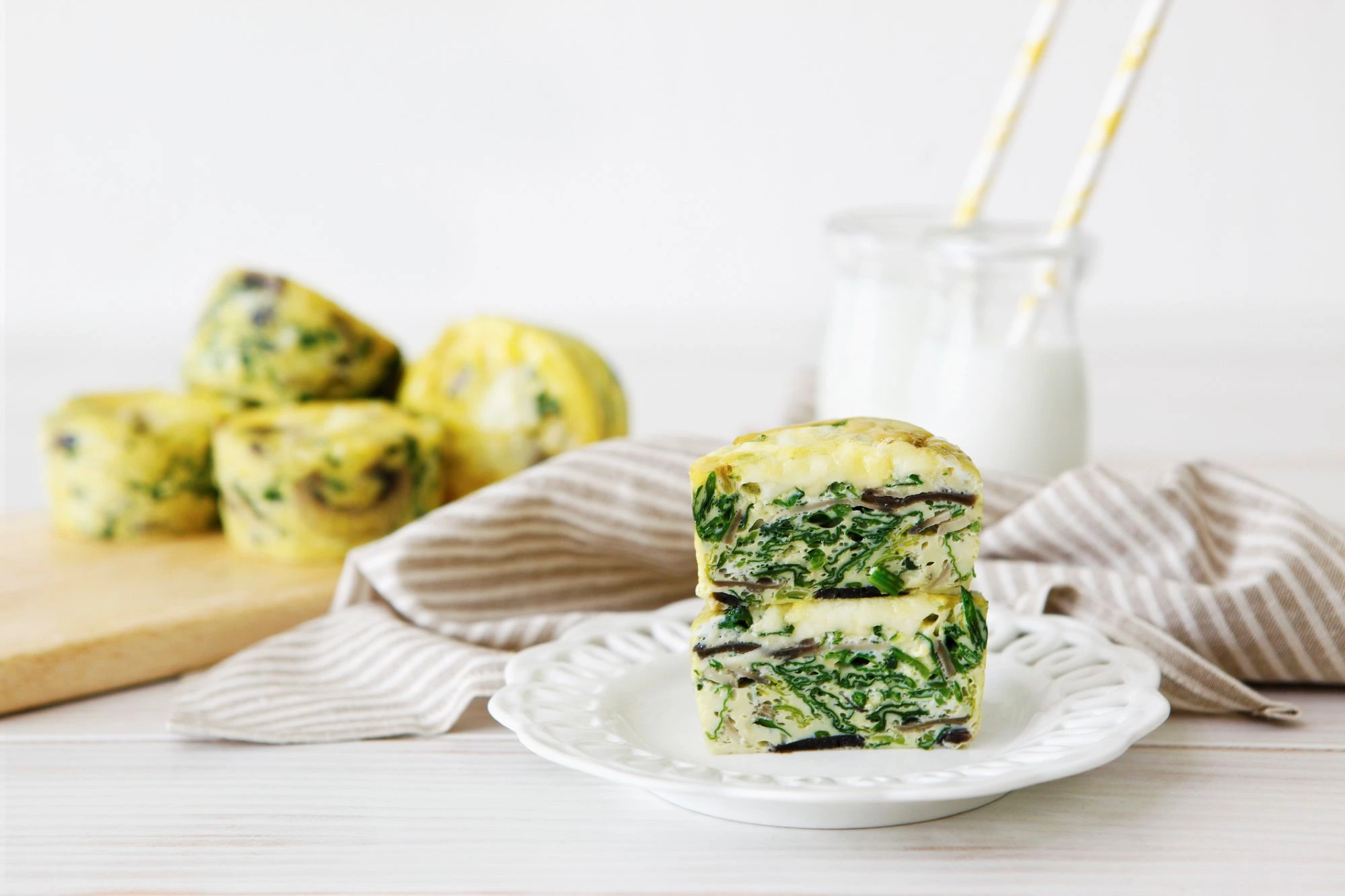
Have you tried an egg bite? Similar to a crustless quiche, they can be made in a deep muffin tin or a small glass canning jar for a quick, healthy breakfast. They’re high in protein to help you stay full until lunch, are customizable, and you can make them ahead and freeze and reheat them later. Here’s a recipe from Better Homes & Gardens magazine that’s become one of my favorites.
BACON-SPINACH EGG BITES
Servings: 6
INGREDIENTS
- 8 eggs
- 1 tablespoon water
- 4 slices bacon, crisp-cooked and crumbled
- 1/2 cup torn, fresh spinach or cooked broccoli
- 1/2 cup roasted red bell peppers, chopped
- 1/2 cup shredded white cheddar, Gouda, or Gruyere cheese
- Chopped fresh chives
- Hot sauce, optional
INSTRUCTIONS
- Preheat oven to 325 F.
- Coat six half-pint jars or a deep muffin tin with nonstick cooking spray.
- If using jars, place them in a 13-by-9-inch baking pan.
- In a large bowl, whisk together eggs, water, bacon, spinach, peppers, cheese, 1/2 teaspoon salt, and 1/8 teaspoon ground black pepper.
- Spoon evenly into prepared jars or a muffin tin.
- Place the pan with jars or muffin tin on oven rack.
- If using jars, add hot water to pan to reach halfway up sides of jars.
- Bake 30 to 35 minutes or until eggs are set.
- Carefully remove jars from pan or muffin tin from oven.
- Let cool slightly.
- Serve with optional toppings or cool completely and store, covered, in the refrigerator for up to 3 days.
- If freezing, wrap well.
- To reheat, microwave for 1 minute.
- Let stand 1 minute before eating.
- Makes 6!
Per egg bite: 164 calories; 13 grams protein; 2 grams carbohydrate; 12 grams fat (5 grams saturated); 262 milligrams cholesterol; 489 milligrams sodium.
COPYRIGHT 2024 CREATORS.COM, CHARLYN FARGO, NUTRITION NEWS
Image Credit: mustafahacalaki @ Getty Images | Unsplash | Getty Images

Popular Articles About Nutrition
Originally published March 11, 2025
Author(s):