Former First Lady and Mental Health Advocate Rosalynn Carter Passes Away at Age 96
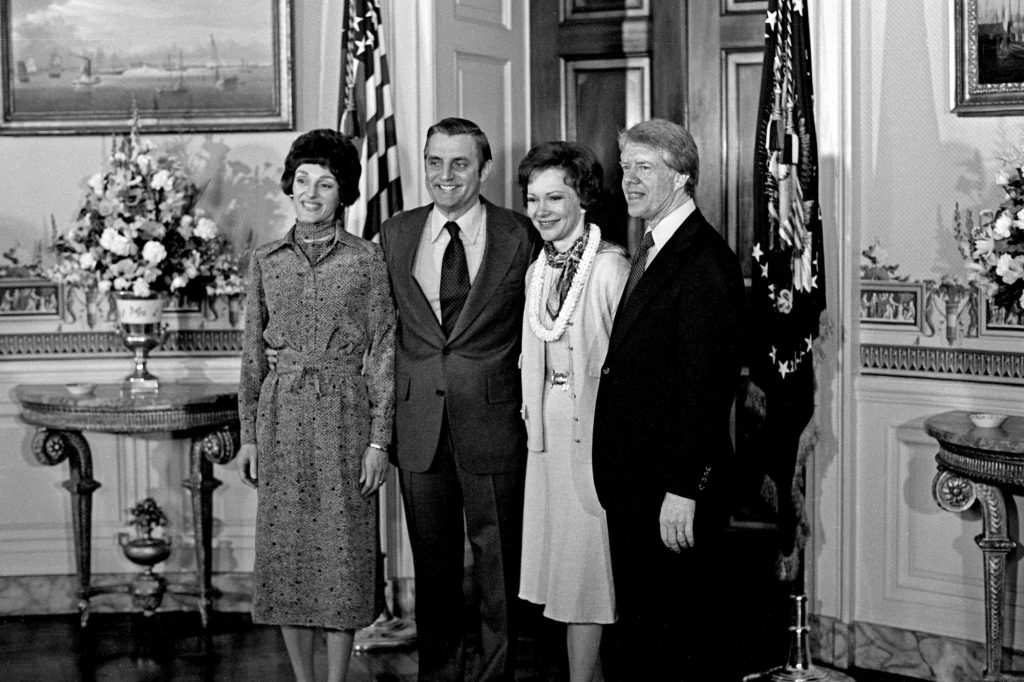
Rosalynn Carter, former First Lady and mental health advocate, has passed away at age 96, according to NBC News. The news comes after it was announced that Rosalynn entered hospice care alongside her husband on Friday.
“Rosalynn was my equal partner in everything I ever accomplished,” Former President Carter stated, according to The Carter Center. “She gave me wise guidance and encouragement when I needed it. As long as Rosalynn was in the world, I always knew somebody loved and supported me.”
Born on August 18, 1927, in Plains, Georgia, Rosalynn Carter is remembered as one of the most active and influential First Ladies in American history. She used her platform to champion important causes, including mental health, caregiving, and human rights.
One of Carter’s most significant contributions to mental health was her work to destigmatize mental health issues. “My main project would be to develop a strategy for further helping the mentally ill,” Mrs. Carter once stated. “Jimmy signed an executive order creating the President’s Commission on Mental Health, and I became the honorary chairperson.”During her childhood, Mrs. Carter had a distant cousin named Tommy with a mental illness. He was in and out of mental institutions throughout his entire life. When he was home, Rosalynn recalls that she often ran and hid, spooked by his nervousness and loud singing.
“Tommy’s condition and the way he was treated made a deep impression on me as a child. Later, after we were married, Jimmy and I visited him at the state hospital several times,” she wrote in her memoir. She continued her advocacy throughout her husband’s presidency and even assisted her husband in creating a Presidential Commission on Mental Health. This addressed the fractured mental health care system and called for much-needed reform.
Sadly, after nearly a lifetime of advocating for human rights and caregiving, Rosalynn would soon need a caregiver herself. The former First Lady was diagnosed with dementia back in May. “She continues to live happily at home with her husband, enjoying spring in Plains and visits with loved ones,” the Carter Center said in a statement.
While the news of her passing saddened many, Mrs. Carter leaves behind an amazing legacy. Her tireless efforts to lend a voice to the voiceless will surely never be forgotten. While tributes have poured in for the former First Lady, the Secret Service perhaps said it best: “Your compassion, diplomacy, and penchant to make society better for those less fortunate was an inspiration for an entire generation. It has been our honor to protect and serve you for all of these years. You were truly a treasure for our nation and our Secret Service family.”
What is Hospice?
Hospice care is support for those who are nearing the end of life. When someone’s life expectancy is 6 months or less, hospice will provide treatment that is focused on comfort and symptom management. Care is provided with a goal of quality over quantity.
What Type of Care Does Hospice Include?
Hospice care can include but is not limited to:
- Medication for symptom control and/or pain relief
- Medical equipment such as oxygen, catheters, hospital beds, wheelchairs, or other mobility aids
- Access to an emergency physician or nurse 24 hours a day
- Medical supplies for at-home care
- Personal care assistance
- Grief counseling and emotional support
- Respite care
Where Does Hospice Care Take Place?
Hospice is not necessarily a place (although hospice care facilities do exist). It can be provided wherever a person lives. This includes their family home, nursing home, assisted living facility, or even a hospital under certain circumstances.
How is Hospice Paid for?
Hospice can be paid for through Medicaid, private insurance, and out-of-pocket. If a person is 65 and receives Medicare, hospice care is 100% covered (as long as the hospice provider is Medicare-approved). This means Medicare will pay for all medical and nursing services, pain management medication, medical equipment, grief counseling, and any other services necessary.
Important: Medicare does not cover treatments intended as a cure, prescription drugs intended to cure, or room and board if the person receiving care lives in a nursing or assisted living facility.
Where Can I Find More Information on Hospice?
For more facts about hospice, start here:
Hospice Care: Frequently Asked Questions
5 Common Services Hospice Provides
8 Myths About Hospice Care BUSTED

Popular Articles About Headlines
Originally published November 20, 2023
Author(s):