Fueling Fall Sports
School has started, and that means fall sports are underway—soccer, football, and basketball. Fueling a teen’s body for those sports is extra important considering the prevalence of COVID-19 and other viruses. It all boils down to meals full of plenty of nutrients.
Here are some tips to help you make it happen!
No. 1: Cut back on added sugars and choose calories that provide good fuel over empty calories.
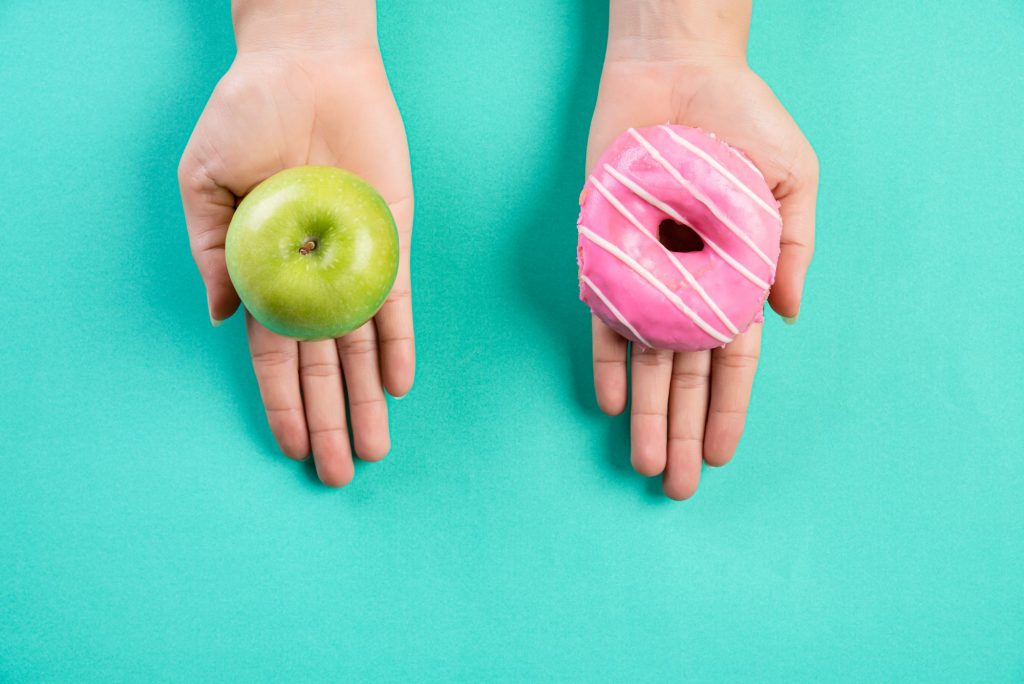
It’s like gas in your car—the better the fuel, the better it will run. Young athletes are still growing, so calorie needs vary depending on age, sex, type, and amount of activity. How much a teen eats needs to match their activity level and simultaneously support growth and development. On average, active teenage boys need 2,600 to 3,200 calories a day, according to the Dietary Guidelines for Americans. Like any other healthy diet, calories should come from fruits, vegetables, whole-grain bread and cereals, low-fat dairy, lean protein foods, and heart-healthy fats.
No. 2: Breakfast is important to help athletes get all the calories they need, according to the Academy of Nutrition and Dietetics.

Choose whole-grain cereals with low-fat milk and fruit, whole-grain waffles with peanut butter, or Greek yogurt with fruit.
No. 3: If your teen prefers to pack a lunch for school, try bean and beef burritos topped with salsa.

Alternatively, you can try grilled chicken sandwiches with coleslaw; Mediterranean veggie wraps spread with hummus and filled with veggies, feta, or other cheese, chicken or turkey, and a light vinaigrette. Try to combine protein with vegetables with whole grains.
No. 4: For dinner, don’t be afraid of carbs.
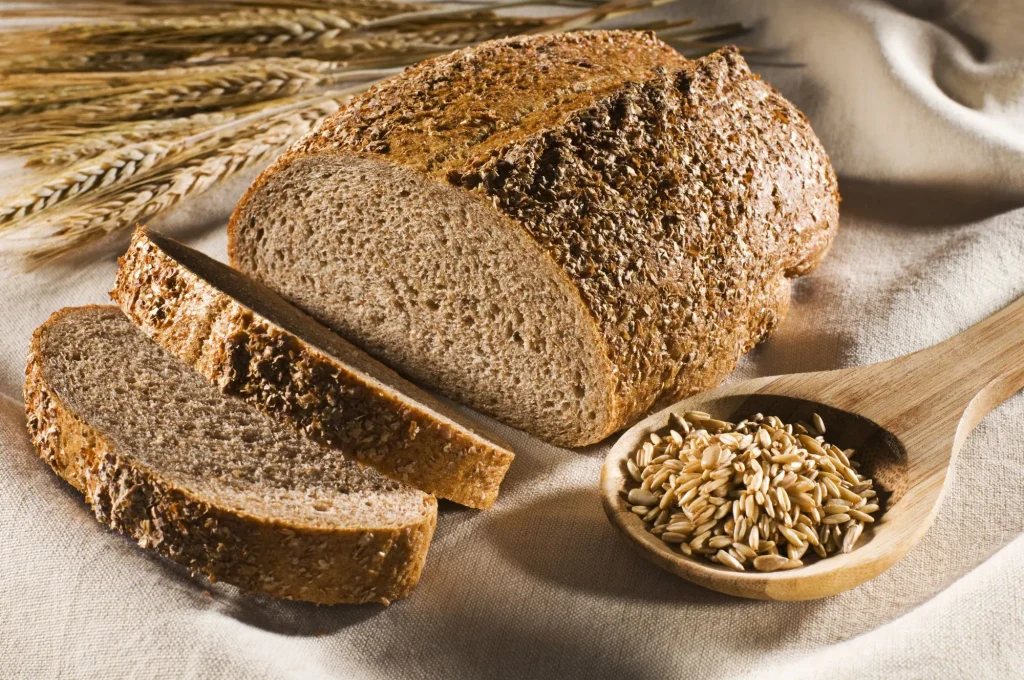
Carbohydrates are the most important fuel for an athlete. Carbs are stored as fuel inside muscles — the only fuel the body can use for power moves. For dinner, think whole-wheat spaghetti with a meat sauce, salad, whole-grain Italian bread, and plenty of milk to drink. It’s a great recovery meal after a hard practice or a great before-game meal to load some carbohydrates.
No. 5: For snacks, think a hard-boiled egg, fresh fruit, veggies with hummus, string cheese, and whole-grain crackers, Greek yogurt, or seasoned air-popped popcorn and almonds.
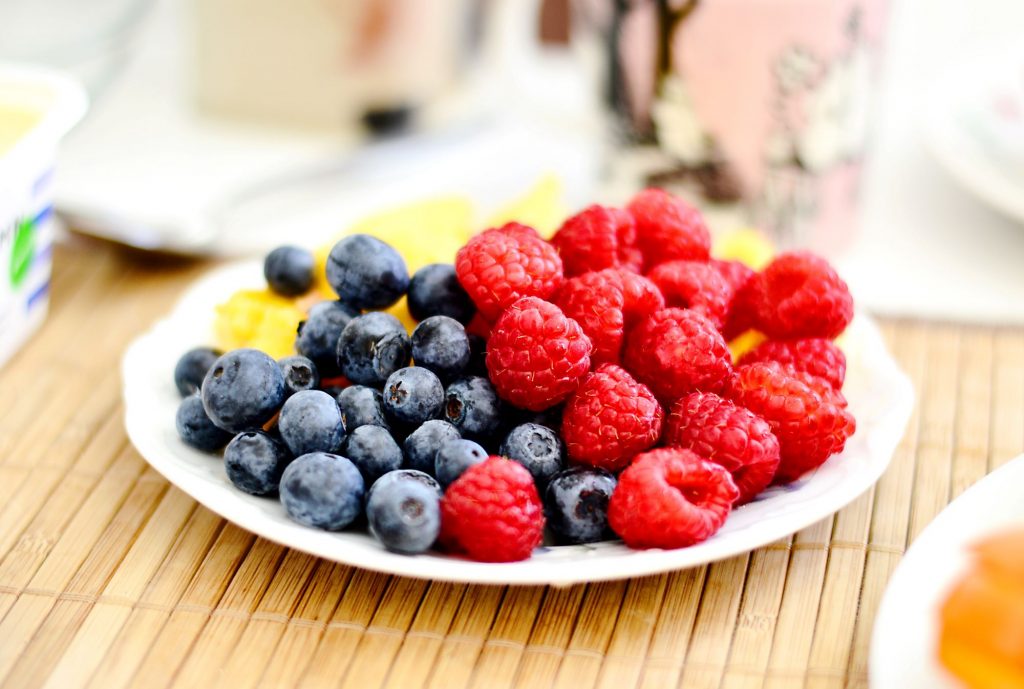
Have your athlete drink plenty of water and eat a light snack before practice, such as half a turkey sandwich or an orange and a handful of nuts. After practice or a game, refuel with chocolate milk, a low-sugar sports drink, a banana, Greek yogurt, or a handful of trail mix.
Q and A

Q: I know that greens are supposed to be good for me, but I don’t know which ones I should eat. Where should I start?
A: Greens are otherwise known as leafy vegetables. And while “greens” is the generic heading, there are different types of these healthy vegetables, each with its own flavor. Collards are some of the most popular, perhaps because of their dense flavor and the fact that they get better and sweeter after the first frost hits them. Mustard greens are a bit tangier and have an almost mustard-like zing to them. It’s also fun to mix greens—collard, mustard and even turnip tops. Kale is also a green. Try greens in a salad or cooked. Both ways are full of flavor and rich in nutrients.
Recipe
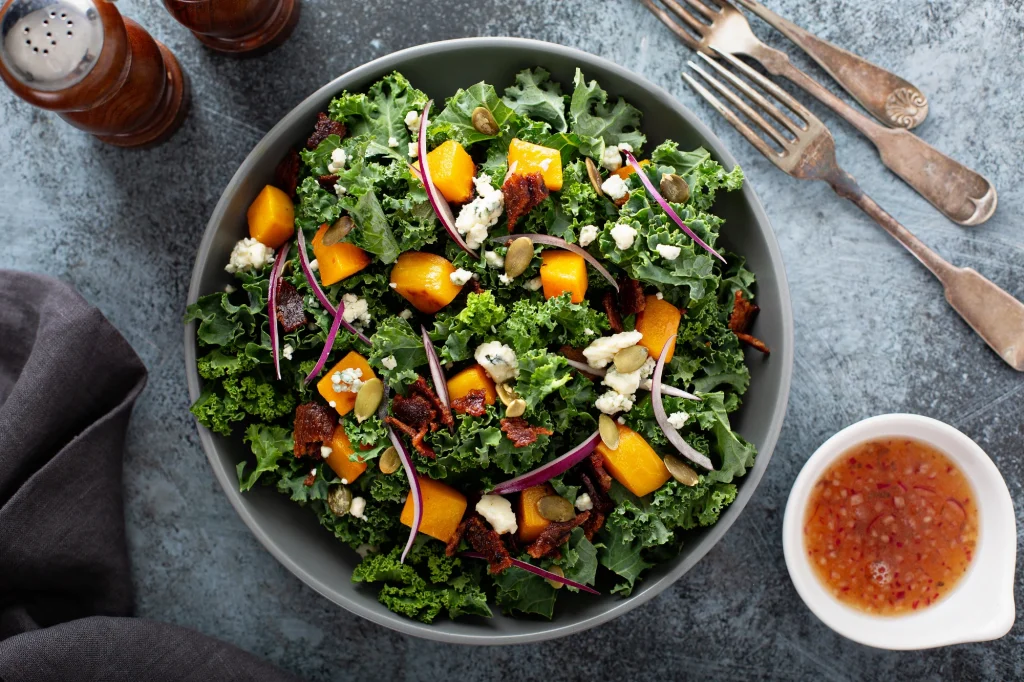
With Labor Day behind us, we know fall is just around the corner. Here’s a recipe that celebrates the best of the fall apple and squash season—and is full of other healthy ingredients, as well. It’s from the California Strawberry Commission.
STRAWBERRY FALL HARVEST SALAD
Ingredients:
- 1 1/2 cups butternut squash
- 1 tablespoon olive oil
- Salt and pepper to taste
- 8 cups baby kale
- 2 cups cooked farro
- 1 cup strawberries, sliced
- 1 apple, sliced or chopped
- 1/4 cup pumpkin seeds
- 1/2 cup feta cheese
VINAIGRETTE:
- 1 teaspoon Dijon mustard
- 3 tablespoons olive oil
- 2 tablespoons apple cider vinegar
- 1 teaspoon honey
Instructions:
- Preheat the oven to 375 F.
- Peel the butternut squash, seed it, and cut into cubes.
- Toss in a bowl with olive oil, salt and pepper.
- Spread cubes on a baking sheet and bake for 25 to 30 minutes.
- Remove from oven; let cool.
- Toss all salad ingredients (except the squash) together in a large bowl.
- In a small mixing bowl, whisk together the dressing ingredients.
- Add the butternut squash to the salad and drizzle the dressing on top.
- Toss, serve, and enjoy!
*Serves 4 (2 cups each).
Per serving: 465 calories; 53 grams carbohydrates; 16 grams protein; 24 grams fat (6 grams saturated); 17 milligrams cholesterol; 7 grams fiber; 12 grams sugar; 399 milligrams sodium.
COPYRIGHT 2024 CREATORS.COM, CHARLYN FARGO, NUTRITION NEWS

Popular Articles About Nutrition
Originally published September 16, 2024
Author(s):