How To Have a Great Smile

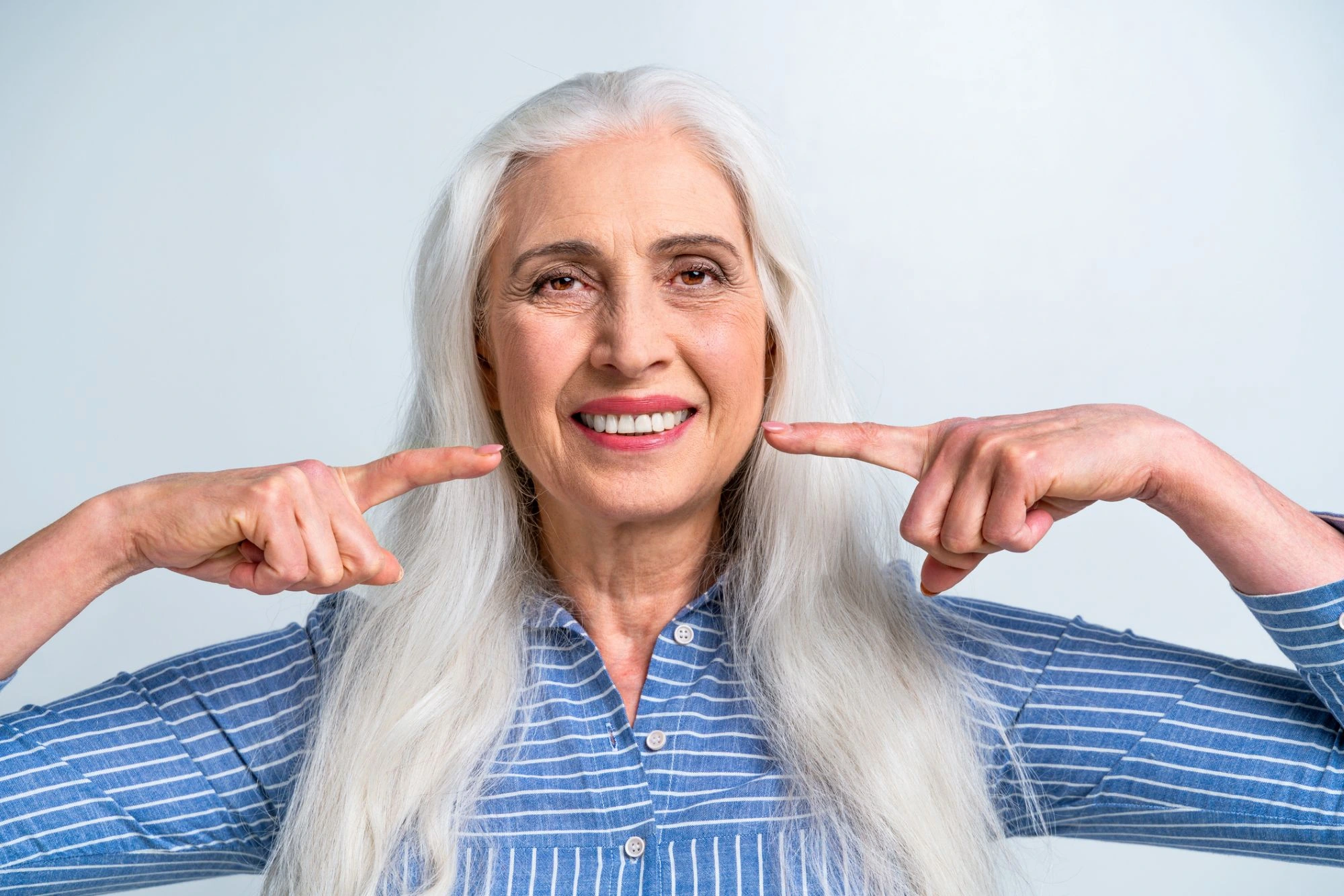
When I share my thoughts on growing older gracefully with my readers, everyone needs to know that, as in so many areas of life, I bring more enthusiasm to my activities than expertise. Fortunately, curiosity and enthusiasm often compensate for brilliance or a list of college degrees. I’m going to go on the record to state that in my opinion, when it comes to walking through life, a great smile is your best companion. Not only does it automatically put other people at ease but it has also been shown to stimulate our feel-good chemicals.
Unfortunately, it’s easy to forget about the importance of good dental care, habits, and hygiene as we age. Many senior citizens feel that it’s no longer necessary to visit their dentist every six months, perhaps because the accumulation of cavities tends to decline with each decade. But I strongly remind readers that taking care of our gums and teeth is every bit as important for mature adults as it is for children.
Why Your Oral Hygiene Is Important
Our oral health affects how well we eat, smile and speak. If our gums succumb to periodontal disease or gum disease, that situation can worsen a variety of chronic health conditions, including arthritis, diabetes, and even heart disease. Additionally, dental check-ups are the easiest way to detect mouth cancers, which may account for only 2 percent of overall cancers today, but the rate of increase appears to be steadily growing. The risk of oral cancer increases an alarming 15 times for people who are smokers and simultaneously heavy drinkers.
The complications from dry mouth are another important dental consideration for older adults. Baby boomers are taking more prescription medications than ever before, and this can cause dental hygiene complications. Essentially, both prescription and over-the-counter medications tend to dry out the mouth, particularly the ones used to treat allergies, Alzheimer’s disease, asthma, anxiety, depression, high blood pressure, high cholesterol, pain, and Parkinson’s disease.
Why Dry Mouth is a Problem
The problem with this situation is that our teeth depend on the natural antibacterial and acid-neutralizing components found in saliva, so long-term mouth dryness can contribute to the weakening (or demineralization) of our teeth. Regular visits to the dentist can ensure that our tooth enamel has not been compromised.
By the time we are old enough to enlist in Medicare, it’s a pretty safe bet that we’ve already had some significant dental work—bridges, crowns, fillings, or implants. If decay develops underneath previous dental work, a solution can be both costly and time-consuming. Some dentists approach this issue proactively by working to strengthen teeth—often using topical fluoride—before they develop cavities or become compromised.
Early generations considered it a given that our teeth would simply fall out when we reached old age. But if properly taken care of, they should last as long as we do. It’s a good idea for patients to visit their dentist before beginning a course of osteoporosis medication to make sure no important procedures (like extractions) are on the horizon.
Why?
Because bone healing can be adversely affected by Bisphosphonates!
If you or an elderly loved one haven’t been to the dentist in a long time, bring a list of the medications and supplements you take to your dental appointment. Your dentist will evaluate the following during your visit:
- Tooth decay.
- Toothache.
- Broken teeth.
- Gum problems (gingivitis).
- Soft tissue problems.
- Denture-related problems.
- Medical history.

If your teeth are well-cared for, you’ll not only feel better and look nicer but also be far more likely to smile. And who doesn’t like to see a smiling senior citizen?
COPYRIGHT 2025 CREATORS.COM

Popular Articles About Dental Care
Originally published January 27, 2025
Author(s):