HUD Programs Senior Homeowners Should Know About
The United States Department of Housing and Urban Development (HUD) was established in 1965. It was created to assist families in obtaining affordable, safe housing. If that sounds like an awfully big job – well, it is. HUD oversees countless programs that continue to grow to serve its mission. Through these measures, HUD provides community development assistance. It also ensures fair and equal housing and works to strengthen communities (to name just a few).
Generally speaking, HUD does a lot for homeowners. It boasts fairness, quality, and equality – but, what exactly does all of that mean for seniors? Does the 55 + community benefit?
Absolutely! Let’s talk senior homeowners: Here are some HUD programs that seniors should know more about.
Home Equity Conversion Mortgage (HECM)
A home equity conversion mortgage (HECM) is a popular type of reverse mortgage, insured by the Federal Housing Administration. Like any reverse mortgage, HECMs are available to adults aged 62 and older. The loan is based on the appraised value of their home.
How HECMs Work
- Loan structure – HECMs are structured as reverse mortgages, meaning the lender pays the borrower, rather than the other way around.
- Payment factors – The amount of the monthly payments depends on several factors, including the borrower’s age, the interest rate, and the appraised value of the home.
- Loan terms – HECMs typically have a fixed interest rate and a repayment term that extends until the borrower reaches a certain age or dies.
Eligibility Requirements
- Borrowers must be at least 62 years old.
- The home must be the borrower’s primary residence.
- There are no income requirements.
- The home must meet minimum property value requirements set by the FHA.
Pros and Cons
- Pros
- Can provide a steady stream of income.
- Can help seniors cover expenses like medical bills, property taxes, and utilities.
- Can allow seniors to remain in their homes longer.
- Cons
- The interest on the loan is compounded, which can lead to a significant increase in the loan balance over time.
- If the borrower cannot repay the loan, they may lose their home.
Why Should You Know about HECMs?
Do you have a whole lot of unexpected care costs? Are you living on a fixed income? Well then, reverse mortgages can help! These types of loans are a great way to generate extra income for bills and other essentials. And, HECMs are federally backed loans – so, they’re able to offer lower interest rates than privately insured loans.
HUD & Manufactured Homes: OMHP

The Office of Manufactured Housing Programs (OMHP) is in charge of administering the National Manufactured Housing Construction and Safety Standards Act of 1974. Basically, OMHP enforces HUD’s construction standards for manufactured homes.
What Exactly Does OMHP Do?
- OMHP is involved in various aspects of manufactured housing, including inspection, certification, and enforcement of safety standards.
- It ensures that manufactured homes meet specific construction requirements related to structural integrity, fire safety, electrical systems, and other important factors.
Why Should You Know about OMHP?
If you’re a retiree and considering downsizing, a manufactured home can be a cost-effective option. OMHP makes sure your prefabricated home is safe, by partnering with state and local agencies for quality assurance.
The Housing Choice Voucher Program (Section 8)

The Housing Choice Voucher Program helps very low-income families and seniors afford rent. To qualify for assistance, the renter’s income must be at least 50% under the median income for the area.
Why Should You Know about the Housing Choice Voucher Program?
If you’re retired, you’re probably already living on a fixed income. And, if you’ve also run into some financial hardships, you might be wondering how you’ll ever afford your home. This is where the Housing Choice Voucher Program steps in. It offers subsidized rent to eligible applicants.
Additional Info
- This program provides vouchers to eligible families and seniors, which they can use to help pay the rent for a rental unit that meets certain requirements.
- In addition to income, other eligibility requirements may include US citizenship or legal immigration status, and being a family with children or a disabled individual.
- The application process for the Housing Choice Voucher Program varies by location. It typically involves completing an application, providing documentation, and participating in a lottery system.
Good Neighbor Next Door Sales Program
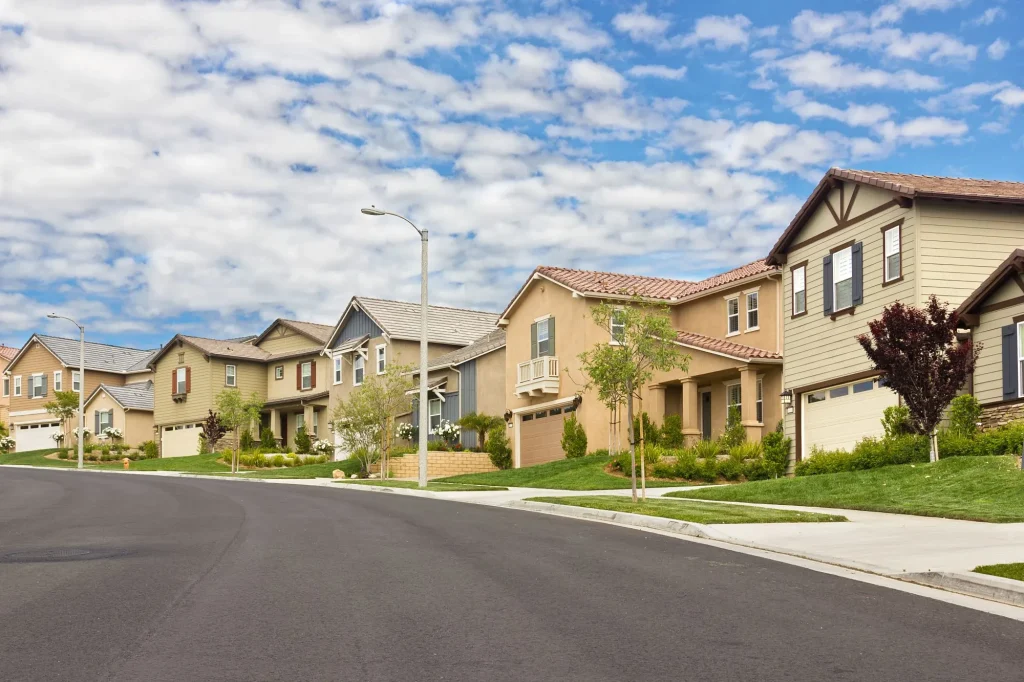
The Good Neighbor Next Door Sales Program is a little-known HUD program that offers a 50% discount on certain homes located in “revitalization areas.” This program is primarily intended for eligible buyers who work in public service professions, such as firefighters, teachers, and police officers.
Why Should You Know about the Good Neighbor Next Door Sales Program?
While the program is not specifically designed for seniors, it can indirectly benefit them in several ways:
- Increased home values – As revitalization efforts progress, property values in the neighborhood can increase. This can benefit seniors who own homes in the area, even if they are not eligible for the program themselves.
- Improved community – Revitalization efforts can lead to a more vibrant and desirable neighborhood. This can enhance the quality of life for those living there, as they may enjoy improved amenities, increased safety, and a stronger sense of community.
- Attracting younger residents – The program can help attract younger residents to the neighborhood, which can contribute to a more diverse and dynamic community. This can also benefit you by providing more opportunities to socialize and connect with others.

Popular Articles About Senior Housing, and Personal Finance
Originally published January 20, 2025
Author(s):