Jack Hanna Has “Advanced Alzheimer’s”: Famed Zookeeper Doesn’t Remember Most of His Family
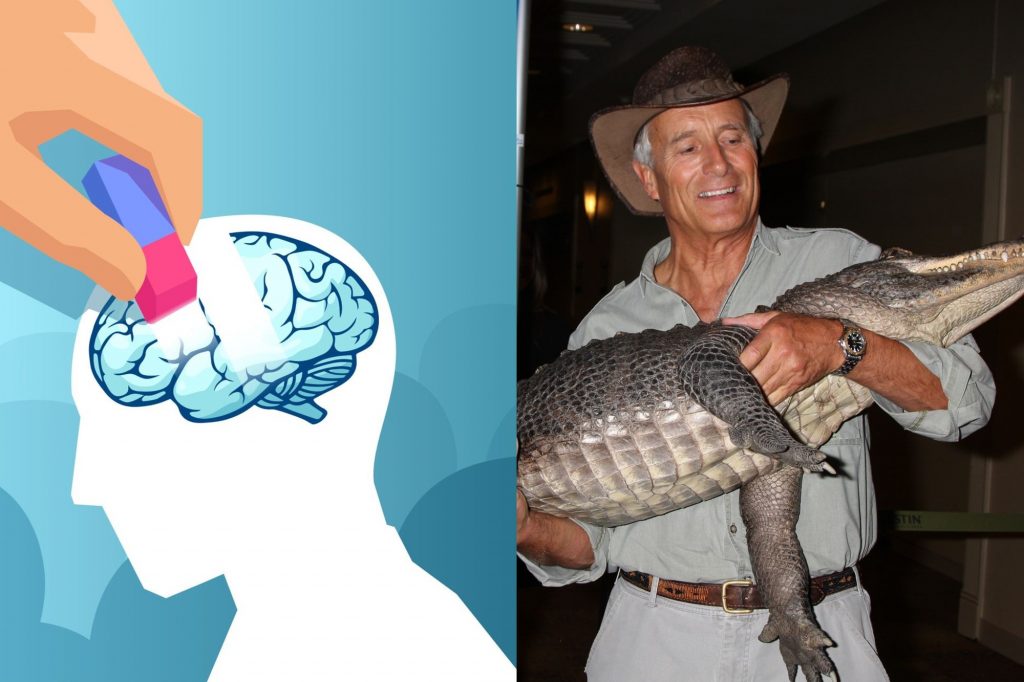
Charming zookeeper and TV personality Jack Hanna, 76, is making headlines again. Only this time, it’s not related to his animal friends or an appearance on Late Night with David Letterman. This time, his wife Suzi revealed that her husband is in an “advanced” stage of Alzheimer’s disease.
“The Jack people knew isn’t here anymore, but pieces of my husband are,” Suzi recently told The Columbus Dispatch. “And I’m going to hang onto them for as long as I can.”
These days, Mr. Hanna only remembers his wife, the family dog, and, sometimes, his eldest daughter. Unfortunately, he’s not the only older adult in this boat. Around 1 in 9 people age 65 and older has Alzheimer’s. But exactly what is Alzheimer’s? And what are some symptoms Mr. Hanna may have displayed before he was officially diagnosed in 2019?
What is Alzheimer’s?

Alzheimer’s disease is defined as “a type of dementia that affects memory, thinking, and behavior” (per Alzheimer’s Association). Alzheimer’s accounts for up to 60 to 80% of dementia cases. But contrary to popular belief, Alzheimer’s and dementia are not necessarily one and the same: dementia is the general term for cognitive decline, while Alzheimer’s refers to a specific condition.
What are the symptoms?

According to the National Institute on Aging, symptoms may vary from person to person. Sadly, they often start a decade or more before cognitive decline sets in. Known as “preclinical Alzheimer’s“, this is the stage of the disease when brain changes first occur. Alzheimer’s is a progressive disease, worsening slowly over time. While there are actually five stages of Alzheimer’s (including preclinical Alzheimer’s and mild cognitive impairment), let’s discuss the three later stages…and all the warning signs that you probably need to be looking out for.
Signs of mild Alzheimer’s
Mild Alzheimer’s may pass under the radar. In fact, someone with a mild case of cognitive decline might still be able to drive and take care of themselves! But, as time goes on, loved ones may start to notice that something isn’t quite right. Oftentimes, Alzheimer’s is diagnosed in this stage, as is the case with Mr. Hanna. Symptoms may include:
- Struggling to remember names or familiar words
- Forgetting the material that you just read
- Losing or misplacing objects
- Difficulty with executive function, like decision-making and organization
- Struggling to complete tasks
Signs of moderate Alzheimer’s
According to Alz.org, this is typically the longest stage of Alzheimer’s. Friends and family might also notice behavioral and personality changes, which we’ll cover below. Though symptoms of moderate Alzheimer’s do vary from person to person (per Alz.org), they generally include:
- Difficulty recognizing family and friends
- Emotional outbursts
- Struggling to remember personal history, such as their address or where they went to high school
- Confusion about the time of day or surroundings
- Restlessness and anxiety
- Poor or decreased attention span
- Social withdrawal or isolation
- Increased memory loss
- Getting lost or wandering
- Using vulgar language or undressing in inappropriate places
- Struggling with impulse control
Signs of advanced Alzheimer’s
Sadly, those with advanced Alzheimer’s may be unable to take care of themselves or even communicate. While some people with advanced Alzheimer’s can live at home (with the supervision of a full-time caregiver), others might finally make the move to memory care. At this stage of Alzheimer’s, symptoms may include:
- Difficulty swallowing
- Incontinence
- Weight loss
- Delusions and hallucinations
- Struggling to understand language or communicate
- No awareness of their surroundings
- Dental, skin, and foot issues
- Sleeping all the time
- Seizures
- Time-shifting
When should I see a doctor?

According to the Mayo Clinic, some degree of memory loss is normal. So if you find yourself losing your car keys or forgetting to pack snacks for your grandkids, it doesn’t necessarily mean that you should hit the panic button! As to the Mayo Clinic notes, age-related memory loss typically doesn’t throw a wrench into your lifestyle. Meaning that even if you forgot your new neighbor’s name or lose your reading glasses more often than you care to admit, it doesn’t always indicate that you’re on the fast track to memory care. Your memory loss might be associated with the number of candles on your birthday cake, or it could even be related to something else entirely, like sleep apnea or even a mild head injury. However, it’s always better to be safe than sorry, so reach out to your doctor if you’re worried about your memory loss!
In the meantime, Suzi Hanna is trying to make the best of a difficult situation. “My husband is still in there somewhere,” she said. “There are still those sweet, tender moments— you know, pieces of him that made me and the rest of the world fall in love with him. It’s hard. Real hard some days. But he took care of me all those years, and so it’s my turn to take care of him.”
Need help finding Alzheimer’s resources?

For additional resources, visit these links:
Alzheimer’s Disease and Dementia Senior Resource Center

Popular Articles About Alzheimer's and Dementia
Originally published July 02, 2024
Author(s):