7 Memory-Enhancing Tips to Keep Your Brain Strong

Changes in memory can be a normal part of aging. According to the Mayo Clinic, memory lapses, such as forgetting where you placed your glasses or struggling to find the right word, are common! But have you ever wondered how you can help keep your mind sharp? And how can you keep your processing speed fast and sharp? Try out these expert-approved ideas!
1. Exercise regularly.
Physical health and cognitive health actually go hand-in-hand! Physical activity helps you think, learn, and problem-solve. It can even significantly reduce your risk of developing dementia. Research suggests that walking can be especially beneficial for your brain (according to Harvard Health). However, Scott McGinnis, assistant professor of neurology at Harvard Medical School, also added that “it’s likely that other forms of aerobic exercise that get your heart pumping might yield similar benefits.” The Mayo Clinic suggests that you should exercise for at least 30 to 60 minutes several times a week.
2. Eat a balanced diet.
We know eating healthy is great for your body. But, your brain? Yep – that too! Research says that foods rich in vitamins, minerals, and antioxidants can improve your memory. A diet rich in omega-3 fatty acids, vitamin E, and B complex vitamins can also help prevent Alzheimer’s or other forms of dementia.
Other foods that may be linked to better cognitive function include:
- Kale
- Broccoli
- Spinach
- Fatty fish, such as salmon or tuna
- Strawberries
- Blueberries
- Grapes
- Watermelon
- Citrus fruits
- Tea
- Coffee
- Walnuts
- Chia and flax seeds
- Chickpeas
- Black beans
- Lima beans
- Avocados
- Olive oil
3. Keep learning with adult and senior education classes.
Exercise your brain to keep your mind sharp! There are plenty of options out there for adults and seniors to continue their education. You’re never too old to learn something new. Some states, such as California, offer free tuition for senior citizens. Meanwhile, all state-funded universities in South Carolina, Georgia, and Kentucky also extend the same benefits to older residents.
But the good (or should we say, better?) news?
You don’t have to enroll in a college near you to take online classes!
The International Center for Language Studies boasts a Lifelong Language Learning Program with a 5-week online language course for seniors. Of course, you don’t have to limit your learning to higher education! YouTube is a great place to find free tutorials and how-to guides on everything from gardening to make-up to car repair! Simply reading a good book can also keep your neurons firing.
Related Video:
4. Start writing.
Writing stimulates numerous cognitive processes, improving memory! One study showed that the physical act of writing with a pen and paper helped participants retain more information than just hearing it aloud! Unsure of where to start? Consider just writing down some of your childhood memories. If you feel ambitious, try to structure them into an actual memoir. Even if you don’t finish or publish the finished product, you’ll have a nice little heirloom to pass down to your grandkids. You can also try your hand at journaling or even writing short stories. You don’t have to be Shakespeare to do this – just start writing
5. Get enough sleep.
Sleep and a healthy mind go hand in hand. According to Heathline, if you’re not getting enough of it? Well, it can have disastrous consequences. Not only does it weaken your immune system, but it can even raise your risk for heart attacks and strokes. And that’s not only. A lack of sleep can also negatively impact both your short- and long-term memory. You might even struggle with remembering or planning things. It even affects your attention span! So, in other words, you need to make sleep your top priority. Practice good sleep hygiene (yes, this is a thing). That means trying to go to bed and wake up at the same times. It also means putting down your phone (and turning off your TV) at least an hour before bedtime. Oh, and caffeine? Don’t drink it at least eight hours before you go to sleep.
6. Socialize.
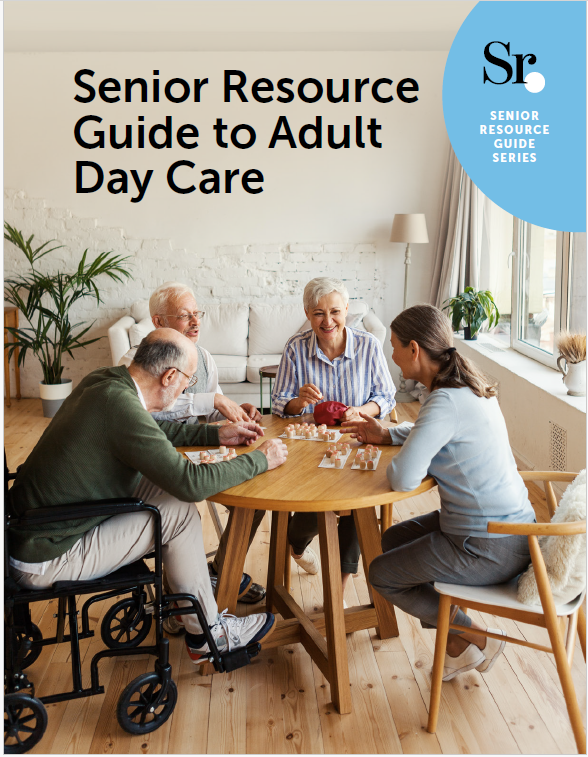
Believe it or not, older adults with strong social networks actually have a lower risk of developing dementia. That’s because socializing can slow cognitive decline. Think about it this way: talking with others often sparks friendly debates and teachable moments, which are workouts for your brain. Make new friends, spend time with others, and engage in new activities! If you don’t have a strong social support system, it’s not too late to find one. There are hundreds of social opportunities around you every single day! Consider taking an exercise class at your local gym. Or you can enroll in another kind of class or even join a book club. Look for one-time opportunties, like paint-and-sip classes. You never know when you might be seated next to a potential friend!
Another great place to find friends? Your local church, of course! If you’re a believer who isn’t part of a church (or hangs on the fringes of your current one), look for ways to get involved. You don’t have to preach or join the worship team to become part of your church community! Also, while it’s not a subsitute for real-life interaction, you can also make friends online! Join groups or Subreddits related to your interests. Or try to find your old high school friends on Facebook. There’s a lot of downsides to the internet, but one of the upsides is that it can help you track down old friends or stay in touch with new ones. Use it to your benefit!
7. Listen to music.
The power of music is a phenomenon that researchers are still trying to understand fully. But, one thing is certain – it’s good for your brain! Current research suggests that those who listen to music have a tendency to be more mentally alert. Also, it has the power to make you more creative! If you don’t have a Spotify account, you should make one. It’s a huge musical library full of songs and artists you probably haven’t thought about in years. If you have YouTube premium, you also have access to YouTube Music, which is another great place to find some great tunes! Or maybe you’re old-fashioned and still like the musical Russian roulette that is the radio. No matter how you choose to get your musical fix, make sure you do! Your brain will thank you for it!

Popular Articles About Mental and Emotional Health
Originally published August 13, 2025
Author(s):