Microplastics Found in Human Brains Linked to Dementia

What if I told you that tiny pieces of plastic—so small you can’t see them with the naked eye—are making their way into your brain? It sounds like a dystopian plot twist, but research from the University of New Mexico Health Sciences reveals it’s all too real. Even more troubling is the growing concentration of these microplastics in human brains, increasing by 50% over just eight years. The study also found that those with dementia have dramatically higher levels—up to 10 times as much plastic as found in others. This might be the most alarming connection yet between pollution and human health. The questions we should be asking now are simple: What does this mean for all of us, and is there anything we can do?
Microplastics in the Brain

Microplastics, which are particles of degraded plastic less than five millimeters in size, are everywhere. They’re in our air, water, food, and even deep in the Mariana Trench. But finding them in the human brain raises the stakes considerably. Through a sophisticated chemical process, the team at the University of New Mexico not only detected these plastic fragments in brain tissue, they found higher levels there than in organs like the liver and kidneys.
You might wonder, how much plastic are we talking about? On average, the weight of plastic in a human brain is about the same as that of a plastic spoon. It’s not much, but you wouldn’t want a spoon in your brain, either.
Worse still, according to the UNM research, these fragments are often no bigger than a virus, making it easy for them to cross the blood-brain barrier, which typically protects against harmful substances entering the brain. The leading culprit? Polyethylene, a material commonly used in everyday objects like bottles, cups, and food packaging.
The Link Between Microplastics and Dementia

Here’s where it gets even more concerning. Brain tissue from people diagnosed with dementia contained up to 10 times as much plastic as tissue from those without neurodegenerative diseases. What the researchers cannot yet confirm, however, is causation. Does the accumulation of plastic contribute to dementia, or do dementia-related changes in the brain make it easier for plastic to take hold? At this point, we simply don’t know.
The possibilities are concerning. Toxicologist Matthew Campen, PhD, said in the UNM news release, “We start thinking that maybe these plastics obstruct blood flow in capillaries. There’s the potential that these nanomaterials interfere with the connections between axons in the brain. They could also be a seed for aggregation of proteins involved in dementia. We just don’t know.”
Even if causation remains unproven, the correlation alone is enough to sound alarms…Especially in a world increasingly saturated with plastic waste.
How Did This Plastic Get There?
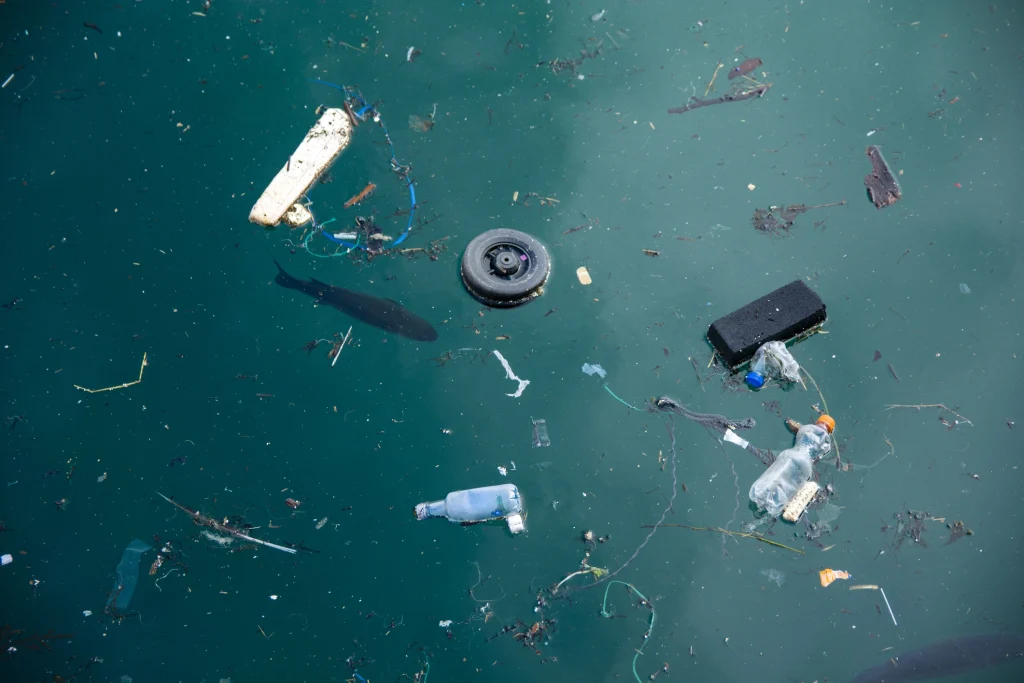
Though scientists don’t have all the answers, there are several theories. One of the most plausible is that when we consume food, particularly animal products, microplastics hitch a ride. The plastic pollutants found in our water and soil may accumulate in crops and livestock, leading to a “biomagnification” effect as we move up the food chain.
Campen says, “The way we irrigate fields with plastic-contaminated water, we postulate that the plastics build up there.” He continues, “We feed those crops to our livestock. We take the manure and put it back on the field, so there may be a sort of feed-forward biomagnification.”
Another route might involve fats, which the brain relies on for energy and insulation. Microplastics are known to bond easily with fats. Through dietary fats, these tiny particles could be delivered directly to the brain, where they lodge in myelin, the substance that insulates our neurons and helps transmit signals.
Why Should We Care?

If you’re thinking, “This doesn’t affect me,” consider this sobering fact. Unless global plastic production halts immediately (a near-impossible scenario), microplastic exposure will continue to grow. What we ingest today will likely accumulate over decades, intensifying any effects on public health. The stakes couldn’t be higher. Plastics were once hailed as revolutionary, but now, they’re a slow-moving health crisis infiltrating every aspect of our lives, including our brains and dementia risk.
“I never would have imagined it was this high. I certainly don’t feel comfortable with this much plastic in my brain, and I don’t need to wait around 30 more years to find out what happens if the concentrations quadruple,” said Campen.
What Can We Do About It?

Solutions to microplastic pollution require a combination of individual, corporate, and governmental action. While systemic solutions will take years, there are a few practical steps we can all take to reduce exposure:
Limit Plastics in Your Diet
Start by choosing organic produce, as it is less likely to have been exposed to microplastic-contaminated water. Reducing or eliminating processed foods and items with plastic-heavy packaging can also make a significant difference. If you’re open to it (and your doctor agrees), consider transitioning to a more plant-based diet. Animal products tend to store higher concentrations of microplastics due to their accumulation through the food chain.
Choose Plastic Alternatives
Another approach is to consciously select alternatives to plastic in your daily life. Replace plastic food containers with glass or stainless-steel options. Also, investing in high-quality water filters that can trap microplastics is another effective way to minimize exposure in your drinking water.
Stay Informed
Keep up with the latest research on microplastics and their health effects to better understand the risks.
The discovery of microplastics in human brains, especially their alarming link to dementia, is a wake-up call that we cannot afford to ignore. These invisible invaders are infiltrating our bodies and potentially threatening our most vital organ, raising urgent questions about the long-term health impacts of our plastic habits. While researchers continue to unravel the exact connection between microplastic accumulation and dementia, one thing is already clear: Our reliance on plastic is creating a crisis that affects us all.
Getty Images: Alistair Berg, MICROGEN IMAGES/SCIENCE PHOTO LIBRARY, Andrew Brookes, Carmen Martínez Torrón | Shutterstock

Popular Articles About Alzheimer's and Dementia
Originally published February 06, 2025
Author(s):