Over 50? Here Are the Questions That Could Save Your Heart

Your heart is one of the most vital parts of your body and should be taken seriously at all times, especially since it ages with you. Factors such as genetics, exercise, and diet can determine how well it may serve you in your old age. Talking to your doctor can help you effectively manage your blood-pumping companion. Now, you may be wondering, “What do I ask them?” You’ve got questions, and we’ve got the answers. Here are some of the most important questions to ask about heart health for those aged 50 and up.
“Am I Healthy?”

A physical or check-up with your primary care provider will be a good place to start. There, you can assess your overall health and how it contributes to your heart function. During your visit, you can expect to have things like your vitals, weight, and BMI (Body Mass Index) measured. Don’t be afraid to ask how even these elements can tie directly to your heart. Being overweight can increase your risk for diseases like diabetes and high blood pressure, which can contribute to heart disease. It can seem overwhelming to think about how much responsibility comes with looking after your cardiovascular health at a certain point. However, some insight from a medical professional could just be what you need to put your best foot forward. The healthier you are overall, the healthier your heart will be!
“Will My Family Lineage Catch Up to My Heart?”

There are a few inevitable forces that may contribute to complex health conditions and the risk of heart disease. Family history and genetics are one such factor. Noting your family’s track record of heart problems may just save you from developing issues of your own. Leave no stone unturned. Trace the history of both of your parents. Any potential incidents or procedures can better help your doctor give precise information to go off of. This can include anything heart-related, such as:
- History of heart disease
- History of high blood pressure or cholesterol
- Heart attacks
- Bypass surgeries
- Pacemakers
“How is My Cholesterol?”

One of the factors linked to heart complications is controllable, and that factor is cholesterol. Monitoring your cholesterol becomes increasingly important with age since it can be directly linked to your diet. There are different types of cholesterol so it’s best to oversee the good, the bad, and the ugly. If your cholesterol falls into the bad category, it would be a good time to discuss ways to lower your numbers. Dietary restrictions and lifestyle changes can prevent the build-up of bad cholesterol and may very well prevent a heart attack or stroke. You can also incorporate foods that lower cholesterol into your diet. Some of these include:
- Barley and other whole grains
- Beans
- Okra
- Eggplant
- Nuts
- Vegetable oils
- Fruits, such as apples, grapes, strawberries, and citrus fruits
- Soy
- Fatty fish
- Fiber supplements
“How is My Blood Pressure?”
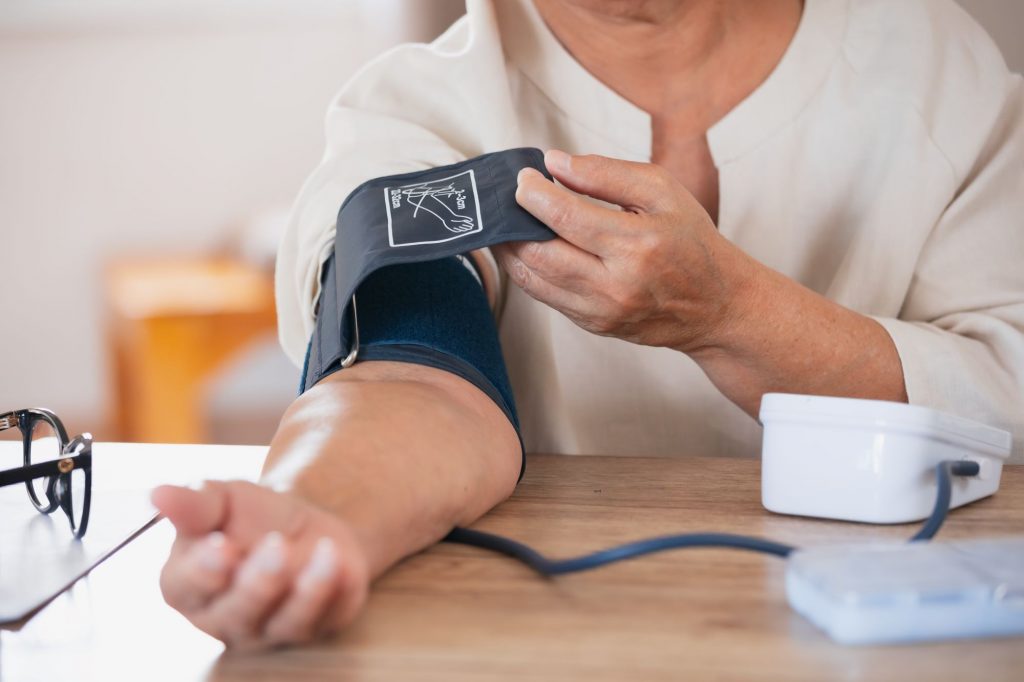
High blood pressure is known to be another adversary for cardiovascular health and diseases. Just like cholesterol, you’ll want to keep these numbers low. And, like cholesterol, it will compromise the integrity of your arteries and result in minor chest pains and even heart attacks. According to the CDC, the normal blood pressure range is 120/80 and can be maintained regardless of age. So, if you discover your blood pressure is over that, use it as another talking point for your doctor or cardiologist and take preventative measures!
“What Symptoms Should I Look For?”

It’s one thing to be mindful of what causes heart problems, but it’s another to be aware of the symptoms. Symptoms may range differently for men and women but should not be ignored especially with age. Most commonly this may include:
- Shortness of breath
- Tiredness, weakness, and fatigue
- Irregular changes in heart rate
- Nausea
- Chest pain
If you feel like any of these apply to you, bring them up. Discussions about these or any other potential symptoms could be another lifesaver. Literally.
“What if I’m Diabetic?”

Diabetes can contribute to heart disease. In fact, if you’re diabetic (especially Type 2) you could be at twice the risk of heart disease or heart failure. Some previously mentioned risk factors, such as blood pressure and cholesterol, could be directly tied to the disease. Managing your diabetes may be your best option to prevent heart complications.
This may seem scary at first, but diabetes is manageable. Consulting with your primary care doctor about any existing or even potential diagnosis can help you manage them more effectively.
“Do I Need Medication?”

Whether you’ve had a heart attack or have a heart disease, your doctor can still prescribe medication to prevent it from happening. Sometimes, it may be as simple as taking aspirin. Other times, certain medicines like statins could be prescribed if high cholesterol is a factor. Other types of medication that could be prescribed based on the individual can include Beta blockers or ACE inhibitors. Remember—while medications may or may not be for you, it never hurts to ask!
“What Changes Do I Need to Make?”

Whether or not your doctor refers you to a cardiologist, there will likely be indications for some changes. However, some of the improvements your doctor may suggest can include:
- Increased physical activity
- Quit smoking
- Watch your weight
- Manage existing conditions (diabetes, cholesterol, blood pressure, etc.)
- Reduce stress
- Drink alcohol moderately
Even if your doctor or physician doesn’t recommend these changes, it never hurts to exercise more, eat healthier, and kick cigarettes to the curb! So, consider losing weight if you’re overweight and getting pre-existing conditions under control. Not only will your heart thank you, but the rest of your body will be grateful, too!
Takeaway
As you get older, asking the right questions becomes critical. So, if you’re 50 or older, remember to ask these questions during your next checkup. Knowing what to look out for and how to manage symptoms can help you manage your heart health. If necessary, expect some tests to be performed, like an EKG (Electrocardiogram), Exercise stress test or Echocardiogram. After all, your retirement years are just on the horizon. What better way to enjoy them than by being a heart-conscious, healthy retiree?
Photo Credits: blackCAT @ Getty Images | Shutterstock | Canva Pro

Popular Articles About Heart Health
Originally published March 06, 2025
Author(s):