Remote Patient Monitoring: How Can It Help You?
Few people could have predicted the speed with which remote patient monitoring would transform healthcare just a few years ago. This transformative practice, fueled by technological advancements and the imperative for more efficient and accessible healthcare, rapidly reshapes how patients receive medical attention and healthcare providers deliver their services.
What is Remote Patient Monitoring?
RPM is a medical method whereby a patient’s health and vital signs are tracked remotely using electronic devices. It entails the real-time collection and transmission of patient data via a network of interconnected medical equipment and digital technologies.
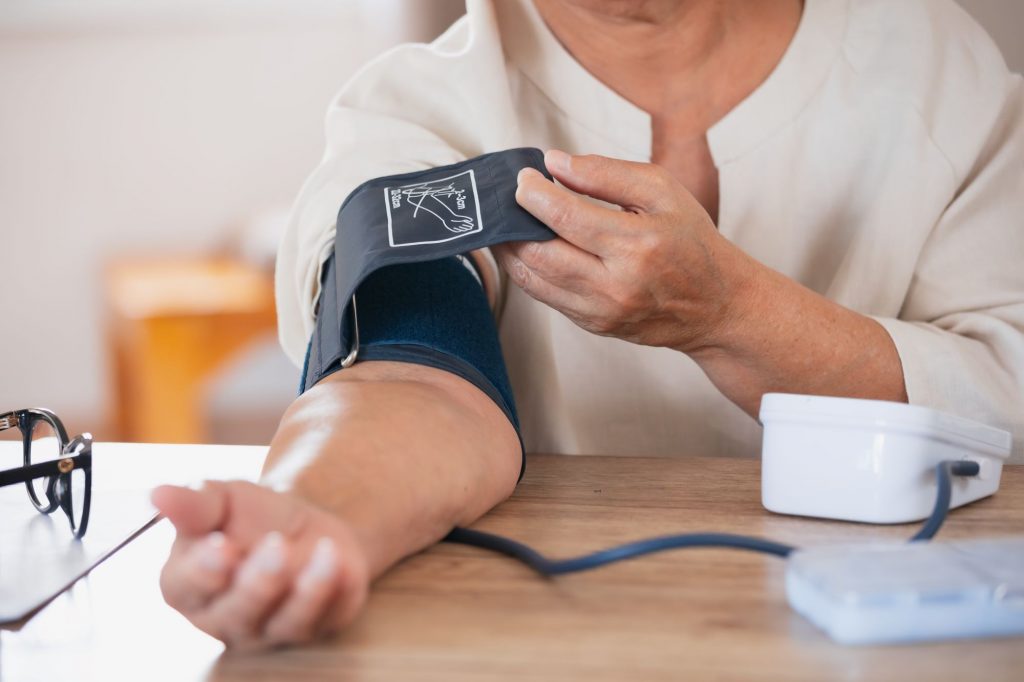
RPM is designed to enhance patient care, improve outcomes, and reduce healthcare costs, particularly for individuals with chronic illnesses, post-surgery patients, or those requiring ongoing monitoring. Accuhealth Remote Patient Monitoring, for example, has medical devices that patients can use, such as blood pressure monitors, glucose meters, and pulse oximeters, to measure vital signs and health metrics. These devices are connected to a central system, which collects and processes the data. All RPMs have the following components:
Data Transmission:
Patient data is securely transmitted to healthcare providers’ systems in real-time or at scheduled intervals. This data can be accessed and reviewed by healthcare professionals remotely, allowing for continuous monitoring.
Alerts and Notifications:
RPM systems are often equipped with alert mechanisms. When data falls outside predetermined parameters or if there are concerning trends, the system generates alerts. Medical professionals can act quickly in response to these warnings.
EHR Integration:
A patient’s medical history and current state can be seen in its entirety when RPM data is combined with electronic health records. This integration streamlines care coordination and ensures patient data is readily available during telemedicine consultations or in-person visits.
Patient Engagement:
RPM systems may include patient portals or mobile apps that allow individuals to access their health data, track progress, and receive feedback or educational materials. Patient engagement is a crucial aspect of RPM, encouraging individuals to participate in their healthcare actively.
Advantages of Remote Patient Monitoring
The following are some ways in which Remote Patient Monitoring can help you.
Continuous Monitoring of Vital Signs:
RPM enables healthcare providers to continuously monitor critical patient data. This constant stream of real-time information allows for immediately detecting any concerning trends or deviations from normal ranges. This allows medical staff to act quickly in critical situations, boosting patient safety as well as health.
Early Detection of Health Deterioration:
The ability to identify precursors to health decline is a key capability of RPM. By continuously tracking vital signs and health metrics, RPM systems can identify subtle variations or anomalies that may indicate a deteriorating condition.
Early detection empowers healthcare providers to take proactive measures, potentially preventing severe complications and hospitalizations, ultimately improving patient outcomes.
Improved Chronic Disease Management:
RPM is particularly beneficial for patients with chronic diseases such as hypertension, diabetes, or heart conditions. It allows healthcare providers to closely monitor patients’ conditions, assess medication adherence, and tailor treatment plans based on real-time data.
Patients benefit from personalized guidance and education, enabling them to actively participate in managing their conditions, making informed choices, and leading healthier lives.
Reduced Hospital Readmissions:
RPM has proven valuable in reducing hospital readmissions, particularly for patients with chronic illnesses or those recovering from surgeries. Through continuous monitoring, healthcare providers can detect early warning signs and intervene promptly, preventing complications that might otherwise lead to hospitalization.
Enhanced Patient Convenience:
Medical care can be provided to patients in their own homes through RPM, saving them time and effort. Patients no longer need to travel to medical facilities for routine check-ups or follow-up appointments. This convenience is especially invaluable for elderly patients or individuals with limited mobility, as it reduces the physical and emotional strain associated with frequent in-person visits to healthcare providers.
Optimized Use of Resources:
Utilizing RPM, healthcare facilities can make better use of their supplies. By focusing on patients who require immediate attention based on their remote monitoring data, providers can ensure that resources are directed to those in need.
This targeted approach improves the quality of care and prevents the overutilization of healthcare resources, making healthcare delivery more efficient and sustainable.
Increased Patient Engagement and Education:
By encouraging patients to take an active role in their healthcare, RPM increases satisfaction with the experience. Patients can view their health records, keep tabs on their progress, and get individualized responses and suggestions from their doctors. This empowerment instills a sense of responsibility for one’s health and motivates patients to adhere to treatment plans and adopt healthier lifestyles, ultimately leading to improved health outcomes.
Data-Driven Decision-Making:
Data collected from RPM can be used to inform decisions about individual patients. Providers can use this information to spot patterns, gauge the success of treatments, and base treatment decisions on hard facts. Research, quality improvement programs, and the development of healthcare practices can all benefit greatly from this data, which contributes to the field’s constant state of innovation.
Conclusion
RPM’s ability to continuously monitor patients’ vital signs and health metrics from a distance has enhanced patient care, contributed to substantial cost savings, and improved patient outcomes. The impact of RPM on healthcare is profound, and its potential for further innovation continues to expand at an astonishing rate.

Popular Articles About Health & Wellness
Originally published October 06, 2023
Author(s):