Slow Cooker Safety and How to Avoid Foodborne Illness
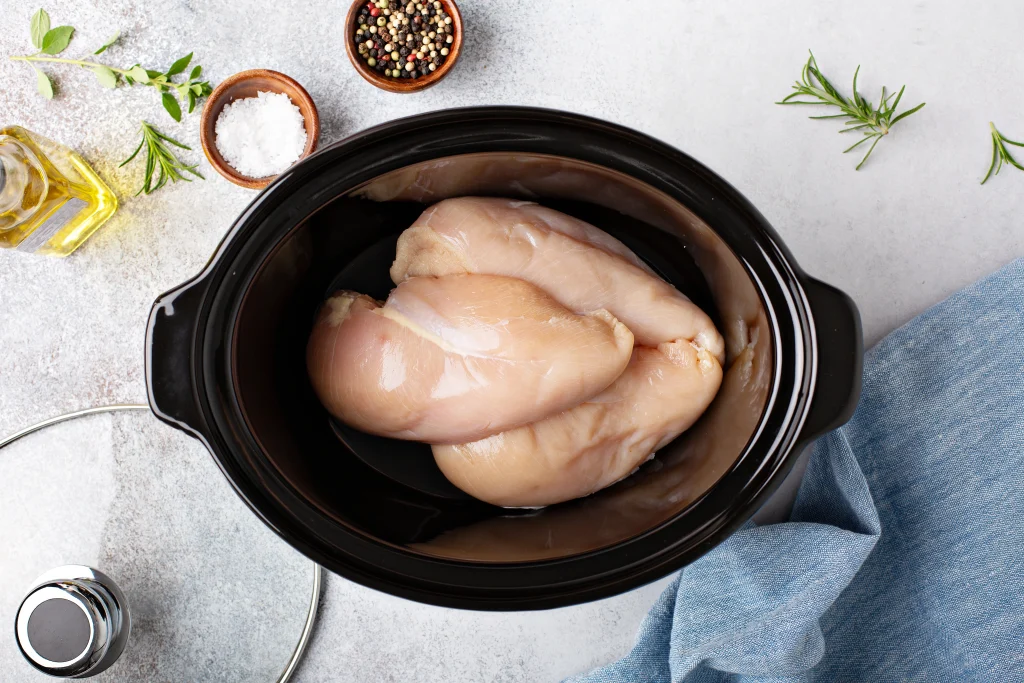
This is the time we dust off the slow cooker and bring it center stage. It’s perfect for those long-cooking stews and soups that make coming home from work a delight, knowing that dinner is ready.
Use your slow cooker to make an overnight oatmeal, dip, or even layered lasagna.
For most of us multitaskers, a slow cooker is a dream come true: Plan a meal and have it ready when you walk in the door. But there are some important food safety rules to remember when using a slow cooker. Here are some tips from the Academy of Nutrition and Dietetics.
- Start with a clean space. Make sure the cooker, utensils, and work area are clean. Start by washing your hands.
- Keep perishable foods refrigerated as long as possible. Take them out and then add them to the slow cooker.
- Prepare meat and vegetables separately. If you prep meat and vegetables beforehand, store them separately in your fridge in order to avoid cross-contamination.
- Always defrost meat or poultry before putting it in the slow cooker. Defrosting will ensure your food cooks all the way through to a safe internal temperature. Defrost in the refrigerator, never at room temperature.
- Pay attention to temperature. It is important to make sure your slow cooker reaches a bacteria-killing temperature. Start your slow cooker on the highest setting for the first hour and then switch it to “low” for longer cooking. However, it is still safe to cook foods on low the entire time – for example, if you are leaving for work. Just make sure your food reaches the proper internal temperature.
- Make sure your foods fit. The slow cooker should be half to two-thirds full to ensure your food cooks thoroughly. If there’s too much in the slow cooker, then the food won’t cook properly.
- Cut up your meat. Large chunks of meat may take too long to cook all the way through. Cut meat into smaller pieces before adding it to the slow cooker.
- Keep the lid on. It is important to retain the heat when making a slow cooker meal, so avoid taking off the lid. Only remove the lid to stir or check for doneness.
- Use a food thermometer. The only way to know for sure that your food is safe to eat is with a food thermometer. Use a food thermometer to make sure the food has reached the proper internal temperature.
- Store leftovers in shallow containers and refrigerate within two hours. One of the best parts of a slow cooker meal is the leftovers.
“I know we’re supposed to eat less salt, but what are the effects of eating too much salt?”
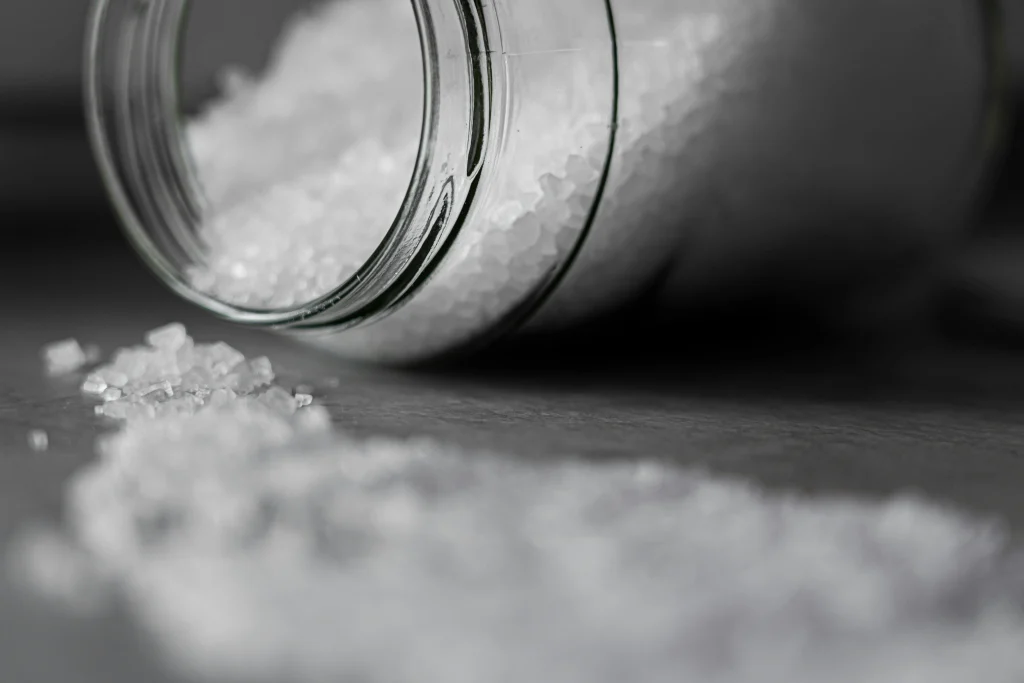
High levels of sodium can lead to high blood pressure, heart disease, and even possible stroke. The recommended limit for sodium intake is 2,300 milligrams per day for people 14 years and older. Some 90% of adult Americans consume about 3,400 milligrams per day, according to the Food and Drug Administration. To cut back, try eating less deli meat, pizza, burritos, and tacos; also, try using no-salt seasoning blends and no-salt-added canned foods and cutting back on chips and pretzels.
COPYRIGHT 2024 CREATORS.COM, NUTRITION NEWS

Popular Articles About Nutrition
Originally published November 08, 2024
Author(s):