10 Life-Changing Steps to Overcome Sugar Cravings for Good

Sugar is everywhere – hidden in our drinks, snacks, and even foods we don’t think of as sweet. Here’s the hard truth: sugar, when consumed in excess, can harm your body. Overeating sugar is linked to serious health problems, from diabetes to hormonal imbalances. But the good news is that you can take control. Follow these actionable steps to cut back on sugar and make your health a priority.
1. Understand Why Sugar Is Especially Harmful for Seniors
Excessive sugar consumption can have significant and detrimental effects on your health, particularly as you age. Here are just a few effects to be aware of:
- Spikes and Crashes – Sugar causes rapid spikes in your blood sugar levels, followed by sudden energy crashes. These fluctuations can be particularly challenging for seniors, leading to increased fatigue, weakness, and difficulty concentrating.
- Hormonal Disruption – High sugar intake can disrupt the balance of important hormones, such as insulin and testosterone. These hormonal imbalances can contribute to weight gain, reduced muscle mass, and an increased risk of age-related health problems.
- Increased Risk of Chronic Diseases – Consistent overconsumption of sugar can significantly increase the risk of chronic diseases that are more prevalent in older adults, including:
- Heart disease (high sugar intake can contribute to high blood pressure, high cholesterol, and inflammation, all of which are major risk factors for heart disease).
- Type 2 diabetes (sugar overload can impair your body’s ability to effectively use insulin, increasing the risk of developing type 2 diabetes, a serious health concern for seniors).
- Cognitive decline (some studies actually suggest a link between consuming lots of sugar and an increased risk of developing dementia).

2. Track Your Sugar Consumption
Awareness is key. Many processed foods and drinks hide significant amounts of sugar, often labeled under different names. Start reading labels carefully and tracking your intake. Look out for these common hidden sugars:
- High fructose corn syrup
- Maltose
- Dextrose
- Sucrose

3. Cut Out Sugary Drinks
Sugary beverages are some of the biggest culprits in a poor American diet. In just one 12-ounce can of Coke, there are 9.75 teaspoons of sugar! These liquid sugars quickly spike your blood sugar, making them particularly harmful. Switch to healthier alternatives like:
- Water infused with lemon, cucumber, or berries
- Unsweetened herbal or green tea
- Black coffee or coffee with unsweetened milk substitutes
These simple swaps will dramatically reduce your sugar intake.

4. Focus on Nutrient-Dense Foods
A healthy diet built around whole, nutrient-rich foods will naturally reduce sugar cravings. Prioritize protein, healthy fats, and complex carbs. Here’s what we mean:
- Protein – Eggs, chicken, fish, lentils, or tofu
- Healthy fats – Avocados, nuts, seeds, and extra virgin olive oil
- Complex carbs – Vegetables, whole grains, and low-sugar fruits like berries (instead of refined options)
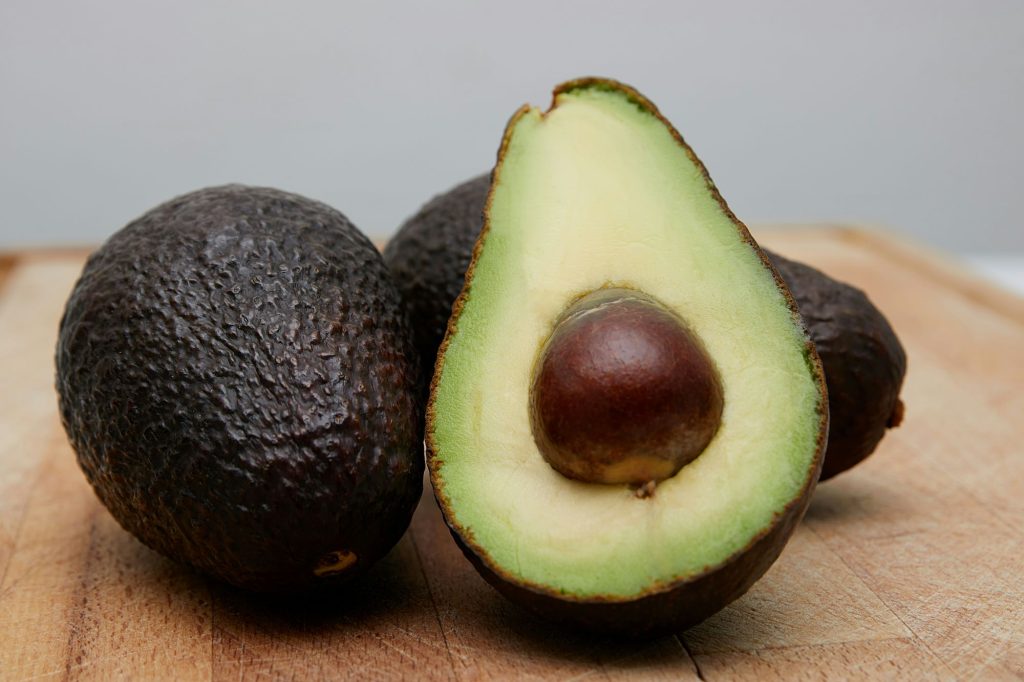
5. Consider Ketosis
Ketosis is a metabolic state where your body burns fat instead of sugar for energy. To encourage fat burning:
- Avoid sugary and high-glycemic foods like candy, white bread, and sugary drinks.
- Focus on healthy fats, proteins, and low-carb vegetables.
- Practice intermittent fasting, allowing at least 16 hours between meals to help your body transition from burning sugars to fats.
This information is for general education purposes only and is not a substitute for professional medical advice. Before making any significant changes to your diet, including intermittent fasting or adopting a keto diet, please consult your doctor or a qualified healthcare professional. This is especially important for seniors, as individual health needs vary. Always prioritize your safety and well-being by seeking personalized guidance.
6. Balance Your Hormones
Did you know that consuming excessive sugar can disrupt your hormones, making it harder to break addiction cycles? To maintain optimal thyroid function and support hormonal balance, include iodine-rich foods like seafood in your diet. Avoid processed foods that interfere with your body’s ability to absorb essential minerals. Additionally, prioritize good-quality sleep, as it helps regulate hormones like cortisol and growth hormone.

7. Upgrade Your Salt
Not all salts are created equal! Ditch heavily processed table salt and opt for mineral-rich alternatives like: Celtic sea salt or Himalayan pink salt. These salts retain essential trace minerals that support overall health and can actually help curb sugar cravings.

8. Find an Accountability Partner
Breaking a sugar habit is challenging, but you don’t have to go it alone. Recruit a friend, family member, or coach to share meal plans and recipes, offer encouragement during tough moments, and to celebrate milestones and victories. Having someone to cheer you on can make the process more manageable (and more rewarding!).

9. Go Cold Turkey (At First)
The first few days of giving up sugar are always the hardest. Your body needs time to adjust to burning fat instead of relying on quick sugar fixes. Stay strong by:
- Drinking plenty of water to stay hydrated and reduce hunger pangs.
- Eating nutrient-dense snacks like nuts, boiled eggs, or roasted vegetables to avoid dips in energy.
- Reminding yourself of your “why” (better health and long-term well-being).
Push through those first few days, and the cravings will ease over time.

10. Work with a Healthcare Professional
Before making major dietary changes, especially if you’re managing chronic conditions or taking medications, consult your healthcare provider.

The Bottom Line On Kicking Sugar Cravings
- Breaking free from sugar is challenging but entirely possible. Every intentional step you take improves your energy, weight management, and quality of life.
- Small changes, like cutting sugary drinks or swapping processed foods for nutrient-dense options, can make a big difference.
- Build a support network, stay consistent, and don’t hesitate to ask for help when needed.
Your health is worth the effort. It’s time to take charge and say goodbye to the rollercoaster of sugar highs and lows.
This information is for general education purposes only and is not a substitute for professional medical advice. Before making any significant changes to your diet, including intermittent fasting or adopting a keto diet, please consult your doctor or a qualified healthcare professional. This is especially important for seniors, as individual health needs vary. Always prioritize your safety and well-being by seeking personalized guidance.

Subscribe to & Connect with Next Steps 4 Seniors: Conversations on Aging

Visit Next Steps 4 Seniors: https://nextsteps4seniors.com/
Image Credit: Getty Images | Canva Pro | Shutterstock | Suzy Hazelwood: https://www.pexels.com/photo/three-clear-water-bottles-2479095/ | Castorly Stock : https://www.pexels.com/photo/selective-focus-photo-of-salt-in-glass-jar-3693294/

Popular Articles About Nutrition
Originally published March 07, 2025
Author(s):