The Importance of Dental Health in Your Senior Years
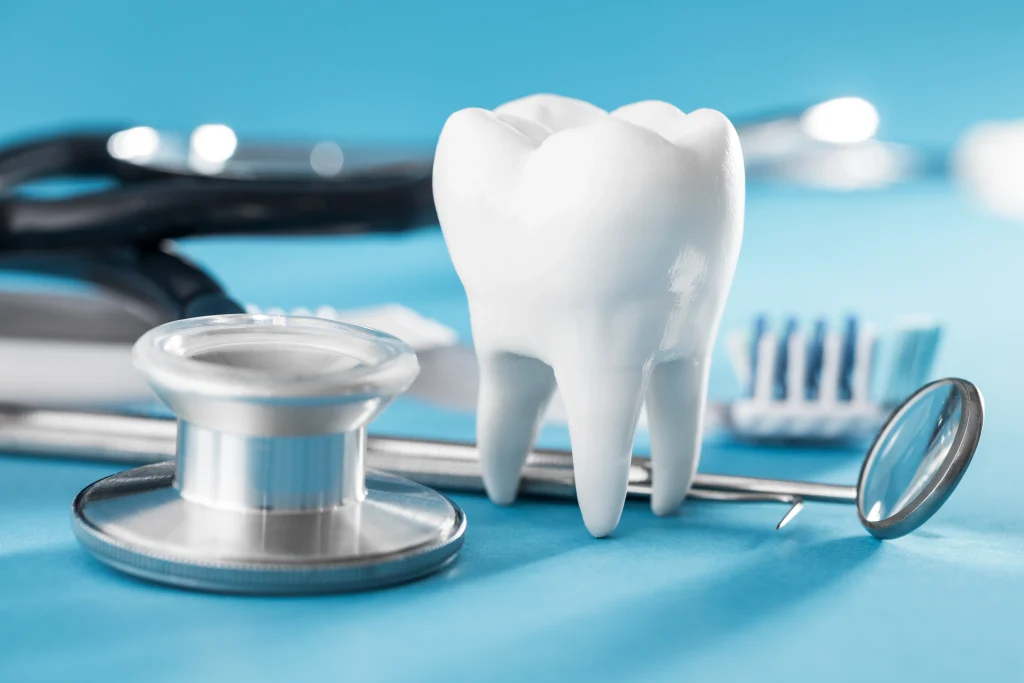
As you age, dental health becomes increasingly important, playing a significant role in your overall well-being and quality of life. Maintaining oral health goes beyond keeping that beautiful smile; it’s deeply connected to your general health and daily functioning. With age, factors like changes in dental structure, a higher susceptibility to diseases, and the effects of certain medications make diligent dental care essential. Additionally, aging can slow down your body’s ability to heal, making oral infections more serious and slower to resolve. Chronic conditions common in older adults can further complicate dental health, requiring more vigilant care and management. Let’s talk in-depth about some of the reasons dental health is so important in your senior years.
Changes in Dental Structure

Aging brings about natural changes in the oral cavity that can affect dental health. Tooth enamel gradually wears down over time, making teeth more susceptible to decay. Additionally, gum tissue may recede, exposing tooth roots and increasing the risk of sensitivity and root decay. The natural decrease in saliva production can lead to dry mouth, further compounding these issues. This reduction in saliva can also make it harder to neutralize acids and wash away food particles.
To help seniors maintain optimal dental health despite these challenges, consider the following practical tips:
- Maintain a consistent oral hygiene routine.
- Use a soft-bristled toothbrush – This reduces the risk of damaging enamel and irritating gums.
- Stay hydrated.
- Consider saliva substitutes – There are over-the-counter saliva substitutes or moisturizing gels that may help alleviate dry mouth symptoms.
- Limit sugary foods and drinks.
- Use dental products for sensitive teeth.
- Use mouthwash.
Increased Risk of Oral Diseases
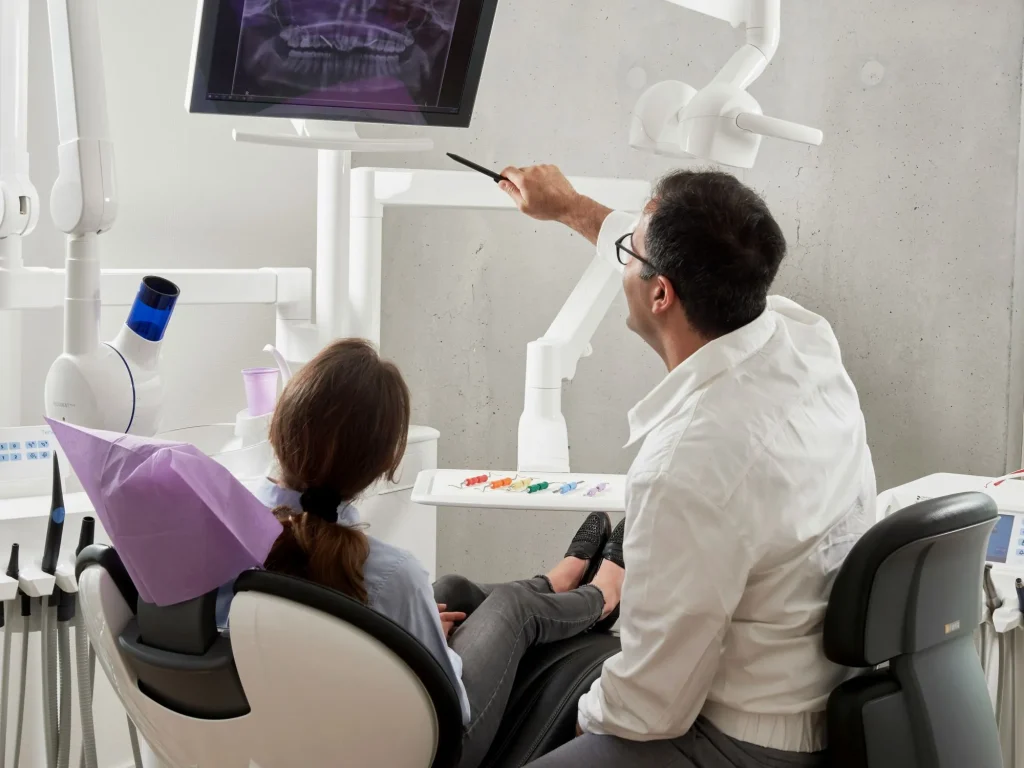
Older adults are at a heightened risk for various oral diseases, including gum disease and oral cancer. Gum disease, or periodontal disease, is particularly common among seniors and can lead to tooth loss if left untreated. It’s often linked to systemic conditions such as diabetes, which can exacerbate oral health problems. Oral cancer, although less common, becomes a significant concern as age advances. Changes in oral tissue, such as unusual sores or growths, can be early indicators of serious conditions.
To help seniors reduce the risk of these oral diseases, consider the following practical tips:
- Schedule regular dental check-ups – Regular visits to the dentist can help catch any early signs of gum disease or oral cancer.
- Perform self-exams – Routinely check your mouth for any unusual sores, lumps, or changes in tissue color and report them to your dentist.
- Maintain good oral hygiene.
- Quit smoking and limit alcohol.
- Manage your health conditions – Keeping conditions like diabetes under control can help minimize their impact on oral health.
- Eat a balanced diet.
- Use antimicrobial mouthwash.
Impact of Medications

Medications prescribed for various age-related conditions can have side effects that adversely affect oral health. For example, some medications cause dry mouth, which can lead to an increase in tooth decay and gum disease. Other medications may cause changes in gum tissue or alter the normal function of the mouth. You should communicate with your dentist about any medications you’re taking to ensure appropriate measures are taken to reduce potential oral health issues. Moreover, certain medications can interact with oral health treatments, so dental professionals must be aware of all medications being used. Regular updates about medication changes can help tailor dental care to individual needs.
Importance of Regular Dental Check-Ups
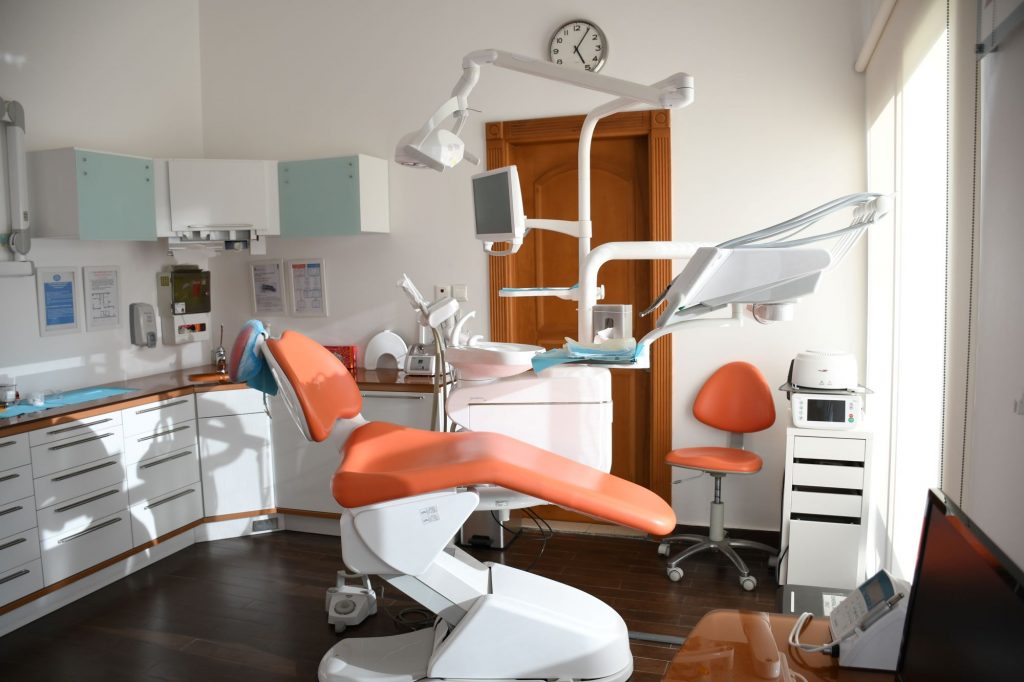
Regular check-ups are so important for older adults to maintain the best possible dental health. During visits, dentists can perform thorough exams to identify any potential issues early on. Preventative care, including professional cleanings and fluoride treatments, can help protect against decay and gum disease. For instance, a dental exam in Arlington, TX, or any other location, would typically involve a comprehensive review of your dental health. This provides valuable insights into necessary treatments or preventative measures. These check-ups also allow for the monitoring of existing conditions, such as periodontal disease, and adjustment of treatment plans as needed. Routine exams can help ensure any new symptoms or concerns are addressed promptly.
Maintaining Good Oral Hygiene

In addition to professional care, maintaining good oral hygiene at home is important for seniors. Daily brushing with fluoride toothpaste and flossing helps to prevent the buildup of plaque and tartar, which can lead to oral health problems. Using an antimicrobial mouthwash can further reduce the risk of gum disease. You should also be mindful of diet, as consuming a balanced diet rich in vitamins and minerals supports overall oral health. Proper hydration is equally important to combat dry mouth and maintain saliva flow.
Addressing Specific Dental Issues
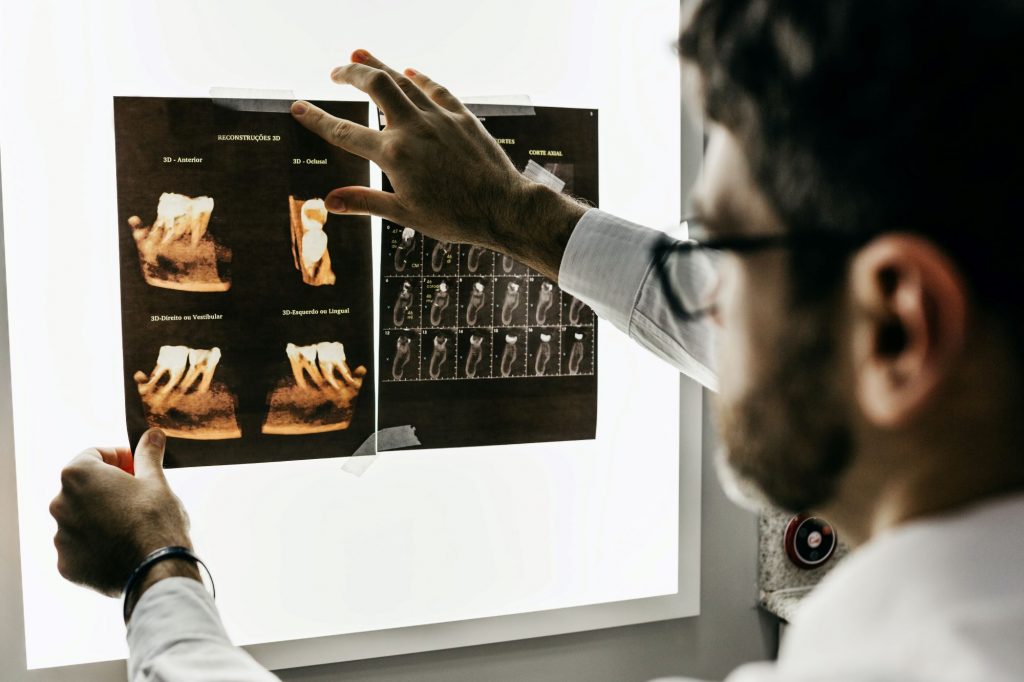
As you age, it’s possible that you may encounter specific issues such as tooth sensitivity, wear and tear, and the need for restorative treatments. Sensitivity can result from gum recession or enamel erosion, requiring special toothpaste or treatments to manage discomfort. Wear and tear may necessitate restorative procedures such as crowns or dentures to restore function and aesthetics. Additionally, addressing issues like uneven wear can help prevent more severe problems down the line. Regular monitoring and timely intervention and treatment are essential to address these issues and ensure continued oral health.
To help manage these common dental challenges, consider the following practical tips:
- Use toothpaste for sensitive teeth.
- Consider restorative options – Discuss with your dentist the possibility of crowns, dentures, or other treatments to restore tooth function and aesthetics.
- Avoid foods that are too hard – Limiting hard or chewy foods can reduce wear and tear on teeth, protecting them from further damage.
- Use a night guard if needed – If you grind your teeth at night, a night guard can protect them from further wear.

Regular check-ups, diligent oral hygiene, and awareness of the impact of medications are key to preserving oral health and preventing disease. Effective dental care helps prevent complications that could affect other aspects of your health! Start prioritizing your dental health today!

Popular Articles About Dental Care
Originally published September 19, 2024
Author(s):