Want to Lower Your Heart Attack Risk? Cut Sodium, Add Potassium

Skipping the saltshaker and adding potassium-rich foods to your diet may lower your risk of heart attack. Researchers have found compelling evidence to support this balance in reducing cardiovascular risks.
Insights From a Groundbreaking Study
A large-scale study of over 10,000 adults led by the Harvard T.H. Chan School of Public Health confirmed the benefits of reducing sodium and increasing potassium in your diet. Published in The New England Journal of Medicine in November 2021, this research highlights vital heart health strategies.
A New Approach to Studying Sodium and Potassium
Unlike previous studies with mixed results, this research used the gold standard for measuring sodium and potassium intake—24-hour urine samples. By precisely analyzing nutritional intake, researchers provided stronger and more accurate data.
What They Found

- For every additional 1,000 mg of daily sodium intake, cardiovascular risk increased by 18%.
- Meanwhile, consuming an extra 1,000 mg of potassium lowered the likelihood of cardiovascular disease by the same percentage—18%.
- Individuals with the highest sodium levels faced a 60% higher risk of heart attacks, strokes, or similar events compared to those with lower sodium levels.
- Higher potassium intake reduced cardiovascular events by 31%.
Why Sodium-Potassium Balance Is Crucial
Too much sodium—primarily from packaged and restaurant foods—leads to water retention in blood vessels, raising blood pressure and increasing heart attack and stroke risks. Potassium counteracts these effects, lowering blood pressure by helping blood vessels relax.
Simple Steps to Protect Your Heart
Cooking from scratch allows you to control sodium levels in your meals. Replace processed foods with whole grains, fresh vegetables, fruits, and legumes to naturally boost your potassium intake while lowering sodium.
Q&A About Food Labeling
Q: Are food “best-by” or “use-by” dates legally required?
A: Only infant formula must legally carry these labels to ensure nutritional quality. For all other foods, the dates are voluntary indicators of peak quality, not safety. Dry goods may still be safe beyond their “best-by” dates if stored properly, but perishable foods like meats and dairy should be discarded if spoilage is suspected.
Try This Heart-Healthy Recipe
Slow-Cooked Southwest Chicken
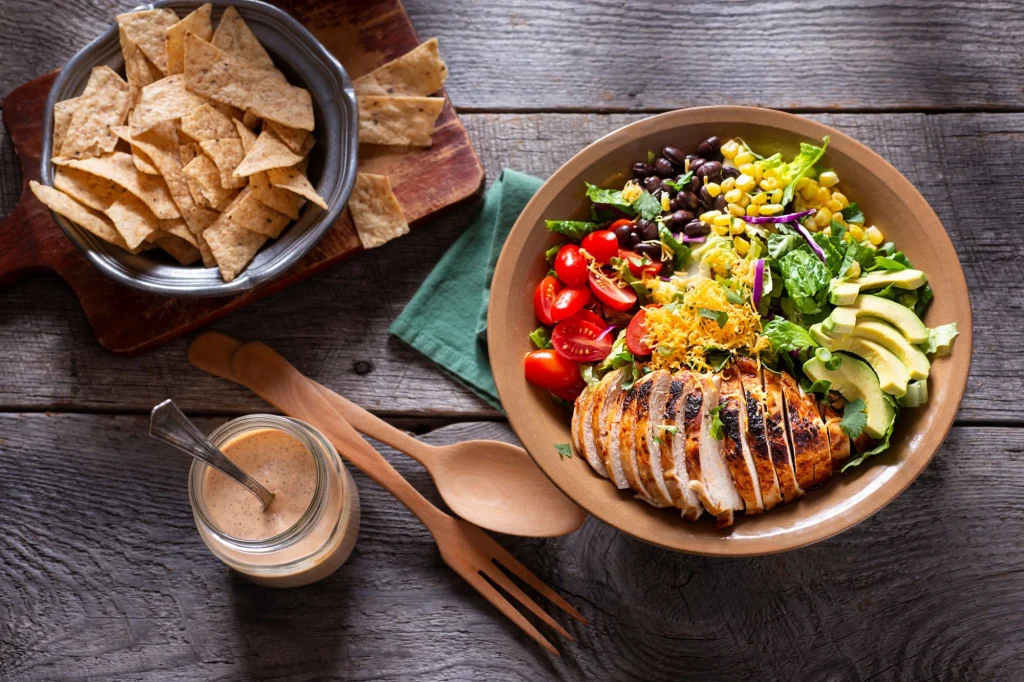
Ingredients:
- 3 cans (15 ounces each) black beans, rinsed and drained
- 1 can (14.5 ounces) reduced-sodium chicken broth
- 1 can (14.5 ounces) diced tomatoes with mild green chilies, undrained
- 1/2 pound boneless, skinless chicken breast
- 1 jar (8 ounces) chunky salsa
- 1 cup frozen corn
- 1 tablespoon dried parsley flakes
- 1 teaspoon ground cumin
- 1/4 teaspoon pepper
- 3 cups hot, cooked brown rice
Instructions:
- Combine beans, broth, tomatoes, chicken, salsa, corn, and seasonings in a 2- to 3-quart slow cooker.
- Cover and cook on low for 6–8 hours.
- Shred the chicken and return it to the pot to heat through.
- Serve with brown rice. Garnish with a dollop of low-fat sour cream or Greek yogurt and a sprinkle of cilantro if desired.
Per serving: 320 calories, 19g protein, 56g carbohydrates, 1g fat, 21mg cholesterol, 8g fiber, 873mg sodium
This flavorful low-sodium dish supports a heart-healthy diet, proving that nutritious eating can still be delicious. Take control of your health one meal at a time!

Popular Articles About Heart Health, and Nutrition
Originally published January 17, 2025
Author(s):