What is a Will and Why Do I Need One?

Estate planning plays an important role in managing your finances and ensuring personal security, but it’s a topic that often gets pushed aside until it’s too late. At the heart of this process lies the will. In this article, we’ll dive into some of the basics of what a will is all about—its definition, purpose, perks, and legal aspects—to shed light on why having one is something everyone should seriously think about.
What is a Will?

A will is a legal document that outlines a person’s wishes regarding the distribution of their assets and other personal matters after their death. This document encompasses various aspects such as the allocation of property, appointment of guardians for minor children, and specific instructions for managing one’s estate. Essentially, a will serves as a voice for a person when they can no longer communicate their wishes.
The importance of a will cannot be overstated. Without one, the distribution of assets and other personal matters can become entangled in legal complexities, often leading to unintended consequences.
For example, without a will, your estate could be distributed according to the state’s intestate succession laws, which may not align with your personal wishes. This can lead to significant emotional and financial stress for your loved ones, who may already be dealing with the grief of your loss.
Purpose and Benefits of Having a Will

Having a will offers numerous benefits, primarily centered around ensuring that your assets and wishes are respected after your death. Here are the key benefits of having a will:
- Ensuring Assets are Distributed According to Your Wishes: A will allows you to specify exactly how you want your assets distributed. This means you can allocate your property, money, and other possessions to specific individuals or organizations as you see fit. For instance, you might want to leave a cherished family heirloom to a particular relative who appreciates its sentimental value, or you might want to ensure that a portion of your estate goes to a favorite charity.
- Appointing Guardians for Minor Children: If you have minor children, a will enables you to designate a guardian to care for them in the event of your passing. Without a will, a court would decide who would take care of your children, which might not align with your preferences.
- Minimizing Family Disputes and Legal Complications: By clearly outlining your wishes, a will can help prevent disputes among family members. It reduces the likelihood of legal battles over your estate, which can be costly and time-consuming. Family conflicts over inheritance can strain relationships, sometimes irreparably, and a well-crafted will can help mitigate these risks.
- Designating Executors to Manage Your Estate: A will allows you to appoint an executor, the person responsible for managing and distributing your estate. This ensures that your estate is handled by someone you trust and who is capable of fulfilling your wishes. The executor plays a vital role in the probate process, managing everything from paying off debts to distributing assets to beneficiaries.
- Providing Clarity and Peace of Mind for Loved Ones: Knowing that your wishes are documented and will be followed can provide peace of mind to your loved ones during a difficult time. It offers clear instructions, making the process smoother and less stressful for those you leave behind. This clarity can be especially important during an emotionally challenging period, providing guidance and reducing uncertainty.
Components of a Will

To be effective and enforceable, a will should contain several essential elements:
- Identifying Information of the Testator: This includes the full name, address, and other identifying details of the person making the will, known as the testator. Including this information ensures there is no ambiguity about the will’s origin and validity.
- Asset Distribution Details: The will should clearly outline how the testator’s assets will be distributed among the beneficiaries. This can include specific bequests of items or sums of money, as well as the division of the residuary estate (what’s left after specific bequests are made). For example, you might leave a specific sum of money to a grandchild for their education or a piece of jewelry to a close friend.
- Appointment of Guardians, Trustees, and Executors: If the testator has minor children, they should appoint a guardian. Additionally, trustees can be appointed to manage any assets left to minor children, and an executor should be designated to carry out the terms of the will. The roles of trustees and guardians are crucial in ensuring that your children and their inheritance are well cared for.
- Specific Bequests and Instructions: The will can include specific instructions or bequests, such as leaving a family heirloom to a particular relative or making a donation to a charity. These specific instructions help ensure that particular wishes are honored and can add a personal touch to your will.
- Contingency Plans for Unforeseen Circumstances: It’s wise to include contingency plans in case a named beneficiary predeceases the testator or if a designated guardian is unable to serve. These contingencies help ensure that your wishes are still carried out even if unexpected events occur.
Legal Requirements and Validity
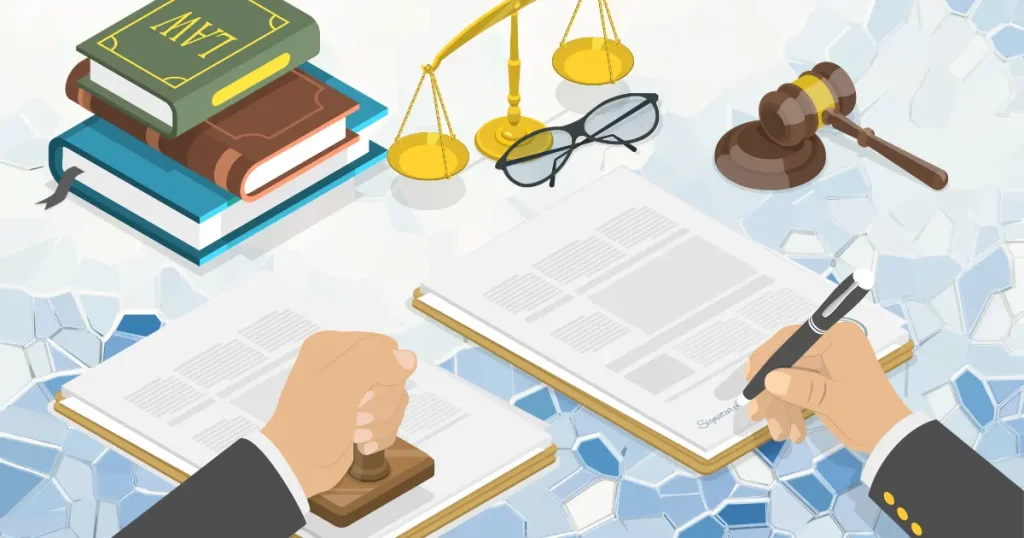
For a will to be legally valid and enforceable, it must meet certain requirements:
- Signature: The testator must sign the will. If the testator is unable to sign, they can direct someone else to sign on their behalf in their presence. This signature confirms that the testator has approved the contents of the will.
- Witnesses: Most jurisdictions require the will to be witnessed by at least two individuals who are not beneficiaries of the will. These witnesses must also sign the will in the presence of the testator. Witnessing helps prevent fraud and ensures that the will was made voluntarily.
- Mental Capacity: The testator must have the mental capacity to understand the nature of making a will, the extent of their estate, and the implications of their decisions. This means they must comprehend who their beneficiaries are, what assets they own, and the impact of distributing these assets.
- Formalities: The will must be written and follow the specific legal formalities required by the jurisdiction in which it is created. This can include notarization in some cases. Adhering to these formalities is crucial for the will’s validity.
Importance of Updating Your Will
A will is not a static document; it should be reviewed and updated periodically to reflect changes in your life and circumstances. Here are some reasons to update your will:
- Life Changes: Major life events such as marriage, divorce, the birth of a child, or the death of a beneficiary should prompt a review of your will to ensure it remains accurate and reflective of your current wishes. For example, getting married might mean you want to include your spouse as a primary beneficiary, while a divorce might necessitate removing an ex-spouse.
- Changes in Financial Circumstances or Asset Ownership: Significant changes in your financial situation or ownership of assets, such as purchasing a new property or receiving an inheritance, should be reflected in your will. These updates ensure that all your assets are accounted for and distributed according to your wishes.
- Evolving Wishes: Over time, your wishes regarding the distribution of your assets and the designation of beneficiaries may change. Regularly updating your will ensures it aligns with your current intentions. For instance, your relationship with certain beneficiaries might change, or you might develop new philanthropic interests.
Probate Process and Will Execution
The probate process is the legal procedure through which a will is validated, and the estate is administered after the testator’s death. Here’s an overview of how this process works:
- Role of Executors: The executor named in the will is responsible for managing the probate process. This includes filing the will with the probate court, notifying beneficiaries and creditors, and managing the distribution of assets. The executor must also handle any outstanding debts and taxes owed by the estate.
- Legal Procedures and Timelines: The probate court oversees the process to ensure the will is valid and the estate is administered according to the testator’s wishes. This can involve court hearings, public notices, and timelines for creditors to make claims against the estate. The duration of the probate process can vary, but it typically takes several months to over a year, depending on the estate’s complexity.
- Administering the Estate: The executor is responsible for paying debts and taxes owed by the estate, distributing assets to beneficiaries, and providing regular updates to the court and beneficiaries. This process can take several months to a year or more, depending on the complexity of the estate. The executor must also keep detailed records of all transactions and communications related to the estate.
Intestate Succession and Will Alternatives
If someone dies without a will, they are said to have died intestate. In such cases, intestate succession laws dictate how the deceased’s assets are distributed. These laws vary by jurisdiction but typically prioritize spouses, children, and other close relatives.
However, there are alternatives to wills for comprehensive estate planning, including:
- Trusts: Trusts can be established to manage and distribute assets during the testator’s lifetime and after death. Trusts can provide greater control over asset distribution and can help avoid probate. For example, a revocable living trust allows the testator to retain control over the assets during their lifetime and specify how they should be managed and distributed after death.
- Living Wills: A living will, also known as an advance directive, outlines an individual’s wishes regarding medical treatment and end-of-life care. This document is crucial for ensuring that one’s medical preferences are respected if they become incapacitated. It can include directives about life-sustaining treatments, pain management, and other critical medical decisions.
- Powers of Attorney: A power of attorney grants a designated individual the authority to make financial or medical decisions on behalf of the testator in case of incapacity. This can be a vital component of comprehensive estate planning, ensuring that someone trusted is making important decisions when the testator is unable to do so.
Professional Guidance and Legal Advice
Creating or updating a will can be a complex process, and it’s important to seek professional guidance to ensure your will is legally sound and accurately reflects your wishes. Estate planning professionals, such as attorneys and financial advisors, can provide valuable assistance. They can help you navigate the legal requirements, address any potential issues, and create a comprehensive estate plan that protects your assets and provides for your loved ones.
When seeking professional guidance, consider the following resources:
- Estate Planning Attorneys: Look for attorneys who specialize in estate planning and have experience drafting wills and trusts. They can provide personalized legal advice and ensure your will meets all legal requirements. An estate planning attorney can also help you understand the implications of different estate planning strategies and choose the best options for your situation.
- Financial Advisors: Financial advisors can help you assess your financial situation, plan for future needs, and integrate your will into a broader estate planning strategy. They can offer insights into tax implications, investment strategies, and other financial considerations that impact your estate plan.
- Online Resources: Many reputable organizations and websites offer resources and tools for creating and updating wills. While these can be helpful, it’s still advisable to seek professional guidance to ensure your will is legally valid and comprehensive. Online tools can provide a good starting point, but they may not address all the nuances of your specific situation.
In conclusion, a will is a fundamental component of estate planning that ensures your wishes are respected and your assets are distributed according to your desires after your death. By creating a will, you can provide clarity and peace of mind for your loved ones, minimize legal complications, and ensure that your legacy is protected.
Don’t wait until it’s too late—take proactive steps to create or update your will today. By doing so, you safeguard your legacy and provide for your loved ones, ensuring that your wishes are honored and your estate is managed according to your instructions.
Seek professional guidance to ensure your will is legally sound and comprehensive, and revisit your will periodically to keep it up to date with your evolving circumstances and wishes.

Popular Articles About Wills
Originally published July 22, 2024
Author(s):