Whole Grains Versus Refined
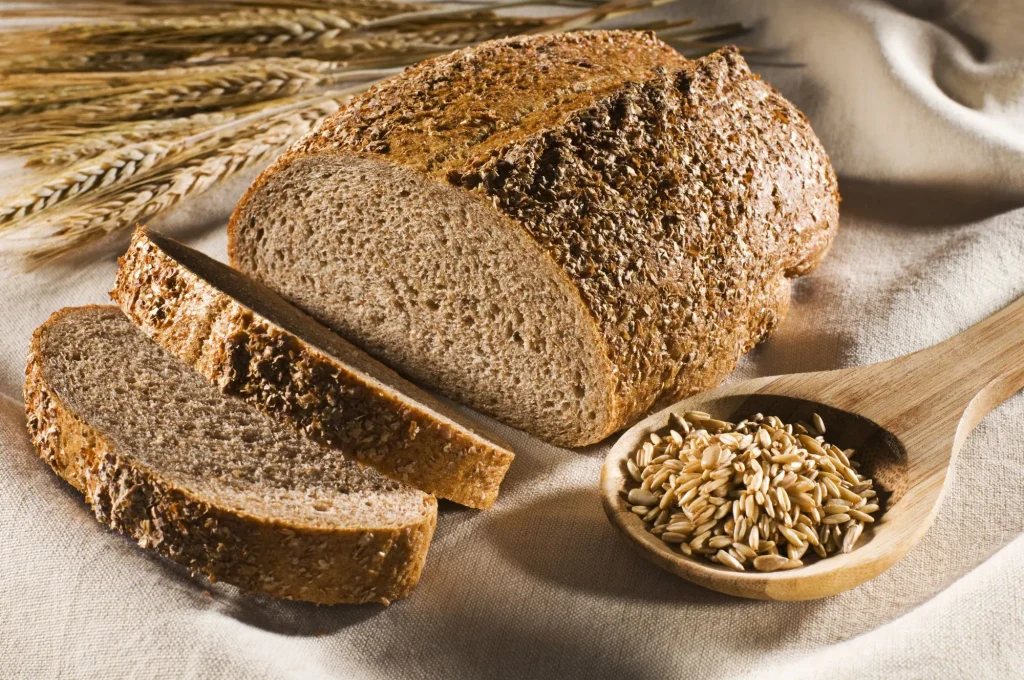
I often counsel patients that it’s important to make the simple switch from refined grains to whole grains. That can be as easy as choosing brown rice over white, whole-wheat bread over white, and whole-wheat pasta over regular. Small changes like these can make a huge difference later in life.
It’s a recommendation from the latest Dietary Guidelines for Americans – make half your grains whole. Whole grains include barley, quinoa, bulgur, whole-grain crackers, and brown rice.
Now a study by Tufts University researchers finds that switching to whole grains also improves heart health. Researchers investigated why that’s true. They specifically looked at fasting blood glucose levels, waist circumference, systolic blood pressure, and blood triglyceride concentration.
The study analyzed information on the diets, health, and lifestyles of over 3,000 participants in the Framingham Offspring cohort study over 18 years. The individuals were 55 years old (on average) when the project started and had an average body mass index of 27.
Those who ate more whole grains had smaller increases in fasting glucose, waist circumference, and systolic blood pressure compared to those who ate fewer whole grains. Those who ate more refined grains (white bread, white rice, refined grain crackers, packaged cookies, and cakes) had greater increases in waist circumference and less decline in triglycerides.
Related Podcast:
Try adding some whole-wheat flour to baked goods or adding barley to your vegetable soup. Adding quinoa to a salad is a tasty way to add whole grains to your diet.
It’s never too late to make the switch. Even middle-aged adults can benefit from switching to whole grains. Look on the label for the Whole Grain Stamp or choose the breads, crackers, and pasta with the most fiber listed on the nutritional label. Making that simple change may just help keep your blood glucose more stable over time and thereby reduce the risk of diabetes and heart disease.
Q and A
Q: What are net carbs? Sometimes I see them on Nutrition Facts labels.
A: Some carbohydrates, such as fiber and sugar alcohols, are not fully broken down by the body and therefore provide few calories and little or no rise in blood sugar levels. Net carbs refer to the amount of fully digestible carbohydrates in a food. It is calculated by subtracting grams of dietary fiber and half the grams of any sugar alcohols from grams of total carbohydrate. Food manufacturers aren’t required to list net carbs on the label – only total carbohydrates, dietary fiber, sugars, and added sugars. However, if they are listed, they can be helpful to someone following a lower-carb diet or people with diabetes.
Recipe
Zucchini is a favorite of mine. I love that it’s so prolific in most gardens that it forces you to be creative. Grated zucchini can be added to quick breads, casseroles, scrambled eggs and pancakes or fritters to boost nutrient intake. A cup of raw sliced zucchini contains just 20 calories, 1 gram of fiber and 35% of the daily value for vitamin C. Here’s a recipe for zucchini fritters (like pancakes) from Today’s Dietitian.

Zucchini Fritters with Lemony Yogurt Sauce
Servings: 8
1 pound fresh zucchini, grated
1/4 plus 1/2 teaspoon salt, divided
1/3 cup all-purpose flour
1/4 cup grated Parmesan cheese
2 tablespoons thinly sliced green onions
1/2 teaspoon dried Italian seasoning
1/4 teaspoon black pepper
2 large eggs, beaten
2 cloves garlic, minced and divided
2 tablespoons olive oil, divided
1/4 cup nonfat plain Greek yogurt
1/2 cup olive oil mayonnaise
1/4 teaspoon grated lemon zest
1 teaspoon fresh lemon juice
Toss together zucchini and 1/4 teaspoon salt in a large fine mesh strainer or a colander lined with paper towels. Let stand 15 minutes. Press with a large spoon to drain some liquid. Transfer zucchini to a clean kitchen towel and squeeze to remove all remaining liquid. Stir together zucchini, flour, cheese, green onions, Italian seasoning, pepper, eggs, and 1 clove minced garlic in a medium bowl. Heat 1/2 tablespoon oil in a large nonstick skillet over medium heat. Add zucchini mixture in heaping tablespoons to skillet to make 4 fritters. Flatten with the back of a spoon to create thin fritters. Cook until fritters are crisped around the edges and the bottoms are golden brown, about 2 minutes. Flip and cook 1 to 2 minutes longer or until done. Transfer to a paper towel-lined plate. Repeat 3 times with remaining oil and batter. While fritters cook, stir together yogurt, mayonnaise, lemon zest and juice, 1 clove minced garlic, and 1/2 teaspoon salt. Serve sauce with fritters. Serves 8 (2 fritters and 1 tablespoon sauce).
Per serving: 120 calories; 4 grams protein; 7 grams carbohydrate; 9 grams fat (1.5 grams saturated); 50 milligrams cholesterol; 1 gram fiber; 2 grams sugars; 240 milligrams sodium.
COPYRIGHT 2024 CREATORS.COM, CHARLYN FARGO, NUTRITION NEWS

Popular Articles About Nutrition
Originally published August 09, 2024
Author(s):