Why Doesn’t My Grandchild Want to Hug Me?
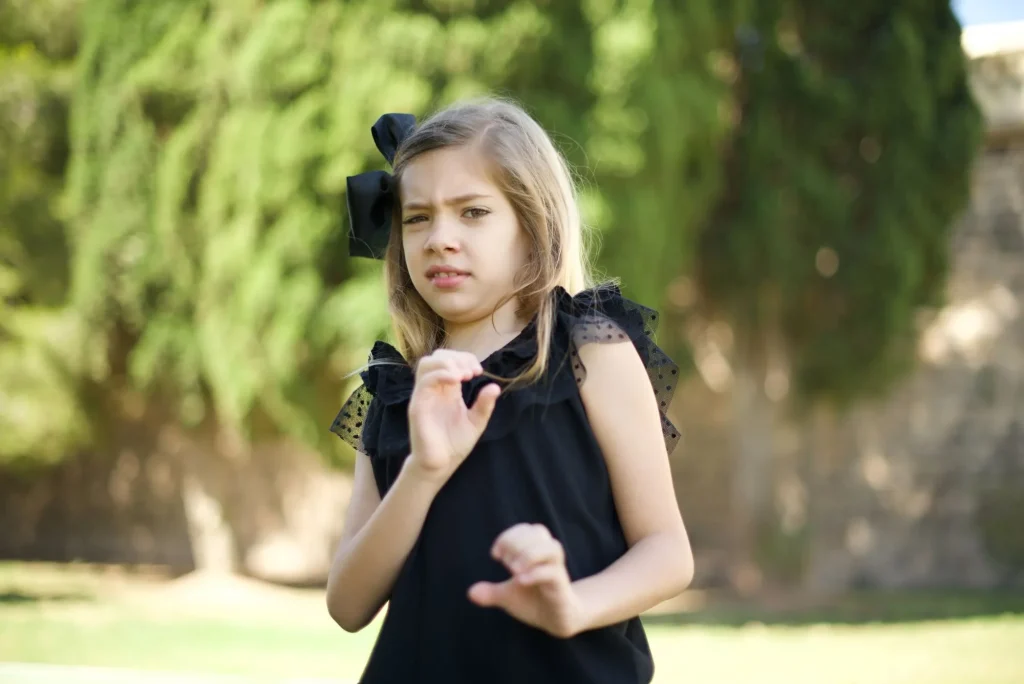
Your grandchildren have just arrived for a family gathering. They burst through the door, a whirlwind of giggles and excitement. With arms wide open, you eagerly step forward, ready to shower them with hugs and kisses. But something unexpected happens. Your youngest grandchild hesitates, taking a step back. As you lean in to kiss another on the cheek, they politely turn their head away. These gentle rejections might leave you feeling puzzled and hurt. After all, when you were a child, physical affection from family was expected.
But times have changed, and there’s a good reason for this shift.
Today, numerous new parenting practices have emerged. While some may not measure up to the traditional methods with which you raised your children, one practice is garnering increasing attention and praise: teaching bodily autonomy. While it may seem strange to you and come across as an effort by parents to impose unnecessary rules, there are indeed valid reasons why an increasing number of parents are requesting that family members refrain from “demanding” hugs and kisses from their children. Bodily autonomy is the idea that every person has a right to decide what happens to their body without pressure or persuasion from anyone else. Children need to be taught to understand this concept from the earliest age, and it’s for their safety. If your grandchild opts not to hug or kiss you at any moment, it should not be taken personally or cause upset. In fact, this practice ensures that children grow up understanding that their body belongs to them, empowering them to have a say in their experiences.
Here’s why bodily autonomy is important and why modern parents are prioritizing this approach.
As the wife of a first responder and a former preschool teacher, I’ve learned over the years that bodily autonomy is SO important, not only for children but for anyone at any age, really. As parents, we want to help our children learn that they have authority over their bodies because a child who feels empowered in this way is less vulnerable to becoming a victim of sexual abuse or assault, less likely to encounter intimate partner violence in the future, and more inclined to disclose any instances of abuse or violation they may face.
Discussing the topic of sexual abuse involving children is a very difficult subject. While we all hope, pray, and even assume that such atrocities will never touch our loved ones, the harsh reality is that they occur far more frequently than we realize.
1 in every 5 girls and 1 in every 20 boys will experience unwanted sexual contact before reaching the age of 18.
RAINN, National Center for Victims of Crime
Tragically, in most cases, the perpetrator is someone known and trusted by the child. This is where the importance of bodily autonomy comes in. By educating children that they have the right to reject unwanted physical contact, we equip them with a powerful defense mechanism.
Although grandparents should be the greatest advocates for our grandchildren, adapting to this new mindset can be challenging. It often feels second nature to swoop in for the hug, insist on the kiss, and hold them tight when they try to squirm away because you just love those little grandbabies so much. Whether you see them daily or once a year, you crave their affection and want them to return the physical displays of your love for them. However, these actions, while well-intentioned, can inadvertently communicate to children that they must comply with others’ demands regarding their bodies.
How to Teach Bodily Autonomy to Children
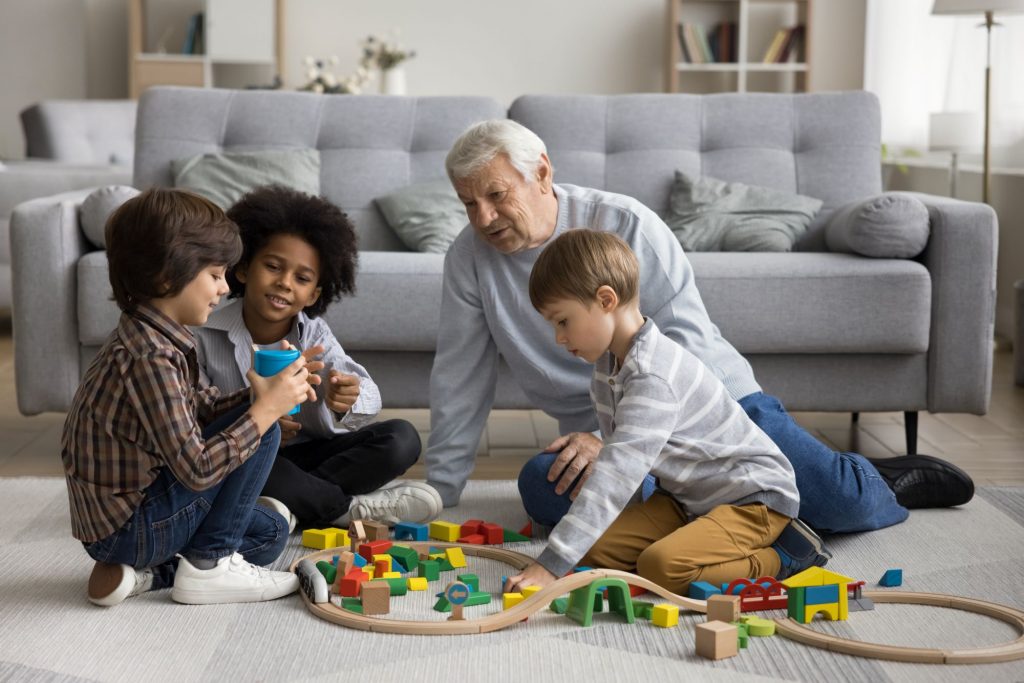
The idea that we should ask for a child’s consent before hugging, kissing, or touching of any kind is very different from past generations. And if you’ve made it this far, you may find yourself agreeing that the reasons for the rise of this trend are compelling. But practically, how do you handle it? How can you help teach this important tool to your grandchildren?
The good news is, it’s really quite simple.
When your grandchild is a baby, it’s the parents whose permission you need. A baby is not a possession that you have a claim on. Always ask parents before picking up, holding, or kissing their baby. Some parents may be uncomfortable with anyone else changing their baby’s diaper or bathing them. Remember, some requests may seem silly to you, but it’s important not to brush aside a request made by a child’s parent.
Once a child is verbal and self-aware, ask them. If you’ve been asking parents for permission up to now, you’ll be quick to remember to ask before you hug your grandkids. And if this is all new to you, it may take a while to get in the habit.
Like anything, keep practicing until it becomes second nature. You will get there, and as parents, we see you trying and it means so much.
How to Ask Your Grandchild for Permission

Ask questions like these:
- Can Grandma give you a hug?
- Would you like to sit on my lap or next to me while we read?
- May I give you a goodbye kiss?
- Can I have a hug or a high five?
Changing or removing the phases “Give your brother/sister a hug to say you’re sorry” or “It’s okay, he/she just keeps poking you to get your attention,” can make an impact as well.
Instead of those phrases, we can teach kids why they should apologize to their siblings, friends, or even an adult. And we can teach them phrases like “no thank you,” or “I don’t want to be touched right now,” to communicate effectively.
Don’t let your disappointment show if the answer is no. It’s cause for celebration if your grandchild feels comfortable refusing a request from an adult for physical affection. It has nothing to do with you and doesn’t lessen their love for you in any capacity.
Don’t act surprised if your grandkids know their bodily anatomy.
When we discovered we were expecting our first child, we had a thorough discussion on this matter. We decided that our firstborn, and any future children, would be educated about their own bodily anatomy for their safety. Don’t get me wrong, we’ve gotten some weird looks over the years, but I would gladly endure those looks to ensure that my children are informed about their bodies. This knowledge means that if any issues arise, they can communicate effectively and be taken seriously. It might initially feel awkward, as it did for me, but believe me when I say that enduring a brief discomfort with terminology is a small price to pay for the safety and well-being of these children.
Today’s parents have far more information at their fingertips than past generations. As overwhelming as it can be at times, there exists valuable resources like this one to aid in ensuring that the next generation grows up even better than the preceding one. To really support parents as they raise our grandkids, it’s important to be respectful of different parenting styles. Even if you think it’s a little (or a lot) strange. If you want to learn more about bodily autonomy, here are a few resources you can explore. And most importantly, remember that this new-age parenting style is there to keep kids safe, healthy, and secure:
- Teaching Body Autonomy
- Autonomy in Children: Teaching Kids About Consent
- DEVELOPING APPROPRIATE, EFFECTIVE BODILY AUTONOMY SOCIALIZATION STRATEGIES FOR YOUNG CHILDREN

Popular Articles About Grandparenting
Originally published November 18, 2024
Author(s):