Why You Don’t Want to Be a Couch Potato
Marilyn Murray Willison, Positive Aging

It’s no secret that whatever our age happens to be, physical exercise is essential. But the sad fact is that inactivity seems to invariably increase with the passing years. By the time we’re in our 30s, we can lose 3% to 5% of our muscle mass with each decade. By age 75, about 1 in every 3 men and 1 in every 2 women engage in no physical activity whatsoever. The brutal truth is that we all need to exercise—consistently, if not intensely—to rebuild the muscle tissue that time takes away. And since muscle affects balance, bone density, and overall strength, less muscle mass can directly compromise our mobility and ability to live independently.
But that’s not the only reason why we should exercise.
The Effects of Exercise on the Brain
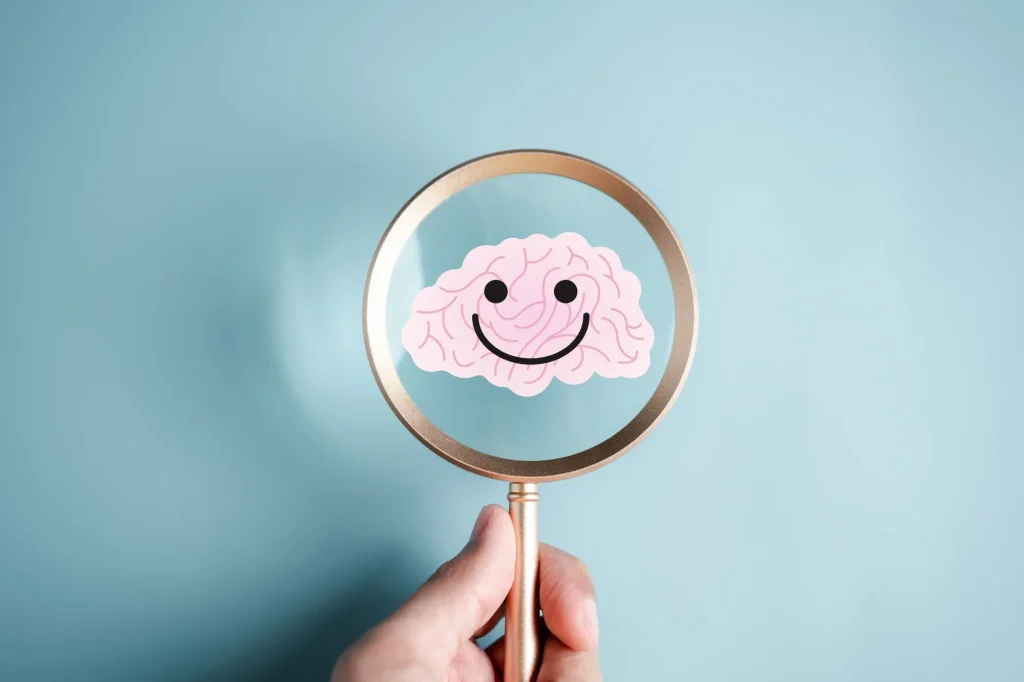
Exercise can positively affect our brain as well. People who walk briskly three or more times a week have a 35% lower risk of dementia than their sedentary peers. A study by Dr. Ingmar Skoog, a professor of psychiatry and director of the AgeCap Centre for Ageing and Health at the University of Gothenburg was designed to evaluate the cardiovascular fitness of 191 women ages 38 to 60 years old. He and his researchers found that being physically fit at midlife definitely lowers a woman’s risk of dementia.
But regardless of your gender or age, there are plenty of reasons to make exercise a regular part of your healthy lifestyle. Here are just a few of them:
- It can increase the number and health of our bodies’ mitochondria, which helps reverse aging at the cellular level, especially if the exercise is intense.
- It improves the microbiome, which ultimately fights inflammation, lowers body weight, and strengthens the immune system.
- It can decrease the time it takes for an older person’s wound to heal by as much as 25%. A fit body can fight off infections better and recover from injury or illness faster.
- It may, according to the National Institute of Aging, delay or prevent a variety of illnesses including cancer, diabetes, heart disease, osteoporosis, and stroke.
- It helps increase balance, functional reach, and stability, which reduce the risk of falls. Falls happen to be the No. 1 injury (to hips and other bones) among seniors.
- It improves quality of life by relieving depression, elevating mood, improving memory, and fighting cognitive decline.
- It helps lubricate arthritic joints and lower pain and stiffness.
- It particularly benefits those who exercise consistently, even if they can’t do intense workouts.
While researching the benefits of exercise for baby boomers recently, I came across a rather surprising Australian study on lab rats. It made a very powerful argument about the possible benefits for (SET ITAL) older adults (END ITAL) of exercise that took place back when they were (SET ITAL) youngsters (END ITAL). Essentially, the study (which was reported in The Journal of Physiology) found that exercising while youthful can increase the number of cells in rat hearts and that these cells remain active in mature hearts. Subjects that didn’t exercise until adulthood, however, developed larger cardiac muscle cells, not more of them. And since a heart attack immediately kills tens of millions of cells, this is one area in which quantity can be even more important than quality.
More Exercise Resources
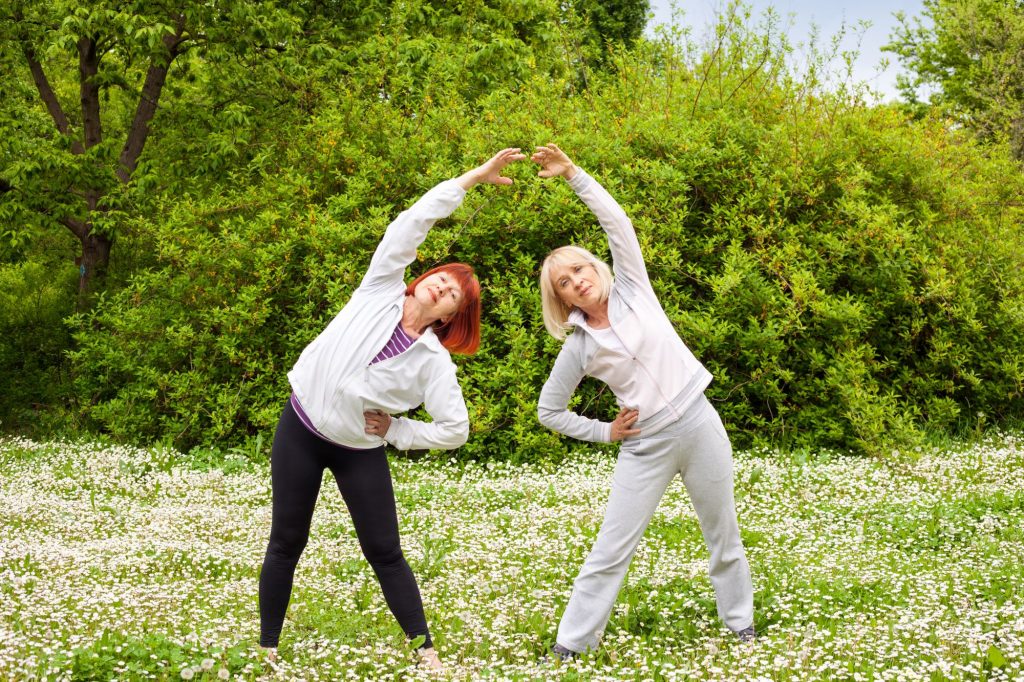
Exercise is important for our overall health and well-being! If you want even more great articles like this one, check these out before you go:
- 5 Ways Exercise Can Help Boost Your Mood
- Easy-to-Do Exercises for Seniors Who Want to Maintain Independence
- Zumba Gold and 4 Other Exercise Classes for Boomers
- The Benefits of Air Ball Exercises for Seniors
- Benefits of Cardio Exercises for Seniors
COPYRIGHT 2024 CREATORS.COM

Popular Articles About Exercise and Active Lifestyle
Originally published July 30, 2024
Author(s):