Find the Right Senior Housing, Retirement Living Made Simple

Congratulations on stepping into retirement (or planning for it!). It’s such an exciting chapter in life! Whether you’re adjusting to a fixed income, celebrating the arrival of a new grandchild, or looking forward to a more relaxed lifestyle, there’s so much to look forward to. But, as we get older, our needs start to evolve, and one of the changes often faced is finding the right place to live.
Okay, we get it. The phrase senior housing might sound a little intimidating. It’s got the word senior in it, and that can feel like a not-so-subtle reminder that we’re all getting older. But here’s the thing—it’s really not about getting old. It’s about opening the door to a new chapter filled with exciting opportunities.
Sure, the idea of researching senior housing might seem overwhelming at first. But the truth is, it’s less about saying goodbye to the life you know and more about saying hello to something even better. It’s finding a home that’s designed to fit you—your lifestyle, your wants, your needs. Whether you’re all about independence and enjoying a social, maintenance-free life, or you need more support through assisted living, there’s an option that’ll make you feel right at home.
Now, let’s break it all down so you can see which option makes the most sense for you.

What to Think About BEFORE Choosing Senior Housing
There’s a lot to think about. Here are a few things to consider:
1. Location – Where do you see yourself living? Maybe you want to stay close to family and friends, or perhaps you dream of moving somewhere with sunny weather and lots of outdoor fun. Think about what’s most important to you when it comes to location—it can make a big difference in how happy and comfortable you feel.
2. Cost – Senior housing can vary a lot in price, so it’s important to know your budget. What can you afford, and what’s included in the cost? Some places cover things like meals, transportation, or activities, so look closely at what you’re getting for your money.
3. Level of Care – What kind of help do you need? If you need assistance with daily tasks or have specific health needs, make sure the option you choose can provide the proper care. It’s all about finding a place that fits your situation.
4. Amenities and Services – What kind of extras are important to you? Maybe you’d enjoy group activities, fitness programs, or transportation to appointments. Or perhaps you want meal plans that take the stress out of cooking. Make a list of the services that matter most to you.
5. Community Vibes – What kind of community feels right? Do you picture yourself in a close-knit, social environment with plenty of events and new friends? Or would you prefer a quieter place with more independence? Knowing what kind of community fits your personality will help you make the best choice.

Here’s a simple guide to some of the most common options, so you can choose what fits your lifestyle and needs.
Assisted Living
If you’re looking to stay active but need a bit of extra help, assisted living could be a great choice. These communities usually offer private or semi-private apartments and shared spaces. You’ll have access to services like medication management, help with daily tasks, and even housekeeping. Plus, many assisted living facilities go the extra mile with extras like salons or private dining rooms!

Top 10 Highest-Rated Assisted Living Communities Near New York City

2025 Assisted Living Costs in Los Angeles

7 Signs That Assisted Living Is Right for You
Senior Cohousing
Love being part of a close-knit community? Senior cohousing is all about neighbors working together. You’ll have your own place but share communal areas with others—like a big family that swaps stories, responsibilities, and meals in a shared space like a common house. It’s perfect if you’re looking for social connections and value teamwork.

How to Advertise for a Senior Roommate in Florida

What’s the Difference Between Cohousing and Shared Housing for Seniors?

What Are the Benefits of Senior Cohousing?
Manufactured, Mobile & Modular Homes
Looking for budget-friendly senior housing? Factory-built homes are affordable, easy to maintain, and often part of 55+ communities with perks like clubhouses and pools. These homes give you independence while keeping costs manageable.

Best Senior-Friendly Mobile Home Parks Near Denver

Top 8 Highest-Rated Senior-Friendly Mobile Home Parks Near New York City

5 Smart Tips for Downsizing and Decorating Your Mobile Home
Senior Apartments
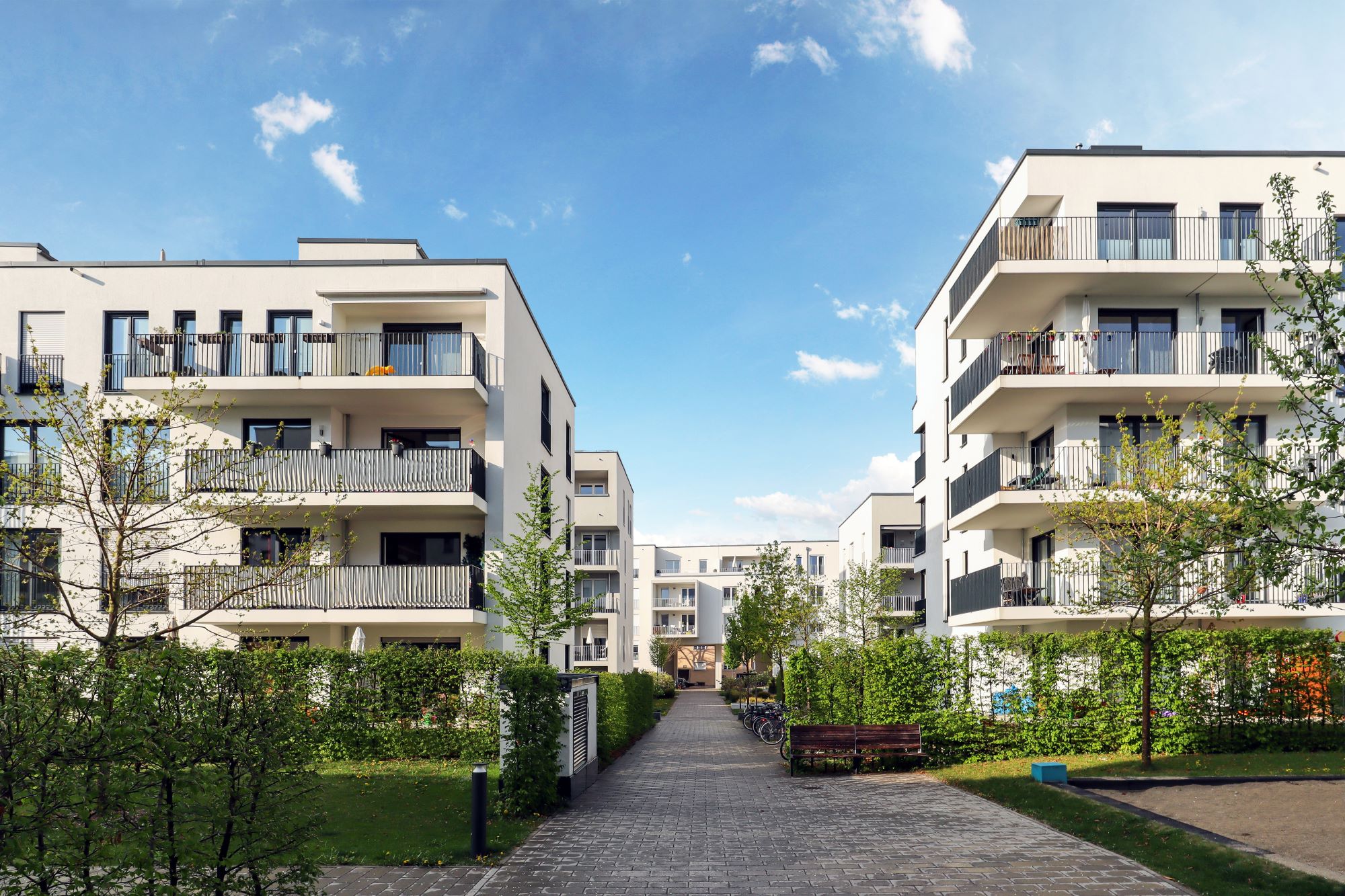
Senior apartments are tailored for older adults, often with safety features like grab bars or handicap-accessible layouts. They’re usually more affordable than traditional housing and come with options like laundry services, on-site amenities, or even social activities.

10 Easy Decorating Tips for Senior Apartments

How to Find the BEST Senior Apartments Near You
Choosing a Senior Apartment for 55+ Living: 10 Questions You Can’t Afford to Ignore
Shared Housing
Shared housing is when two or more people share a living space for mutual benefit. Housemates usually agree on terms involving split rent and/or help with home maintenance, though each arrangement is unique. Many shared housing programs aim to match seniors with younger housemates, who, in exchange for cost-free housing, can serve as a companion, help cook and clean, or even do grocery shopping and other errands.

Roommates for Boomers: 5 Ways Sharing Your Home Can Save You Money
How to Advertise for a Senior Roommate in Florida

A Guide to Living Together: 7 Tips for Seniors and College Students
Nursing Homes
A nursing home is a living option for seniors who need a higher level of care or medical attention than assisted living provides. Nursing homes are equipped with direct care nursing staff, available 24-7. Also employed are administrators and support staff, such as food workers, custodians, and social workers. Common nursing home amenities include beauty salons, common rooms, art classes, and laundry services, though every location is different.

Top 6 Best Nursing Homes Near Seattle

Hale Ho Aloha and 4 More of the Top-Rated Nursing Homes Near Honolulu!

4 Differences Between Assisted Living and Nursing Homes
Skilled Nursing Facilities
If you need short-term medical care or rehabilitation after an illness or surgery, skilled nursing facilities could work for you. Staff provide services like therapy, wound care, or catheter management. The goal here is usually recovery before heading home. Remember, skilled nursing facilities are short-term, while nursing homes are designed for long-term stays.
Senior Housing and Retirement Communities
Retirement communities are designed for 55+ adults with active lifestyles. You’ll live independently but enjoy shared amenities like clubhouses, fitness centers, or community events. They’re often budget-friendly, offering services like maintenance and groundskeeping. Think of it as a neighborhood filled with opportunities to socialize and stay active.

Top 9 Highest-Rated Retirement Communities Near New York City

Top 9 Retirement Communities Near San Diego

Best Retirement Communities Near Colorado Springs
Read More About Senior Housing & Retirement Living

5 Places Retired Boomers Choose to Live

How Do I Help My Aging Parents Choose the Right Senior Housing?

Independent Living & 5 More Popular Senior Housing Choices

99 Essential Retirement Tips For Baby Boomers
Senior Housing FAQ
What Is Senior Housing? Who Is It For?
Senior housing is any type of living option designed for older adults, usually 55+. It includes everything from low-maintenance apartments to full-care facilities for those who need medical support. Whether you want independence or extra help, there’s something for everyone.
What Are the Types of Senior Housing?
- Independent Living: Great for active seniors who want a simpler lifestyle without help with daily tasks.
- Assisted Living: Offers housing and support for things like medication, personal care, and meals.
- Nursing Homes: Provides 24/7 medical care for those with serious health needs.
- CCRCs: These communities cover everything—independent living, assisted living, and nursing home care—in one place.
- Senior Apartments: Affordable rentals with safety features like grab bars and ramps.
- Cohousing: A shared community where everyone has private homes but enjoys common spaces and communal activities.
- Manufactured Homes: Affordable, factory-built homes, often in senior-friendly communities.
How Do I Pick the Right Home?
Think about what you or your loved one needs most: Do you need daily help or medical support? What can you realistically afford? Do you want to stay near family or move somewhere sunny? Are you looking for an active social life or a quiet spot?
How Much Does Senior Housing Cost?
Prices vary depending on the type of senior housing. Independent living is usually less expensive, while nursing homes can cost the most (over $9,700/month). Senior apartments and manufactured homes are often budget-friendly.
Are There Affordable Options?
Yes! Senior housing can be affordable. Check out senior apartments, subsidized housing, or look for programs like Medicaid, Veterans Benefits, or state-funded options. The US Department of Housing and Urban Development (HUD) is a fantastic resource for seniors.
What Amenities Can I Expect?
Senior housing often includes helpful perks like: meals and dining options, housekeeping and laundry services, fitness centers, social activities and community events, and transportation for appointments or errands. Each community is a little different, so be sure to ask what’s included.
What if My Needs Change Later?
Some communities, like CCRCs, offer different levels of care. That means you can start with independent living and move to a higher level of support if you need to.
How Do I Find Senior Housing Nearby?
Search online directories, contact local agencies for aging, or ask family and friends for recommendations. Visiting communities in person is always a great idea to see if they feel like a good fit.
Can I Bring My Pet?
Many senior housing communities welcome pets, but policies vary. Check with each community to confirm their rules.
What’s the Difference Between Assisted Living and Nursing Homes?
Assisted living is for people who need help with daily tasks like bathing and medication but are mostly independent. Nursing homes are for those needing constant medical care and supervision.
How Can I Prepare for a Move?
Start by downsizing and bringing only what you’ll need or cherish most. Pack personal items, medications, and a little décor to make your new home feel cozy. Don’t stress—there’s a community out there ready to welcome you!