10 Essentials You Shouldn’t Overspend on While Traveling in Retirement

Many retirees look forward to traveling, but managing your finances wisely can ensure your savings last throughout your retirement years. While it’s tempting to splurge on certain aspects of travel, being mindful of your budget can help you make the most of your adventures without compromising your financial security. Here are ten things you should never overspend on during retirement travel.
1. Luxury Accommodations

Staying in high-end hotels or resorts can quickly deplete your travel budget. While indulging in luxury is okay in moderation, consistently booking expensive accommodations isn’t necessary to enjoy your trip. Consider alternative options like vacation rentals, bed and breakfasts, or boutique hotels.
Websites like Airbnb and Vrbo offer a wide range of affordable and comfortable lodging options. Additionally, many retirees enjoy house swapping, which can provide a unique and cost-effective way to stay in desirable locations.
Beyond traditional lodging, consider staying in hostels or budget hotels, which often provide basic amenities at a fraction of the cost. Many hostels now offer private rooms, allowing for comfort and privacy without the high price tag.
You can also stay with family and friends, which can be a great way to catch up and save on accommodation costs. If you’re adventurous, consider camping or glamping, which can offer a unique and affordable way to experience nature and local attractions.
2. First-Class Flights

Flying first-class may offer comfort and convenience, but the hefty price tag can significantly impact your travel budget! Instead, look for ways to save on airfare. Use flight comparison websites like Skyscanner or Google Flights to find the best deals.
Consider flying economy or premium economy, which often provides a comfortable experience at a fraction of the cost. Additionally, joining frequent flier programs and using travel reward credit cards can help you accumulate miles and points to reduce the cost of flights.
Another strategy is to book flights during sales or use fare alerts to track price drops. Be flexible with your travel dates and times, as flying mid-week or during off-peak hours can result in cheaper fares.
Lastly, consider budget airlines, which often offer lower prices but may have fewer amenities. Remember to read the fine print and factor in any additional fees for baggage or seat selection. Lastly, if your schedule allows, consider taking longer flights with layovers, as they can be significantly cheaper than direct flights.
3. Expensive Meals

Dining out at fancy restaurants every night can be a major expense. While it’s enjoyable to experience local cuisine, there are ways to do so without breaking the bank. Opt for dining at local eateries, street food vendors, or markets, where you can often find delicious and authentic meals at reasonable prices.
Cooking some of your meals can also save money, especially if you’re staying somewhere with a kitchen. Additionally, many restaurants offer lunch specials that are more affordable than dinner menus.
To further save on food costs, consider shopping at local grocery stores for snacks and beverages. You can also prepare simple meals like sandwiches or salads, which are easy to make and perfect for picnics. When dining out, look for restaurants that offer happy hour specials or early bird discounts.
Additionally, avoid touristy areas where prices are often inflated; instead, ask locals for recommendations on good, affordable food. Exploring the local food scene on a budget can be a fun and rewarding part of your travel experience.
4. Guided Tours and Excursions
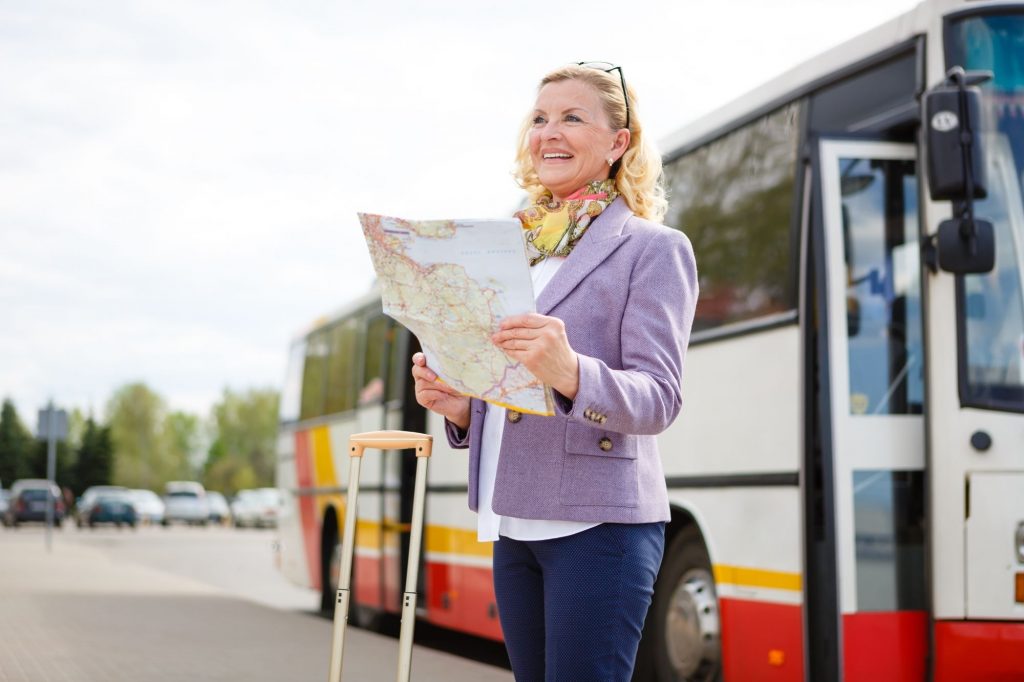
Guided tours and excursions can be costly, and while they offer convenience, you can often explore and enjoy many destinations on your own. Do some research and plan your itinerary to visit attractions independently.
Many tourist sites provide free or low-cost self-guided tours or have informative signage and brochures. If you prefer some guidance, consider using apps or audio guides that can provide valuable information without the high cost of a guided tour.
Another option is to join free walking tours, which are often led by local volunteers and provide insightful information about the destination. These tours typically operate on a tip basis, allowing you to decide how much to contribute based on your budget.
Additionally, consider renting a bike or using public transportation to explore the area at your own pace. Many cities offer day passes for unlimited travel on buses and trains, making it an affordable way to see multiple attractions.
5. Souvenirs and Shopping

It’s easy to get carried away with buying souvenirs and gifts for friends and family, but these purchases can add up quickly. Instead of spending money on trinkets that may end up collecting dust, focus on capturing memories through photographs and journaling. If you do want to bring back a memento, consider purchasing something small, meaningful, and unique to the destination. Handcrafted items from local artisans often make thoughtful and affordable souvenirs.
To save money on shopping, set a budget for souvenirs and stick to it. Avoid shopping in tourist areas where prices are often marked up. Instead, visit local markets or artisan fairs, where you can find unique items at reasonable prices. Another tip is to buy practical souvenirs that you can use or wear, such as local clothing, jewelry, or kitchenware. Remember—the most valuable souvenirs are the memories and experiences you collect during your travels, not the material items.
6. Car Rentals

Renting a car can be convenient, but it’s often an unnecessary expense, especially in cities with reliable public transportation. Before renting a car, research the public transit options available at your destination. Many cities have extensive bus, tram, or subway networks that are affordable and efficient.
Consider walking or biking to explore the area, which can provide a more immersive and enjoyable experience. If you do need a car, look for deals and discounts, and consider renting a smaller, more fuel-efficient vehicle.
Consider using rideshare services like Uber or Lyft for shorter trips. Many cities also offer car-sharing programs, which allow you to rent a car for a few hours at a time. If you’re traveling with a group, splitting the cost of a rental car can also make it more affordable. Another tip is to avoid renting a car at the airport, where prices are often higher due to additional fees and taxes. Instead, rent a car from a location in the city to save money.
7. High-Season Travel
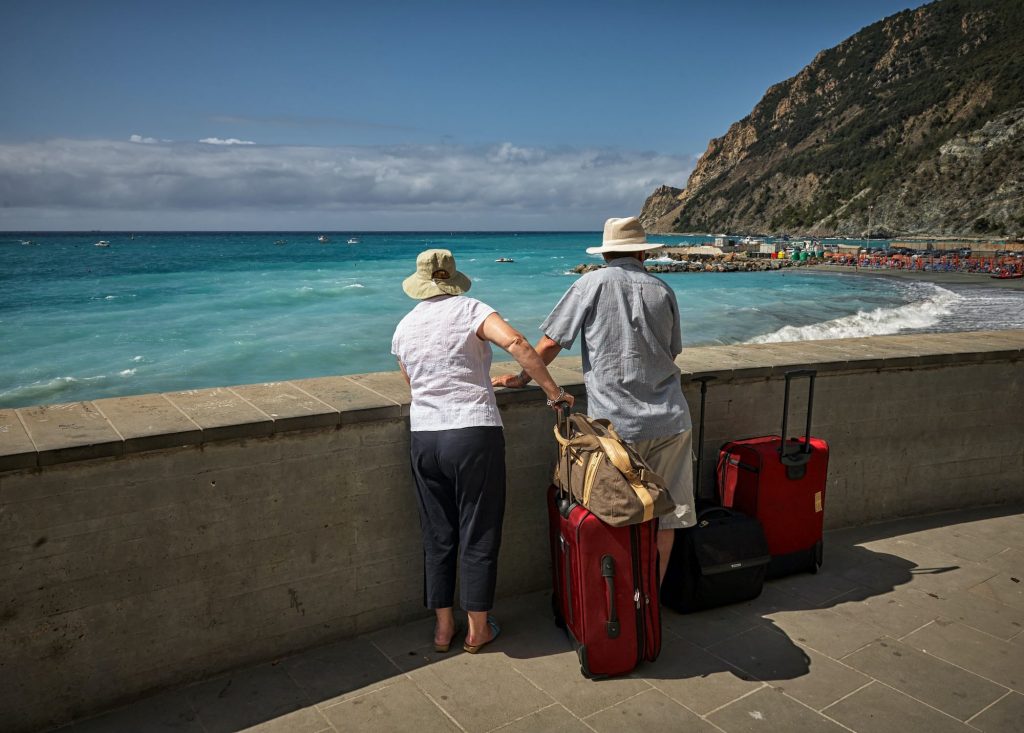
Traveling during peak seasons can be significantly more expensive due to higher prices for flights, accommodations, and attractions. To save money, consider traveling during the off-season or shoulder seasons, when prices are lower, and crowds are smaller.
This can also enhance your travel experience, as you’ll have more opportunities to interact with locals and enjoy a more relaxed pace. Additionally, traveling during off-peak times can allow you to take advantage of last-minute deals and discounts.
Research the best times to visit your desired destination, as each location has its own peak and off-peak seasons. For example, Europe can be more affordable and less crowded in the spring and fall, while tropical destinations may offer better deals during the rainy season.
Traveling during the shoulder season can also provide a balance between good weather and lower prices. Additionally, booking your trip well in advance can help you secure lower rates for flights and accommodations.
8. Over-Packing

Packing too much can lead to additional costs, such as overweight baggage fees and the need for extra luggage. Before you pack, make a list of essential items and stick to it. Choose versatile clothing that can be mixed and matched to create multiple outfits, and limit the number of shoes and accessories you bring.
Many destinations have laundry facilities or services, allowing you to pack lighter and do laundry during your trip. Additionally, packing light makes it easier to move around and reduces the risk of lost or damaged luggage.
To further streamline your packing, consider using packing cubes or compression bags to maximize space in your suitcase. Roll your clothes instead of folding them to save space and minimize wrinkles. Pack travel-sized toiletries or buy them at your destination to avoid carrying large bottles.
Invest in lightweight, durable luggage that’s easy to carry and meets airline size requirements. By packing smart and light, you can reduce stress and avoid unnecessary expenses during your travels.
9. Travel Insurance Overkill
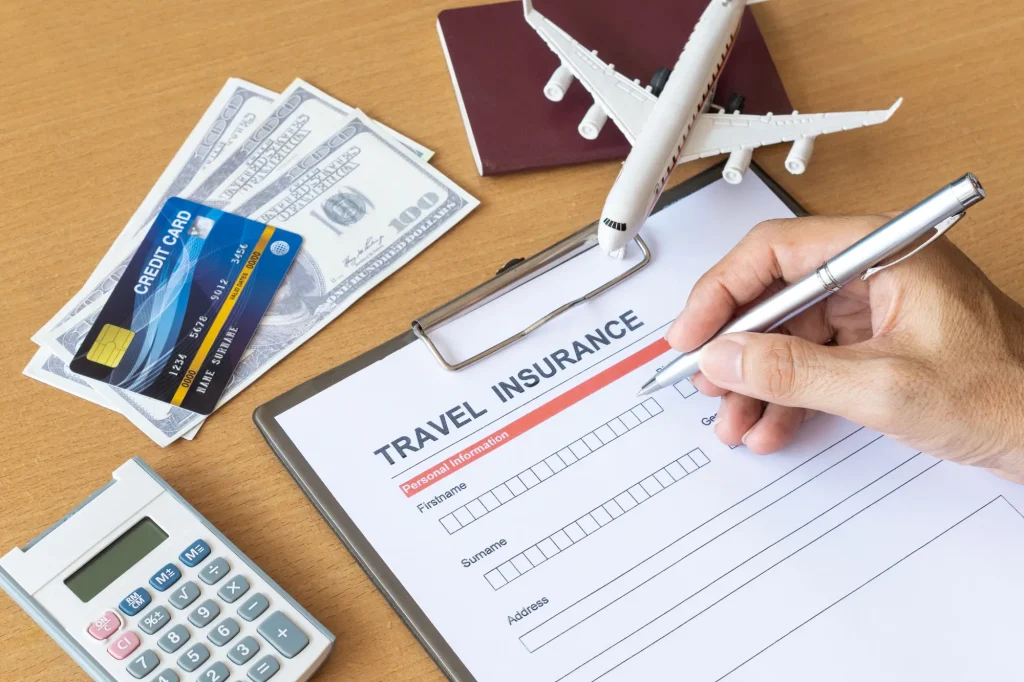
While travel insurance is important, choosing the right coverage without overspending is essential! Assess your needs and select a policy that provides adequate protection without unnecessary add-ons. Look for plans that cover medical emergencies, trip cancellations, and lost luggage, but avoid paying for coverage you don’t need.
Some credit cards offer travel insurance benefits, so check if you’re already covered before purchasing a separate policy. Additionally, compare different insurance providers to find the best rates and coverage options.
To determine the right level of coverage, consider factors such as your health, the destination’s medical facilities, and the overall cost of your trip. If you’re traveling to a country with high medical costs, it may be worth investing in more comprehensive coverage. Conversely, if you’re visiting a destination with low healthcare costs, a basic policy may suffice.
Be sure to read the fine print and understand the terms and conditions of your policy, including any exclusions or limitations. By choosing the right travel insurance, you can protect yourself without overspending.
10. International Phone Plans

Using your phone abroad can lead to hefty roaming charges if you don’t have the right plan. Instead of paying for an expensive international phone plan, consider other options. Many destinations offer affordable local SIM cards that provide data and calling services at a fraction of the cost. You can also use Wi-Fi to make calls and send messages through apps like WhatsApp, Skype, or FaceTime. Before you travel, check with your mobile carrier to see if they offer any international plans or packages that fit your needs.
Consider using free messaging apps to stay in touch with family and friends to cut costs. Many cafes, restaurants, and public spaces offer free Wi-Fi, allowing you to connect without using mobile data. If you need to make international calls, look for internet-based calling services that offer low rates or free calls.
Turn off data roaming on your phone to avoid accidental charges and use offline maps and apps to navigate without using data. By managing your phone usage wisely, you can stay connected without overspending.
Conclusion

Traveling during retirement can be an enriching, fulfilling experience, but it’s important to manage your finances wisely to ensure your savings last. By being mindful of your spending and avoiding unnecessary expenses, you can enjoy your travels without compromising your financial security. Focus on creating meaningful experiences, connecting with locals, and exploring new places without overspending. With careful planning and a budget-conscious approach, you can make the most of your retirement travel and create lasting memories!
On the hunt for more great articles like this? Then check out our Retirement Lifestyle Blog!

Popular Articles About Travel
Originally published July 16, 2024
Author(s):