10 Signs It’s Time to Consider Senior Housing

Talking about senior housing can be a tough conversation. This reality hit me on a personal level a couple of years ago when we started to notice signs that my grandmother needed some extra support. The idea of moving her out of her longtime home felt overwhelming, but so did keeping her in a situation that just didn’t feel safe anymore.
If you’re contemplating having a conversation about senior housing with a loved one or have been wondering whether it’s time to consider this option for yourself, here are some signs that helped my family make a decision. I hope they can help your family, too.
1. Housekeeping Tasks Are Overwhelming

Grandma had always been one of the tidiest people I know. You could practically eat off her floors, and she prided herself on keeping a spotless home. A couple of years ago, though, we started to see some shifts in this area. Laundry was piling up. She wasn’t making her bed, and dishes were left sitting in the sink.
After noting this concern, we started by bringing in a housekeeper once a week, but it wasn’t enough to keep up with everything that needed to be done in her home. This was one of our first indicators that it might be time to look into different living arrangements, and senior housing was an option we discussed.
2. Personal Hygiene is Declining

Along with taking care of her home, Grandma was always meticulous about caring for her appearance and personal hygiene. This was the woman who set her hair every night and put on lipstick every morning. When we noticed she was frequently skipping showers, wearing the same shirt for an entire week, and leaving her hair unbrushed, it was a strong indication of a potential decline in her mental or physical health. Maintaining self-care routines was perhaps becoming too challenging.
We sat her down for a conversation and brought these concerns to her doctor’s attention. After an assessment, he determined there might be some cognitive decline and suggested senior housing. His thoughts were that the supervision and assistance with bathing, grooming, and dressing would help to keep her safe while helping her maintain her highest level of independence for as long as possible.
3. Home Maintenance Falling Behind

A well-loved home takes work, and we were always willing to step in and help Grandma when she needed it. We hired a lawn service, had a handyman on call for small repairs, and helped her arrange annual deep cleaning tasks like pressure washing and cleaning baseboards. Grandma had always been good about remembering these tasks and calling to schedule the handyman or lawn person herself, but something shifted. These things were being neglected with increased frequency. Maintaining the home had become too much.
Senior communities offer maintenance-free living, so there’s no stress about mowing the lawn or fixing a leaky faucet. When we started to notice these changes in Grandma, the appeal of having someone simply manage the tasks without her (or us) having to worry about them became quite appealing.
4. Safety Concerns at Home

Perhaps one of our biggest indicators that it was time to look into senior living came when Grandma was hospitalized for a fall. It happened when she was stepping out of the shower, and no one was home to provide her with assistance. Thankfully, she was able to reach 911 and get help. While in the hospital, her doctor assessed her balance and gait. He discussed the danger of frequent falls and concerns about navigating stairs and slippery floors.
Grandma’s home had once felt safe, but now we worried it might pose serious risks to her health and safety. Designed with safety in mind, senior housing felt like the right choice. With features like grab bars, emergency call systems, and staff available to help when needed, we knew Grandma could enjoy a high quality of life in a supportive community and receive the help she needed to maintain her independence and longevity.
5. Forgetfulness and Missed Appointments

Everyone forgets things now and then, but when Grandma frequently missed doctor’s appointments, forgot to pay the mortgage or utility bills, or left the refrigerator open or stove on, we worried these things could be warning signs of Alzheimer’s or some other form of dementia. A doctor’s visit was in order, and she received a thorough assessment while in his care. His evaluation determined there was some cognitive decline, and that’s when we decided Grandma needed additional support.
Since we couldn’t move Grandma in with us full-time or pay the cost for around-the-clock home care, we looked into assisted living facilities. We found a fantastic option with a separate memory care unit that Grandma can move into in time, should her dementia progress. Her facility provides reminders and support to ensure that important tasks don’t slip through the cracks. This is one of the many advantages of a senior living community.
6. Changes in Eating Habits

This isn’t something that we experienced with Grandma, but changes in eating habits are another thing that our doctor warned us to watch for. Take a look in the fridge—check for expired groceries, outdated takeout containers piling up, or a lack of food. When a senior fails to consume enough food and meet their nutritional needs, it can lead to serious health issues. They might experience this if they forget to shop or eat because of dementia. Another reason could be that getting to the grocery store and cooking meals has become a struggle.
If your loved one is losing weight or showing other signs that they aren’t meeting their nutritional needs, a senior living community might be worth looking into. Facilities have dining spaces and professional chefs on staff to ensure that a senior’s dietary needs are met with three meals and snacks offered each day. The social nature of the facility can also make dining more enjoyable, which can help to spark an appetite and encourage your loved one to remember mealtimes.
7. Increased Loneliness and Isolation
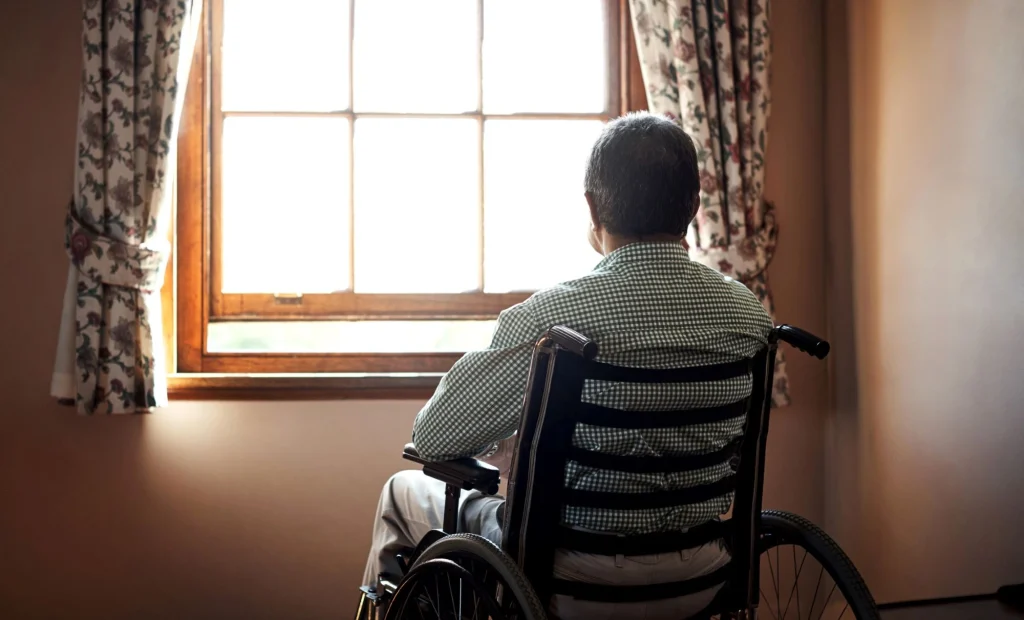
Social isolation is an immense concern for seniors, and research tells us it leads to depression and an increased risk of cognitive decline. When we started to notice that Grandma was spending more time at home alone and less frequently attending social functions, the need for a change felt imminent. She was barely leaving the house and no longer engaging in hobbies she once loved. We tried to spend as much time as possible with her, but with busy work and school schedules, that was challenging.
A primary goal that helped us decide to move Grandma to a senior community was to increase her options for social engagement and time spent with other people. She found a sense of belonging in the senior living and assisted living community by making friends and becoming close with some of the staff. This helped alleviate feelings of isolation and made her feel safer and more dignified.
8. Health Issues Are Becoming More Frequent

Are trips to the doctor becoming more common for your loved one? This is something we experienced with Grandma when frequent falls, difficult-to-diagnose illnesses, and hard-to-regulate blood pressure and diabetes started to feel like daily occurrences. Living alone was no longer the safest option if we wanted to support her health and help ensure her longevity.
In a senior living community, doctors, nurses, and other medical professionals are available during scheduled hours and around the clock for emergency care. Moving Grandma to this environment helped to provide her with the care and monitoring she needed, providing our family with peace of mind.
9. Caregiver Burnout and Exhaustion

Some great advice that a doctor once gave me was to always consider how I felt on this journey of providing care to an aging loved one. Once caregiving had become too emotionally and physically exhausting, I knew that I needed help as much as Grandma needed help, and it was okay to prioritize my needs, too.
Senior housing provided my family with valuable professional support, ensuring my aging loved one got the care she needed. This allowed me to maintain my own life and a healthy relationship with her.
10. Recognize Gut Feelings
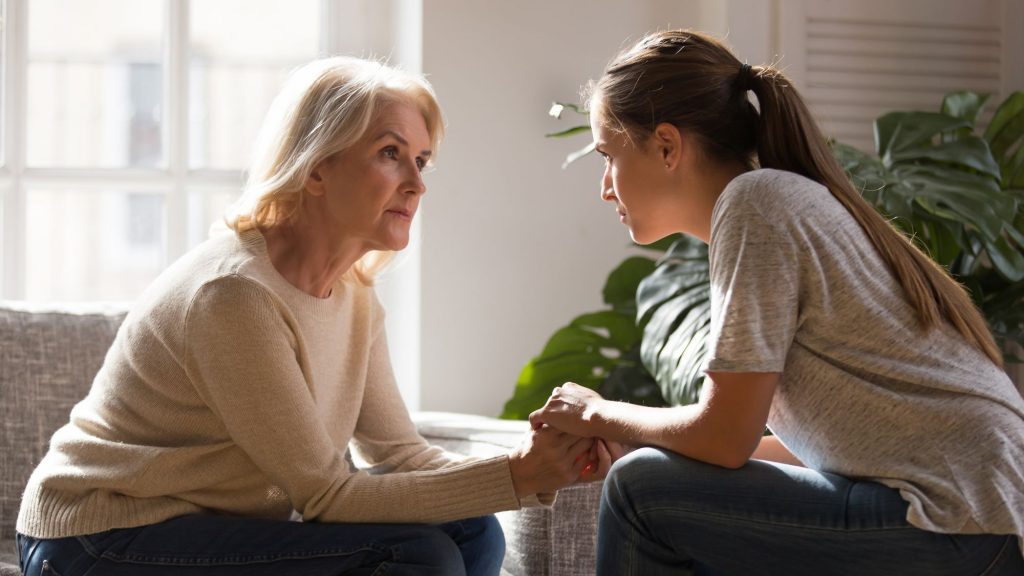
Sometimes, you just know. While we had some pretty obvious red flags with Grandma, we also just knew she was undergoing change and would benefit from having more care and support regularly.
A combination of little things and less obvious changes made us feel uneasy about seeing her continue to live alone and manage so many things independently every day. If you experience this, trust your instincts. It’s worth it to explore your options and ask your senior loved one how they’re feeling, too.
Takeaway
Deciding to move into senior housing isn’t about giving up independence—in fact, it can help protect independence and longevity and provide opportunities to continue to enjoy the best possible quality of life. That’s what we found for our grandmother, and if you’re a senior or a family caring for a senior, it’s what senior living can offer you, too. Whether it’s independent living, assisted living, or memory care, senior community options provide support while empowering you to maintain dignity and enjoy life to the fullest.
If you’ve noticed these or other concerning signs in yourself or an aging loved one, sit down and have these important conversations about health, safety, and quality of life. Involve doctors and turn to other senior care resources for support. You’re not alone on this journey. Moving to a senior living facility just might help to make life a little easier and relationships more positive for everyone.
Click here to find nursing homes near you.
Image Credit: izusek / Getty Images | https://www.shutterstock.com/g/ComZeal | Shutterstock | Getty Images

Popular Articles About Senior Housing
Originally published April 25, 2025
Author(s):