15 Worst Things People Do at the Beginning of Retirement

Retirement is a significant milestone that many look forward to, envisioning a life of leisure, travel, and the freedom to pursue hobbies. However, transitioning from a structured work life to the uncharted territory of retirement can be challenging. Unfortunately, many retirees make mistakes at the beginning of their retirement journey that can have long-lasting consequences. Here are the 15 worst things people do at the beginning of retirement and how to avoid them.
1. Claiming Social Security Benefits Too Early
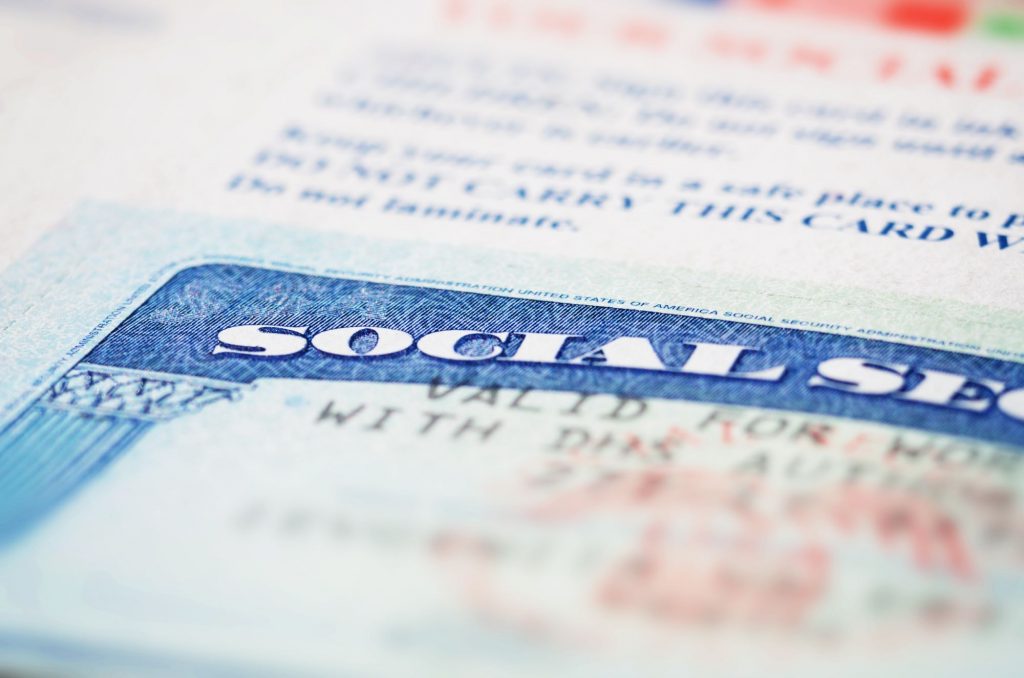
Claiming Social Security benefits as soon as possible might seem tempting, but it can significantly reduce your monthly benefits. The longer you wait (up to age 70), the higher your benefits will be.
How to Avoid It:
- Consider other sources of income and how they might bridge the gap until you can maximize your Social Security benefits. You might use savings, part-time work, or other retirement accounts.
- Use online calculators or consult with a financial advisor to see how different claiming ages will affect your benefits. Understand that claiming benefits at age 62 (the earliest age) will permanently reduce your benefits compared to waiting until your full retirement age or later.
2. Not Having a Purpose

Work often provides a sense of purpose and structure. Without it, some retirees may struggle to find meaning in their daily lives, leading to boredom or depression.
How to Avoid It:
- Establish new personal or professional goals to work toward. This could be learning a new skill, traveling, or completing a long-term project.
- Use your skills and experience to help others. Volunteering can provide a sense of accomplishment and community. It can also help you stay connected with others and maintain a sense of purpose.
- Enroll in courses or attend workshops to keep your mind active and engaged. Many community centers and universities offer programs specifically for retirees.
3. Not Having a Solid Financial Plan

One of the most critical mistakes new retirees make is not having a well-thought-out financial plan. Retirement often comes with a fixed income, and without a clear budget, it’s easy to overspend. Many underestimate their expenses or fail to account for unexpected costs like medical emergencies or home repairs.
How to Avoid It:
- Track your spending for a few months to understand your expenses and create a realistic budget. Consider categorizing your expenses into essentials (like housing, food, and healthcare) and non-essentials (like entertainment and travel) to identify areas where you can cut back if needed.
- Set aside an emergency fund to cover unexpected expenses. Financial advisors typically recommend having at least six months’ worth of living expenses saved.
- A professional can help you create a comprehensive retirement plan that includes investment strategies, tax planning, and estate planning. They can also help you reassess your financial situation periodically to ensure you stay on track.
4. Failing to Stay Active and Engaged

Retirement can sometimes lead to a sedentary lifestyle, which can negatively impact both physical and mental health. Without the daily routine and social interaction that work provides, retirees might find themselves feeling isolated and inactive.
How to Avoid It:
- Incorporate regular exercise into your routine. Join a gym, take up walking, swimming, or other physical activities you enjoy. Physical activity can help prevent chronic diseases, improve mood, and increase energy levels.
- Maintain social connections by joining clubs, volunteering, or taking classes. Regular social interaction can reduce the risk of depression and cognitive decline.
- Retirement is the perfect time to explore new hobbies or dedicate more time to existing ones. Consider activities like gardening, painting, or playing a musical instrument to keep your mind and body engaged.
5. Underestimating Healthcare Costs

Healthcare is one of the most significant expenses for retirees, and many underestimate how much they will need to cover medical costs. This mistake can deplete savings faster than anticipated.
How to Avoid It:
- Understand your healthcare needs and the costs associated with them. Look into supplemental insurance plans like Medigap or Medicare Advantage to cover expenses that Medicare does not.
- Focus on maintaining a healthy lifestyle to potentially reduce future medical expenses. This includes regular exercise, a balanced diet, and routine medical check-ups.
6. Neglecting Estate Planning
Many retirees overlook the importance of estate planning, which can lead to confusion and conflict among heirs and beneficiaries. Without proper planning, your assets may not be distributed according to your wishes.
How to Avoid It:
- Ensure your will reflects your current wishes and circumstances. Regularly update it to account for major life changes like the birth of a grandchild or the death of a spouse.
- Consider setting up a trust to manage your assets more effectively. Trusts can provide more control over how your assets are distributed and may offer tax benefits.
- Professional advice can help you navigate the complexities of estate planning. They can help you understand the legal implications and ensure that your documents are properly executed.
7. Overspending in the Early Years

It’s common for new retirees to splurge on travel, hobbies, and other expenses in the first few years of retirement. However, this can lead to financial strain in later years when income is more limited.
How to Avoid It:
- Plan your spending and avoid impulsive purchases. It’s important to strike a balance between enjoying your retirement and ensuring that your savings last.
- Spread out major expenses over several years to ensure you don’t deplete your savings too quickly. For example, plan one major trip per year instead of multiple trips.
8. Ignoring Inflation

Inflation can erode your purchasing power over time, yet many retirees fail to account for it in their financial planning. This oversight can lead to a shortfall in funds as living costs increase.
How to Avoid It:
- Make sure your retirement plan accounts for inflation by regularly reviewing and adjusting your budget. Consider that the cost of living typically increases by about 2-3% annually.
- Consider investments that have the potential to outpace inflation, such as stocks or real estate. Diversifying your portfolio can help protect against inflation’s impact.
9. Not Reviewing Investment Strategies

Some retirees adopt a “set it and forget it” approach to their investments, which can be risky. The investment strategy that worked during your working years may not be suitable for retirement.
How to Avoid It:
- Ensure your investments align with your current risk tolerance and financial goals. As you age, you may want to shift to more conservative investments to protect your savings.
- Spread your investments across different asset classes to reduce risk. This can include stocks, bonds, real estate, and other assets.
- A financial advisor can help tailor an investment strategy that suits your retirement needs. They can also provide guidance on when to make adjustments based on market conditions and your personal circumstances.
10. Failing to Adapt to a Fixed Income

Transitioning from a regular paycheck to a fixed income can be challenging. Without careful planning, it’s easy to mismanage funds and face financial difficulties.
How to Avoid It:
- Live within your means and make necessary adjustments to your spending habits. This might include downsizing your home, cutting unnecessary expenses, or finding cheaper alternatives for services.
- Keep a close eye on your expenses to ensure you stay within your budget. Regularly review your financial statements and adjust your spending as needed.
- Consider part-time work or side gigs to supplement your retirement income. This can provide financial stability and also help you stay active and engaged.
11. Not Staying Informed About Financial Scams

Retirees are often targeted by financial scams, which can lead to significant losses. Staying informed and vigilant is crucial to protect your assets.
How to Avoid It:
- Learn about common scams and how to recognize them. This can include online scams, phone scams, and fraudulent investment schemes.
- Be cautious about sharing personal information online or over the phone. Use strong passwords and be wary of unsolicited requests for information.
- If something seems too good to be true, seek advice from a financial advisor or a trusted professional. They can help you verify the legitimacy of investment opportunities and other financial offers.
12. Neglecting Mental Health

The transition to retirement can be stressful and may lead to feelings of anxiety or depression. Mental health is just as important as physical health, especially during this major life change.
How to Avoid It:
- Talk to friends, family, or a therapist if you’re struggling with the transition. Don’t hesitate to ask for help if you’re feeling overwhelmed or lonely.
- Keep your mind active with hobbies, learning, and social activities. Consider joining a book club, taking up a new hobby, or attending community events.
- Prioritize activities that promote mental well-being, such as meditation, exercise, and spending time in nature. Establish a daily routine that includes activities you enjoy and that make you feel good.
13. Failing to Reevaluate Long-Term Care Needs

Long-term care is an essential aspect of retirement planning that is often overlooked. Without proper planning, the costs associated with long-term care can quickly deplete your savings.
How to Avoid It:
- Evaluate whether long-term care insurance is a good option for you. This type of insurance can help cover the costs of nursing homes, assisted living facilities, and in-home care.
- Think about your future healthcare needs and how you will fund them. Discuss your preferences for long-term care with your family and make sure they understand your wishes.
- Have open conversations with your family about your long-term care preferences and plans. Make sure they know how you want to be cared for and who will be responsible for making decisions if you’re unable to do so.
14. Isolating Yourself

Retirement can sometimes lead to social isolation, especially if you’ve relocated or your social circle has diminished. Isolation can negatively impact both your mental and physical health.
How to Avoid It:
- Make an effort to maintain and build social relationships. Regularly check in with friends and family, and make plans to meet up in person or virtually.
- Participate in local clubs, groups, or volunteer organizations. This can help you meet new people and stay active in your community.
- Leverage technology to stay in touch with family and friends. Use video calls, social media, and other online tools to maintain connections and share experiences.
15. Not Updating Beneficiaries

Life changes such as marriage, divorce, or the birth of a grandchild can affect your beneficiary designations. Failing to update these can lead to complications and unintended distributions.
How to Avoid It:
- Periodically review and update your beneficiary designations on retirement accounts, insurance policies, and other financial documents. Make sure your designations reflect your current wishes and circumstances.
- Seek legal advice to ensure your designations are current and legally binding. An attorney can help you understand the legal implications of your choices and ensure your documents are properly executed.

Transitioning into retirement is a significant life change that requires thoughtful consideration and planning. By being aware of these common mistakes and taking steps to avoid them, you can ensure a more enjoyable and financially stable retirement. Enjoy this new chapter of life, and make the most of the opportunities it brings.

Popular Articles About Retirement Lifestyle
Originally published July 16, 2024
Author(s):