25 Frugal Habits You Need to Adopt in 2025

In today’s fast-paced world, managing finances can be challenging. With the cost of living rising and unexpected expenses always around the corner, adopting frugal habits can help you save money and build financial stability. Here are 20 frugal habits to adopt in 2024 to ensure a more secure financial future.
1. Create a Realistic Budget and Stick to It

Creating a realistic budget is the cornerstone of frugality. Start by listing your monthly income and expenses. Categorize your spending into necessities like rent, groceries, and utilities, and discretionary expenses like dining out and entertainment.
Stick to your budget to avoid overspending, but be willing to be flexible and adjust as needed especially if an emergency such as a flat tire or unexpected bill comes up. If you haven’t followed a budget for a long time, it is a work in progress, but don’t give up.
Using budget apps like Mint or YNAB (You Need a Budget) can simplify this process. These tools can automatically categorize your expenses, alert you when you’re overspending, and provide insights into your spending habits.
Benefits:
- Keeps your spending in check
- Helps you save more money
- Provides financial clarity
2. Track Your Spending

Use apps or spreadsheets to track every dollar you spend. This practice helps you understand where your money goes and identifies areas where you can cut back. Regularly reviewing your spending can highlight unnecessary expenses, such as subscriptions you forgot to cancel or frequent small purchases that add up.
Benefits:
- Improves financial awareness
- Identifies spending patterns
- Helps reduce unnecessary expenses
3. Cook at Home

Eating out can drain your wallet quickly. Cooking at home is a healthier and more cost-effective option. Plan your meals, create a shopping list, and cook in batches to save time and money. Websites like Pinterest and AllRecipes offer countless meal ideas and meal prep plans to help you get started.
Benefits:
- Saves money
- Healthier meals
- Reduces food waste
4. Buy Generic Brands

Generic brands often offer the same quality as name brands at a fraction of the price. Whether it’s groceries, medications, or household products, opt for generic brands to save money. For example, many store-brand products are manufactured by the same companies that produce the name-brand versions, ensuring comparable quality.
Benefits:
- Significant cost savings
- Similar quality to name brands
- Reduces grocery bills
5. Cut the Cord

Cable TV can be expensive. Consider switching to streaming services or using a digital antenna to watch free local channels. Many streaming services offer affordable subscriptions with a variety of content.
Services like Netflix, Hulu, and Disney+ often cost significantly less than traditional cable packages, and you can choose which subscriptions to keep based on your viewing preferences.
However, now there are free streaming services such as Tubi, Pluto TV, Freevee, Plex, and Crackle among others. If you want to save even more money, try the free streaming services.
Benefits:
- Lower monthly expenses
- Access to a wide range of content
- Flexibility to choose what you watch
6. Limit Impulse Purchases

Impulse buying can wreak havoc on your budget. Implement a 24-hour rule: if you see something you want, wait 24 hours before purchasing it. This practice can help you avoid unnecessary purchases. Additionally, unsubscribe from promotional emails and avoid window shopping to reduce temptation.
Benefits:
- Reduces unnecessary spending
- Encourages thoughtful buying decisions
- Helps you save money
7. Use Coupons and Discounts
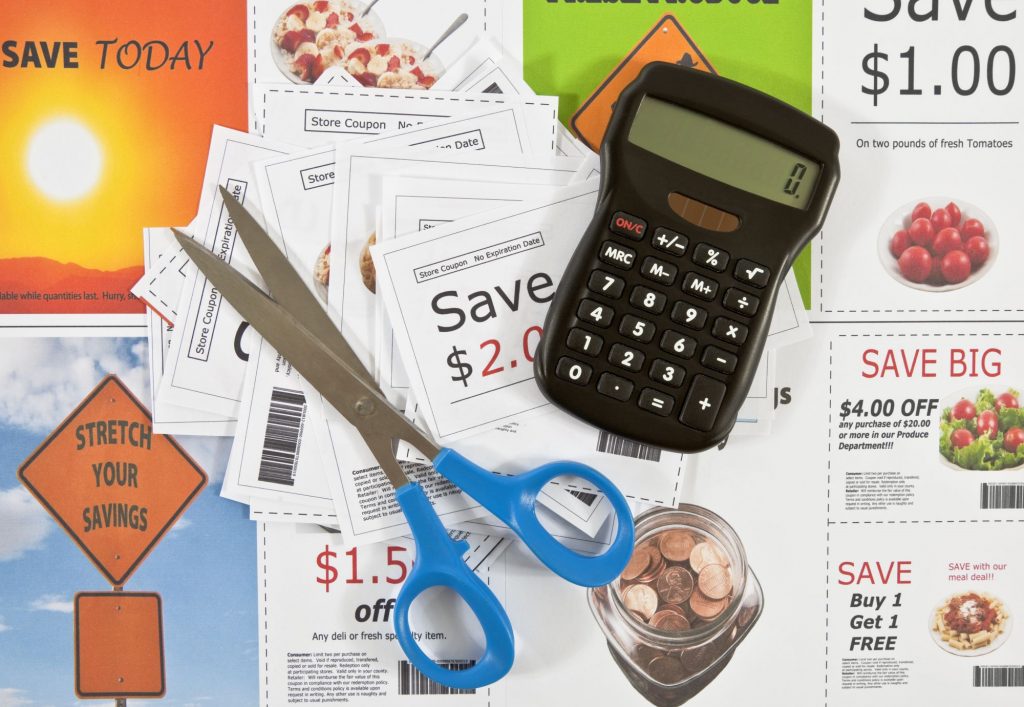
Take advantage of coupons, discounts, and cashback apps. Many stores offer digital coupons via their apps, and apps like Rakuten and Honey can help you find the best deals online. Joining loyalty programs at your favorite stores can also lead to exclusive discounts and rewards.
Benefits:
- Saves money on purchases
- Maximizes savings
- Easy to use
8. Buy in Bulk

Buying in bulk can save you money on items you use frequently. Non-perishable goods like toilet paper, cleaning supplies, and canned foods are great bulk purchases. Stores like Costco and Sam’s Club offer membership programs that provide access to bulk discounts.
Benefits:
- Reduces cost per unit
- Fewer shopping trips
- Saves money in the long run
9. Embrace DIY Projects

Instead of hiring professionals for simple home repairs or decorations, try doing it yourself. There are countless online tutorials for everything from fixing a leaky faucet to creating homemade gifts. Websites like YouTube and DIY blogs provide step-by-step guides to help you tackle various projects.
Benefits:
- Cost-effective
- Sense of accomplishment
- Customizable results
10. Use Public Transportation

If possible, use public transportation instead of driving. It’s cheaper than maintaining a car, paying for gas, and dealing with parking fees. Additionally, many cities offer discounted transit passes for regular commuters, making public transportation even more affordable.
Benefits:
- Saves money on transportation costs
- Reduces carbon footprint
- Less stress from driving
11. Cancel Unused Subscriptions

Regularly review your subscriptions and cancel any you no longer use. Gym memberships, streaming services, and monthly subscription boxes can add up quickly if you’re not using them. Consider sharing subscriptions with family or friends to split the cost.
Benefits:
- Saves money
- Eliminates unnecessary expenses
- Simplifies your finances
12. Shop Second-Hand

Thrift stores, consignment shops, and online marketplaces offer gently used items at a fraction of the cost of new ones. From clothing to furniture, buying second-hand is a great way to save money. Apps like Poshmark, ThredUp, and Facebook Marketplace make it easy to find quality used items.
Benefits:
- Cost savings
- Unique finds
- Environmentally friendly
13. Grow Your Own Food

Start a garden to grow your own fruits and vegetables. Even if you have limited space, container gardening or a small herb garden can reduce your grocery bill. Gardening also provides a rewarding hobby and ensures you have fresh, organic produce available.
Benefits:
- Fresh, organic produce
- Saves money
- Enjoyable hobby
14. Practice Energy Efficiency
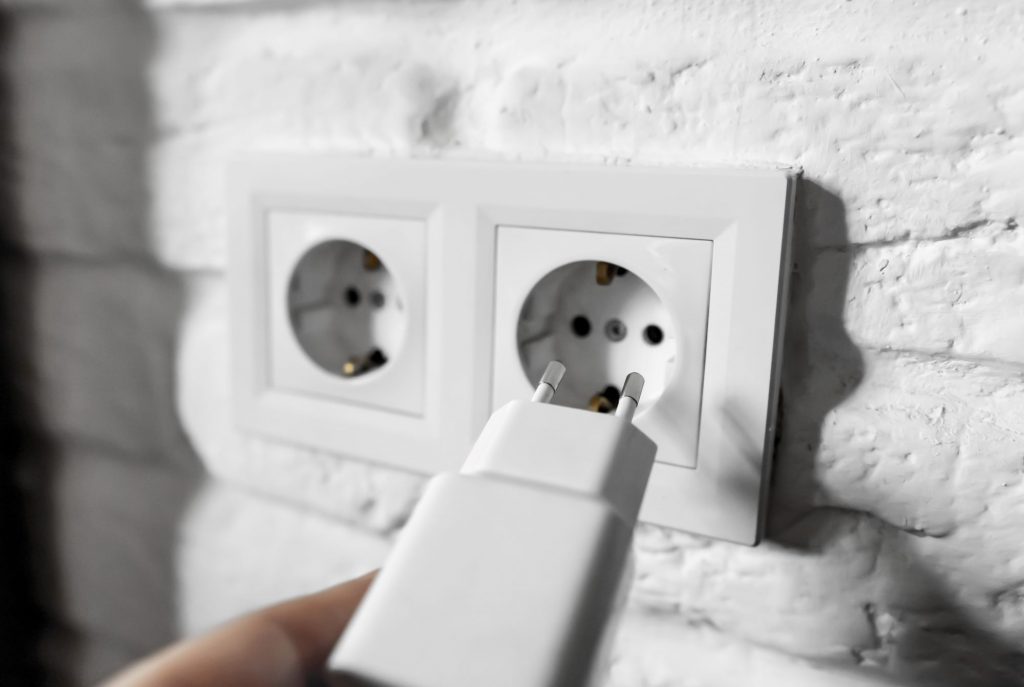
Reduce your utility bills by making your home more energy-efficient. Use LED bulbs, unplug electronics when not in use, and invest in energy-efficient appliances. Simple actions like sealing windows and doors to prevent drafts can also make a big difference.
Benefits:
- Lower energy bills
- Environmentally friendly
- Long-term savings
15. Avoid Debt

Try to avoid unnecessary debt. Use credit cards wisely and avoid loans as well unless there’s a dire need for it. Pay off your credit card balance in full each month to avoid interest charges. Building an emergency fund can also help you avoid relying on credit during unexpected expenses.
Benefits:
- Financial freedom
- Lower interest payments
- Reduced financial stress
16. Use a Library

Instead of buying books, movies, or magazines, borrow them from your local library. Many libraries also offer free digital resources like ebooks, digital magazines, and audiobooks. Libraries often host free events and workshops, providing additional opportunities to learn and save money.
Benefits:
- Free access to resources
- Saves money
- Supports your community
17. Limit Your Utility Usage

Be mindful of your utility usage. Take shorter showers, wash clothes in cold water, and use a programmable thermostat to reduce heating and cooling costs. Installing low-flow showerheads and fixing leaky faucets can also contribute to lower water bills.
Benefits:
- Reduces utility bills
- Conserves resources
- Eco-friendly
18. Automate Savings

Set up automatic transfers to your savings account. Treat your savings like any other bill and pay yourself first. This habit ensures you save consistently without thinking about it. Many banks offer automatic savings programs that round up your purchases and deposit the difference into your savings account.
Benefits:
- Builds savings effortlessly
- Reduces the temptation to spend
- Creates a safety net
19. Find Free Entertainment

Look for free or low-cost entertainment options. Many communities offer free events, parks, and museums. Hiking, biking, and picnicking are great ways to have fun without spending a lot of money. Websites like Meetup can help you find free or inexpensive events and activities in your area.
Benefits:
- Saves money
- Encourages creativity
- Promotes a healthy lifestyle
20. Plan Major Purchases

For larger purchases, take the time to research and compare prices. Wait for sales, use coupons, and consider buying refurbished or second-hand items. Planning your purchases in advance allows you to budget for them and avoid impulse buying.
Benefits:
- Ensures you get the best deal
- Saves money
- Reduces buyer’s remorse
21. Make drinks at home.

A wise woman once said: “Everything in my life has something to do with coffee. I believe in a former life, I was coffee.” If you can relate to that quote, there’s a pretty good chance you’re a coffee-a-holic. Maybe you can’t function until you get that first sip of java in the morning. Or maybe you swing by your local coffee shop every day to pick up a fancy drink. And while delicious, these drinks don’t run cheap. On average, lattes cost around $5.60, and macchiato costs around $5.11. That might not seem like much, but those small costs can add up quickly. The solution? Start making your coffee at home!
Benefits:
- Saves money
- Better for the environment
- Healthier
22. Reuse gift bags and tissue paper.

Waste is a big problem in this country, and there’s no better example than gift bags and tissue paper. Most of us tend to throw them away the second we fish our gifts out of them. Not only is that wasteful. but it’s also expensive! Instead of throwing gift bags and tissue paper away, save them and reuse them later.
Benefits:
- Resourceful and eco-friendly
- Cost-effective
- More convenient
23. Use all your toothpaste.

Sure, in the grand scheme of things, toothpaste doesn’t exactly break the bank. However, frugality applies to all your spending habits—big and small. The next time your toothpaste is empty and you go to toss it, see if you can squeeze a bit more out of it! Cut it in half and get everything out before you toss it. Even the smallest changes can have a huge impact on your budget!
Benefits:
- Less wasteful
- Saves money
24. Turn off the lights!

Do you have a habit of leaving lights on when you leave the room? Or do you have an emotional support lamp that stays on at all times? I don’t need to tell you that electricity is expensive these days. Neglecting to turn the lights off can raise your electricity bill for every minute they’re left on. This means that if you’re leaving the lights on for hours at a time, your electric bill will reflect it! Turn your lights off and switch to more energy-efficient bulbs. Trust me—your wallet will thank you!
Benefits:
- Cost efficient
- More environmentally conscious
- Lowers energy consumption
25. Save old containers.

If your sour cream has gone bad, don’t throw it all, container and all. Instead, scrape out the old gunk, wash the container, and stick it in your drawers. This is a simple—yet highly cost-effective—way to save money and cut down on waste!
Benefits:
- Resourceful
- Convenient
- Useful
Practical Tips for Adopting Frugal Habits

Start Small
If you’re new to frugality, start by adopting one or two habits and gradually incorporate more over time. Making drastic changes all at once can be overwhelming and difficult to sustain. Give yourself grace because being frugal is a work in progress.
Set Goals
Setting financial goals can motivate you to stick to your frugal habits. Whether it’s saving for a vacation, paying off debt, or building an emergency fund, having a clear goal in mind can keep you focused and committed.
Track Your Progress
Regularly review your financial situation to track your progress and adjust your habits as needed. Celebrate your successes, no matter how small, to stay motivated.
Get the Whole Family Involved
Frugality is easier when everyone in the household is on board. Discuss your financial goals with your family and encourage them to adopt frugal habits as well. Working together can make the process more enjoyable and effective.
Learn and Adapt
Frugality is a continuous learning process. Stay informed about new ways to save money and be willing to adapt your habits as your financial situation changes. Joining frugality forums or following frugal living blogs can provide inspiration and support.
Avoid Comparing Yourself to Others
It’s easy to feel pressured to keep up with others’ spending habits, especially in the age of social media. Remember that everyone’s financial situation is different, and focus on what works best for you and your goals.
I have a friend who went to med school to become a pathologist assistant and by the time she graduated, she had $108,000 in student loans. Thankfully, she did get a job as a pathologist assistant after graduating from med school and even though she’s married, her husband’s parents have to help them out financially. From the outside, she is living the life but those student loans are a huge burden.
Conclusion

Adopting frugal habits in 2024 can lead to significant savings and a more secure financial future. By making small changes in your daily life, you can reduce your expenses, increase your savings, and enjoy financial peace of mind.
Remember someone you know may be living “the life” but they may often be doing it on credit cards or they may have had a lot of advantages that you may not have had such as parents that paid for college and a downpayment for a house.
Life is full of trade-offs and you don’t know what someone may be “trading off” to live the lifestyle they want. A lot of times we never know the full picture of someone’s life so it’s not worth being envious of others.
Frugality isn’t about depriving yourself; it’s about making smart choices that allow you to live well while spending less. Start implementing these habits today and watch your financial health improve.
Image Credit: Kinga Krzeminska Photo on Getty Images | Kadarius Seegars on Unsplash | Shutterstock | Canva Pro

Popular Articles About Thrifty Tips
Originally published February 18, 2025
Author(s):