5 Simple Ways for Seniors to Overcome Obesity
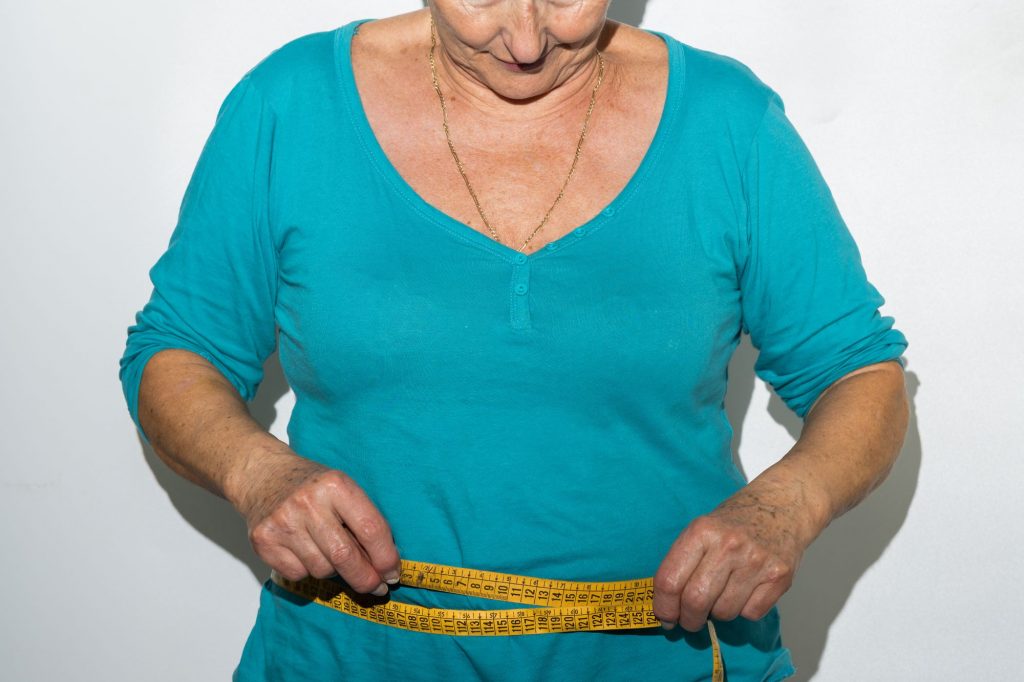
Weight management can become more difficult with age since metabolism slows down, people might become less active, and general health may not be as good as when they were young. Obesity in seniors is not just a medical concern; it also impacts their quality of life and the ability to live independently. However, with the right guidance and support, achieving a healthy weight is attainable. Here are 5 simple guidelines to help seniors manage obesity and improve their quality of life.
1. Embrace a Nutrient-Dense Diet

When focusing on your diet, aim to include plenty of whole foods that are packed with vitamins, minerals, and fiber, yet low in calories. Make fruits, vegetables, whole grains, and lean proteins your go-to choices. These foods not only aid in weight loss but also enhance your overall health. It’s important to cut back on processed foods high in sugar, salt, and unhealthy fats to lower calorie intake and reduce inflammation. Try breaking your meals into smaller, more frequent portions throughout the day to help avoid fatigue and prevent overeating.
2. Incorporate Regular Physical Activity
Physical activity plays an important role in maintaining weight and health, particularly for elderly people. Try to do activities that require large muscle groups and involve rhythmic movements, like walking, swimming, or cycling, and exercises that involve small muscle groups and require controlled movements, like lifting small weights or resistance bands. It assists in reducing the calories that are burnt and assists in constructing muscles and the metabolic processes of the body. Begin with fun and easy exercises to develop a routine that will be followed faithfully. Before embarking on any exercise regime, one should first seek the advice of a doctor to ensure that one’s exercise program is safe for one’s physical condition.
3. Set Realistic and Achievable Goals

When it comes to weight loss, setting realistic targets is important because sticking to impractical diets can be tough. Aim for small, achievable goals that can be adjusted over time to keep things challenging yet manageable. For example, aiming to lose 1-2 pounds per week is more realistic than trying to shed a lot of weight quickly. Break down larger objectives into daily or weekly goals, like gradually adding more exercise to your routine or opting for one healthier meal each day. This approach helps you celebrate small victories, stay focused, and avoid frustration, as your expectations remain attainable.
4. Seek Support and Stay Accountable
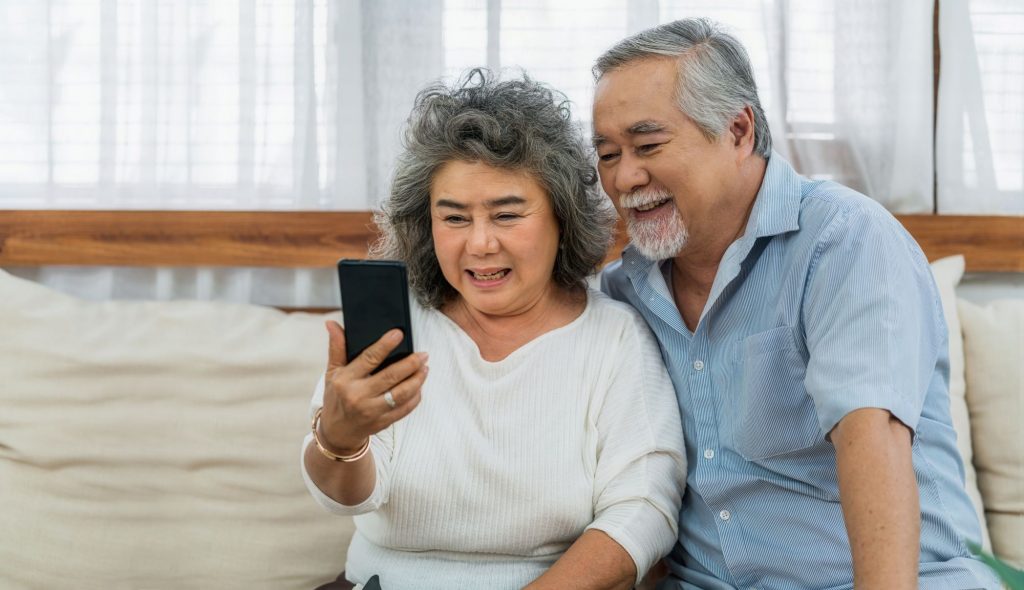
Obesity can be improved meaningfully and having support from other people can boost your chances of success. Consider reaching out to family and friends or joining a weight management group, as connecting with people who face similar challenges can be incredibly helpful. Having a companion to chat with or to join you for a walk, run, or swim can turn your journey into a shared and enjoyable experience. You might also want to consult with registered dietitians, organizations like BMI Doctors, or certified fitness trainers for seniors. These professionals can provide guidance and support, helping you create a plan tailored to your lifestyle.
5. Address Emotional and Behavioral Factors

Stress and other psychological factors play a significant role in obesity. It’s important to recognize and manage emotions that might lead to overeating or negatively impact your health. When boredom or stress strikes, it’s easy to slip into unhealthy eating habits. Instead, seek out activities you enjoy, practice relaxation techniques, or talk to a doctor or therapist for support. Adjusting your eating habits to better recognize hunger and fullness signals can also help prevent binge eating and promote healthier choices.
How to Overcome Obesity

To overcome obesity as a senior, one must take a holistic approach that treats the body and the mind. Seniors are able to enhance their weight management and overall health by adopting a nutrient-dense diet, engaging in physical activity, setting achievable goals, and getting support, as well as focusing on the emotional aspects of weight control. However, let it be emphasized that change is not always going to be fast, and it is always fine to be both slow and steady. When properly motivated and facilitated, it becomes possible to attain a better body weight and, in the process, lead a healthier lifestyle.
This article is intended for informational purposes only and does not constitute medical advice. Always consult with a healthcare professional for personalized guidance and medical recommendations tailored to your individual needs.
Try a Beginner Exercise

Popular Articles About Nutrition
Originally published August 29, 2024
Author(s):