7 Must-Know Wellness Tips for Baby Boomers Nearing Retirement
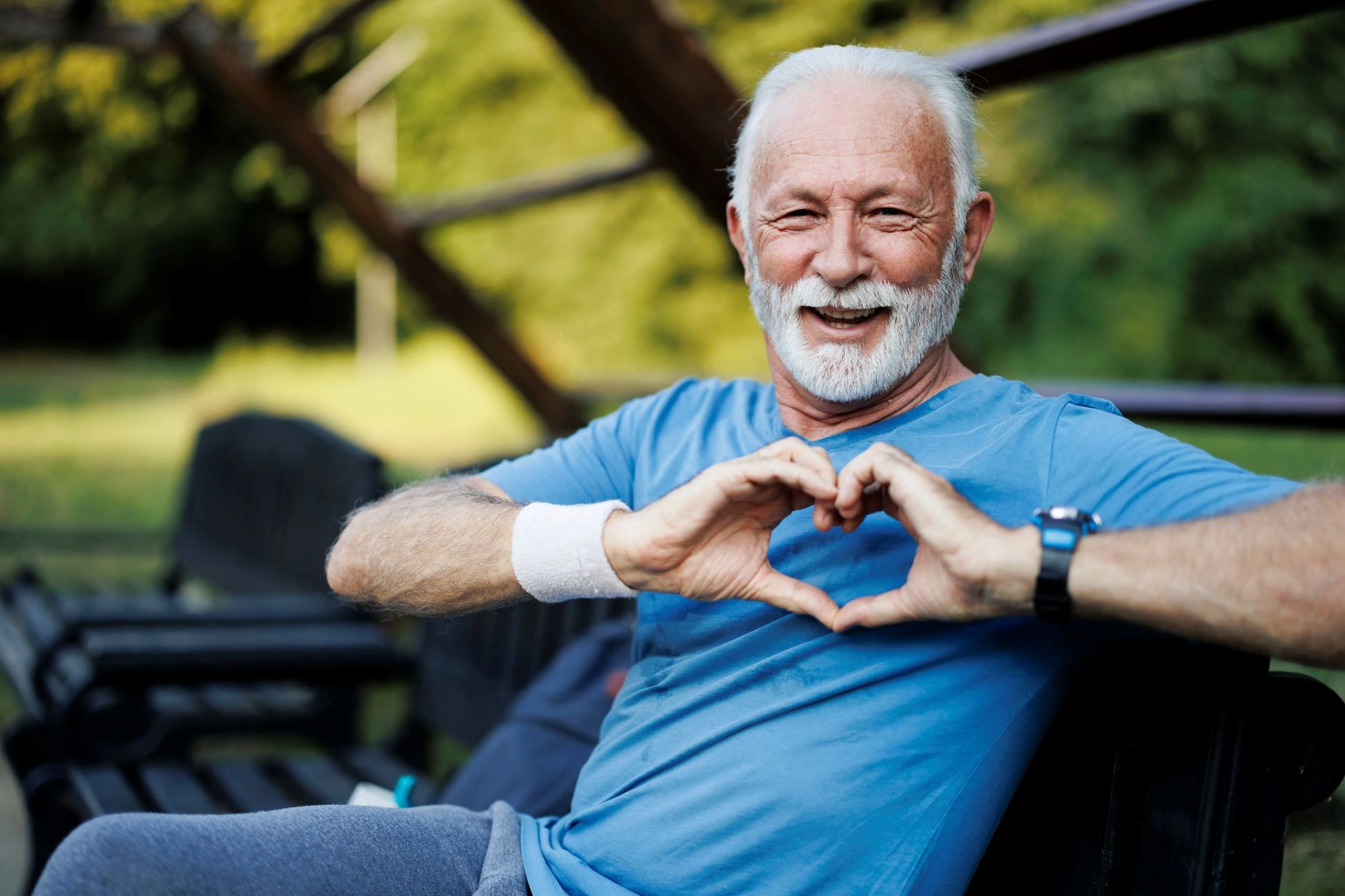
Did you know that by the year 2030, all Baby Boomers will be age 65 or older? With so many older adults on the verge of retirement and America reeling from inflation, most older adults are probably wondering only one thing: Will we have enough to retire comfortably? It’s a valid concern! There’s no sugarcoating it: The great retirement will cause a huge gap in the workforce and, sadly, even more inflation. What’s more, a recent study found that around 27% of Baby Boomers have nothing saved for retirement!
Still, economic struggles are only one piece of the retirement puzzle. Other Baby Boomers might be more concerned about their health, and they have a right to be. A whopping one-fourth of adults aged 65 and older are considered socially isolated. Worse still, many have chronic diseases, like diabetes and heart disease, and an astounding 1 in 4 seniors fall each year (1 in 10 resulting in serious injuries). So, how can seniors stay happy and healthy? Let’s discuss a few oh-so-important wellness tips that might just help those of you nearing retirement!
1. Social Wellness
We don’t often think of social wellness, but it’s one of the main pillars of our emotional well-being. Put simply, social wellness is our ability to make and maintain meaningful connections and enjoy a genuine sense of belonging. Something we often don’t realize in our earlier years is how much our careers contribute to our social wellness. But if you think about it, it makes sense—40 hours or more every week for a big chunk of our lives is spent interacting with coworkers, clients, and more.
So, what happens when we retire? Is all of that just…done?
Not necessarily! That is, if you continue making it a point to keep in touch with friends, neighbors, family, and yes, former coworkers.
It may feel easier said than done, so here are a few ideas to stay social:
- Set aside time every week devoted to calling friends and/or family.
- Make an effort to keep in touch with supportive friends, family, and mentors.
- Join a club or an organization. Participating in group discussions and practicing active listening can open your mind’s door as well as your heart’s.
- Get out and volunteer. Do this with friends or go alone to make new connections with people who share the same interests and have similar convictions.
2. Emotional Wellness
Retiring is a major life change, and though it offers countless benefits, for some retirees, it can also bring about anxiety, stress, or even depression. Instead of feeling relaxed and fulfilled, you might feel bored or even lose your self-confidence. Meanwhile, some retirees grieve the loss of their old life or simply find it hard to get themselves into a new groove.
Whether you’re already retired and struggling with the changes or nearing retirement and feeling anxious about it all, there are healthy ways you can adjust:
- Keep yourself on a schedule. Believe it or not, routines are essential to emotional and physical wellness. Keeping yourself on a schedule helps reduce stress and supports strong cognitive sharpness. It can also help you sleep better at night.
- Nurture a positive attitude. Try beginning each day by writing down one thing you’re grateful for or looking forward to. Then, at the end of the day, write down something positive that happened.
- Acknowledge your emotions. Don’t sweep your emotions under the rug and pretend they don’t exist. Instead, allow yourself to feel them. If necessary, share them with a partner or trusted friend. Being vulnerable and open about your feelings, no matter how bad, can be a great way to move forward into a better mindset.
3. Spiritual Wellness
Some might define spiritual wellness as truly connecting with your beliefs and values. For many, this begins with their faith in God or a higher power. For others, it’s achieving self-transcendence through humility and connecting to something greater than themselves. If you’re nearing retirement and finding yourself asking, What’s the point of all this?, then here are a few suggestions to boost your spiritual health:
- Reach out to our church. Your pastor or priest is likely a good listener and would be more than willing to help you on your spiritual journey, no matter where your faith currently lies. Also, congregation members can help you build a support system!
- Spend time with yourself doing things that you enjoy. This can give you a sense of purpose and help you focus on prayer or meditation.
- Volunteering is a positive way to connect to something larger than yourself while giving back to your community. Boomers who volunteer usually feel a great sense of self-worth and purpose! Plus, there are always volunteer opportunities at animal shelters, soup kitchens, and even churches!
- Keep a journal to reflect on all aspects of your life and faith. Write down what you read in the Bible (or your religious text of choice) and jot down your prayers and feelings.
- Speak to a counselor or therapist. We might feel like a failure as a person or even a Christian when we can’t solve our problems with prayer alone. However, God doesn’t want us to suffer in silence! If you’re struggling with depression or any other kind of mental health issue, reach out to a counselor. Go to a few therapy sessions and get the help you need. There’s no shame in admitting you need support or even medication!
4. Occupational Wellness
Think for a moment about how you’ve always introduced yourself. It probably sounded something like:
“I’m Joe, and I’m an architect.”
Okay, maybe not quite that way, but you get the point. The fact of the matter is that on average, 90,000 hours of our lives are spent at work. That means that what we do inevitably becomes a huge part of who we are and how we perceive ourselves. Those thought processes don’t shut off when retirement rolls around. So much personal gratification and enrichment come from our work lives, and as creatures of habit, we still crave those feelings whether we’re 36, 65, or 95! Here are a couple of ways to create a work-life balance when you are no longer working:
- Consider your succession before you take the retirement plunge. We’re guessing you’ve spent most of your life building skills and expertise that are invaluable. You might even own your own business. One thing you really don’t want is for your life’s work to disappear the moment you step out of the office, right? In the years leading up to your retirement, you should consider how to pass on your knowledge and/or find the next leader for your business.
- Mentoring a child, grandchild, friend, or potential successor satisfies your instinct to pass on knowledge. Becoming a freelance consultant is a similar way to do this. Both keep you involved and feeling like you’re contributing to the greater good!
5. Intellectual Wellness
Learning and creating should be a lifelong journey! In fact, our creativity doesn’t have to fade as we age. Finding ways to expand knowledge and stay creative is absolutely imperative for mental health. Did you know that learning keeps your brain cells working at optimum levels? According to recent research, continuing to learn new things may slow cognitive and memory decline in aging adults. Here are some ways to support your intellectual health and wellness throughout retirement:
- Enroll in an adult or senior education class.
- Join a book club (or any type of club, really) to have a few meaningful conversations.
- Take time to learn new hobbies.
- Use technology to expand your perspective. Listening to podcasts is an easy and free way to stay in the know!
6. Physical Wellness
It’s no secret that enjoying good, nutritious meals is important! Eating a diet full of whole foods (like fruits, veggies, and lean meats) can reduce your risk of heart disease, obesity, and other chronic illnesses. Of course, we all know that exercise is important, too! But sometimes, these healthy choices aren’t the easiest or most convenient. Even so, physical wellness is important for your overall health. Here are a couple of tips that you can start working into your routines today:
- Move more. Try simply walking around the house or doing chair exercises. The truth is, there’s a little something that everyone can do to get moving. If you’re not sure where to start, your primary doctor has a good brain to pick!
- Exercise at home with videos like Senior Fitness with Meredith’s. Meredith gears all of her exercises toward older adults, and her YouTube and social media community is filled with encouragement and help for all. (Senior Fitness with Meredith is also on our podcast network!)
- Try fruit for dessert and add more protein to your diet! Did you know that once you hit 30, you start losing as much as 5 percent of muscle mass each decade?
7. Environmental Wellness
Clean air and safe drinking water are important to human health. But that’s not exactly the type of environmental wellness we’re talking about here. Did you know that your personal environment affects your overall mood and behaviors? A clean and positive space for living, working, and playing can reduce stress and help you create healthy habits. A few examples Boomers can follow to create and maintain environmental wellness are:
- Keep your home tidy. If all your stuff is put away, you’re more likely to be motivated to clean up after each new mess.
- Make your home inviting and comfortable. It’ll keep you feeling pleasant while encouraging visitors to sit and chat.
- Research has revealed that rooms with bright light, both natural and artificial, can influence your mood. Bright light actually improves depression and anxiety.
More Wellness

Popular Articles About Health & Wellness
Originally published September 08, 2025
Author(s):