A Look at the Vital Role of Gut Health While Aging
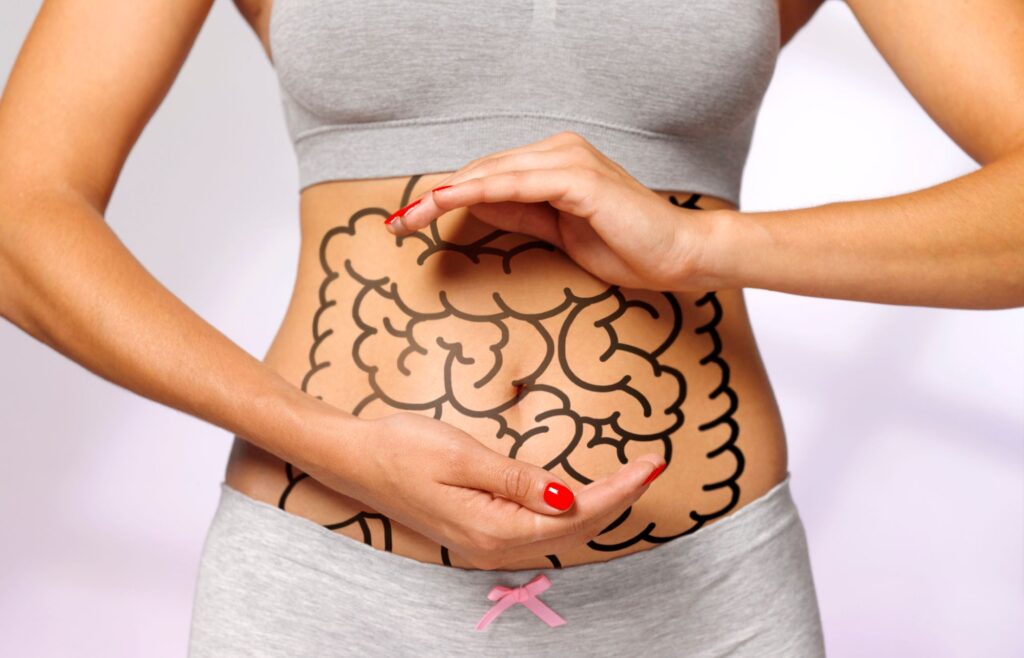
Maintaining good health is tantamount to a high quality of life as we age. We work out, we go to bed early, and we also pay extra special attention to our mental health. However, we often overlook gut health in the aging process, even though it plays a crucial role in overall well-being. In fact, a healthy digestive system impacts everything from nutrient absorption to immune function. An imbalance in gut health can lead to a range of complications. As you can see, understanding the changes in the digestive system as we age and managing them is the key to health in our later years!
The Aging Gut: What Changes?
Every system in our bodies changes as we age, and the digestive system is certainly no
exception to that rule. One of the most significant changes is a slowdown in digestive motility,
also known as the movement of food through the digestive tract. This can lead to constipation,
bloating, and discomfort.
Other common symptoms of motility issues include:
- Abdominal pain or swelling
- Trouble swallowing
- Acid reflux
- Burping
- Regurgitation
- Feeling full easily
- Weight loss
- Nausea
- Vomiting
- Constipation
- Diarrhea
- Excessive gas
Additionally, the production of stomach acid and digestive enzymes may decrease, making it more difficult to break down and absorb nutrients from food. The composition of gut bacteria, known as the microbiome, also shifts with age, which causes a delay in your normal digestive process. This shift can lead to a reduction in beneficial bacteria and an increase in harmful microbes, potentially causing inflammation and weakening the immune system.
Addressing these changes early is important for preventing digestive issues and promoting overall health as we age!
Importance of Nutrition for Gut Health
Maintaining a healthy diet is essential for supporting gut health as we age. Eating a variety of
fiber-rich foods, such as fruits, vegetables, whole grains, and legumes, helps keep the digestive
system functioning smoothly by promoting regular bowel movements. Fiber also serves as food
for beneficial gut bacteria, helping to maintain a balanced microbiome.
Probiotic-rich foods, such as yogurt, kefir, and fermented vegetables, can further support gut health by replenishing beneficial bacteria in the digestive tract. Staying hydrated is important, as dehydration can exacerbate digestive issues like constipation. A well-rounded diet that supports both digestive and overall health can go a long way in preserving gut function and preventing problems.
Other Foods That Might Improve Your Digestion
- Whole grains: If you love bread, you don’t have to cut it out of your diet! Instead, switch to whole grains. Unlike the refined carbs found in white bread and pasta, whole grains provide plenty of fiber and nutrients, such as omega-3 fatty acids. Studies also show that avoiding grains may actually be detrimental for overall gut health, so make sure to include some bread in your diet!
- Leafy greens: Popeye might’ve been onto something! At least in terms of his spinach consumption. Leafy greens, such as kale and Popeye’s favorite spinach, are packed with fiber and vitamins. They also contain a type of sugar that promotes the growth of healthy gut bacteria.
- Lean protein: If you have IBS or a sensitive gut, you shouldn’t be eating fatty, fried foods. However, you should consume lean protein, such as grilled chicken, turkey, and lean ground beef! If you’re not a meat-eater, don’t worry. Other foods that fall into the “lean protein” category include plain Greek yogurt, beans, low-fat cottage cheese, tofu, powdered peanut butter, and low-fat milk!
- Citrus fruits and bananas: Those with sensitive guts should avoid high-fructose fruits, like apples and pears. However, citrus fruits are fiber-rich and less likely to irritate your stomach! Bananas are also a safe choice.
The Gut-Immune Connection
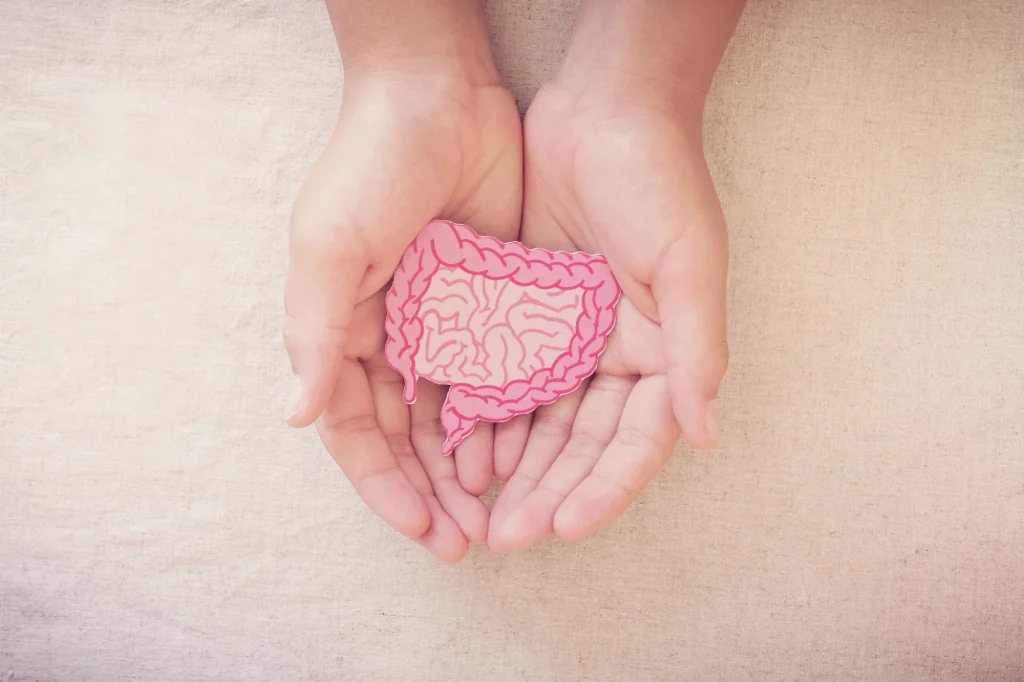
Gut health is intricately linked to the immune system, with around 70% of the immune
system residing in the gut. A balanced and healthy gut microbiome can strengthen immune
function. Meanwhile, an imbalanced microbiome may contribute to chronic inflammation and a weakened immune response. This is particularly important for older adults, as the immune
system naturally weakens with age, making the body more susceptible to infections and illnesses.
Maintaining gut health through proper nutrition, regular exercise, and stress management can
help support a strong immune system and improve overall health. In some cases, consulting with
a healthcare professional and considering gut-specific supplements may also be beneficial for
older adults experiencing digestive or immune issues.
Monitoring Gut Health: The Role of Testing

As gut health becomes a greater concern with age, monitoring the health of the digestive system
can be a proactive step. A GI-MAP stool test is a comprehensive tool used to:
- Assess gut microbiome balance
- Detect pathogens
- Evaluate overall digestive health
This test provides valuable insights into the gut environment. In turn, this can help identify imbalances or issues that need further examination. For older adults experiencing persistent digestive problems or those
looking to optimize their gut health, a stool test can be a useful diagnostic tool. Its targeting of specific areas of concern can allow you to make dietary changes and implement other treatments to improve gut health and overall wellness.
How to choose a microbiome test
If you decide to purchase a microbiome test, make sure you do your research first! Some companies may offer microbiome tests, but not every one is valid or even helpful. When choosing a microbiome test, make sure you consider:
- Analysis: Check that the test and make sure it offers the depth of analysis you require.
- Explanation: Sometimes, science is simple. Other times, it’s difficult. Choose a test that is not only easy to use but also offers easy-to-decipher results.
- Privacy: Privacy is important, especially in this day and age. Read the fine print to make sure your information and results will stay private!
Conclusion
Gut health plays a vital role in the aging process, influencing everything from digestion and
nutrient absorption to immune function. As the body changes with age, make sure you boost digestive health through proper nutrition, hydration, and monitoring. By prioritizing your gut health, you can reduce the risk of digestive issues and improve overall well-being in your later years. Now, what’s better than that?
Visit our Health & Wellness Blog for even more great articles like this one!
*-Price at time of publishing.
Amazon Associate; this post contains affiliate links that provide a small commission without any added cost to the user.
Image Credit: Peter Dazeley @ Getty Images | Shutterstock

Popular Articles About Health & Wellness
Originally published April 25, 2025
Author(s):