Best Pets for Seniors and Retirees

Thinking about getting a pet? That’s fantastic! Pets have become an essential part of our lives, with nearly 70% of households in the US owning one. The bond between pets and their owners is unique and beneficial. Owning a pet not only enhances our enjoyment of life, improves mood and health, but also helps establish routines in our daily lives. Moreover, pets can reduce stress and promote physical activity.
However, like any significant decision, there are important aspects to consider before welcoming a pet into your home. Some key questions to ask yourself include: Will you be physically capable of caring for a pet? Can you dedicate the necessary time to ensure your pet’s happiness and health? Is it financially manageable for you? What type and size of a pet can your lifestyle and living situation accommodate? Keeping these considerations in mind, let’s explore the variety of pets available for seniors!
Dogs

Man’s best friend. They’re loyal, affectionate, fun-loving, and helpful. However, they do need the most care and exercise of any of the animals on our list. Most (especially if you are looking at getting a puppy) need training of some sort, whether it be potty training or simple commands such as “sit” or “stay.”
Small Dogs for Seniors and Retirees

Small dogs can be wonderful companions for seniors, offering cuddles, comfort, and companionship. Their typically smaller size and lower energy levels compared to larger breeds make them easier to manage for seniors with limited mobility or activity levels. However, it’s important to carefully consider individual needs and breed characteristics before making a decision.
Breeds like Pomeranians, Shih Tzus, Cavalier King Charles Spaniels, and Maltese are known for their loving, cuddly nature. Their smaller stature and calmer demeanors often make them suitable companions for seniors who prefer a quieter companion. While Boston Terriers are often recommended, their higher energy levels might not suit everyone.
Remember, individual personalities within each breed can vary. Carefully research and meet potential furry friends before making a decision. Consider factors like grooming needs, which can range from daily brushing (Maltese) to occasional trims (Cavalier King Charles Spaniel).
Read Next: A Comprehensive Guide to Pet-Friendly Assisted Living Facilities
Medium Dogs for Seniors and Retirees

Medium dogs offer a delightful blend of energy and affection, making them popular companions for many. However, it’s important to remember that each breed has unique characteristics and needs. Some medium dogs, like Poodles and Bichon Frise, can be quite cuddly and enjoy lap time, while others may be more independent.
While the playful and eager-to-please nature of many medium-sized dogs is appealing, careful breed research is crucial. Consider their exercise needs, grooming requirements, and temperament before welcoming a furry friend.
Here are some popular medium-sized breeds often recommended for seniors:
- Beagle: These friendly, scent-driven dogs require walks with engaging activities due to their strong instincts but can be cuddly companions when relaxed.
- Bichon Frise: Cheerful and affectionate, Bichons are relatively low-maintenance, enjoying walks and playtime but adapting well to apartment living.
- Cocker Spaniel: Gentle and intelligent, Cockers require moderate exercise and regular brushing. Consider if their playful energy aligns with your lifestyle.
- French Bulldog: Known for their laid-back personalities, French Bulldogs enjoy walks and playtime but have moderate exercise needs. Their short coats require minimal grooming.
- Keeshond: These loyal and intelligent companions thrive on regular walks and mental stimulation. Their thick coats require consistent brushing.
- Poodle (Standard & Miniature): Highly trainable and versatile, Poodles come in standard and miniature sizes. Both sizes require daily brushing and moderate exercise.
Remember, every dog is an individual. Meet and research specific breeds to find the perfect furry friend who complements your lifestyle and abilities. Consulting a veterinarian or animal shelter can provide valuable guidance in finding your perfect match.
Large-Breed Dogs for Seniors and Retirees

Large dogs can be wonderful companions for active seniors, but careful research is still important. They require plenty of space, exercise, and training due to their size and potential strength. While breeds like Golden Retrievers or Boxers can be laid-back, others like Border Collies are known for their high energy.
Thorough research and understanding of specific breed needs are essential before welcoming a large dog. Consider factors like exercise requirements, grooming needs, and temperament. Some popular choices for active senior owners include Golden Retrievers, Labrador Retrievers, Boxers, Standard Poodles, and Australian Shepherds. However, breeds like Greyhounds might require specialized care, and Border Collies need both physical and mental stimulation.
Cats

Cats are fascinating companions, ranking second to dogs in pet ownership, with around 43% of US households owning one or more. While known for their independent nature, cats can be surprisingly affectionate and enjoy human interaction. Their personalities range from playful and cuddly to mellow and reserved, offering something for everyone.
Remember, cats still have needs and prefer not to be completely alone. They appreciate socialization and interaction but also value independent time for napping and exploring. Different breeds have diverse grooming needs, activity levels, and potential health concerns. Researching individual breeds is crucial to understanding their specific requirements.
Whether you seek a playful lap cat or a more low-key companion, there’s a perfect feline friend out there waiting for you. Cats and humans have shared a long history, and welcoming a cat into your life can be a truly rewarding experience.
Beyond Cats and Dogs: Exploring Diverse Pet Options for Seniors and Retirees
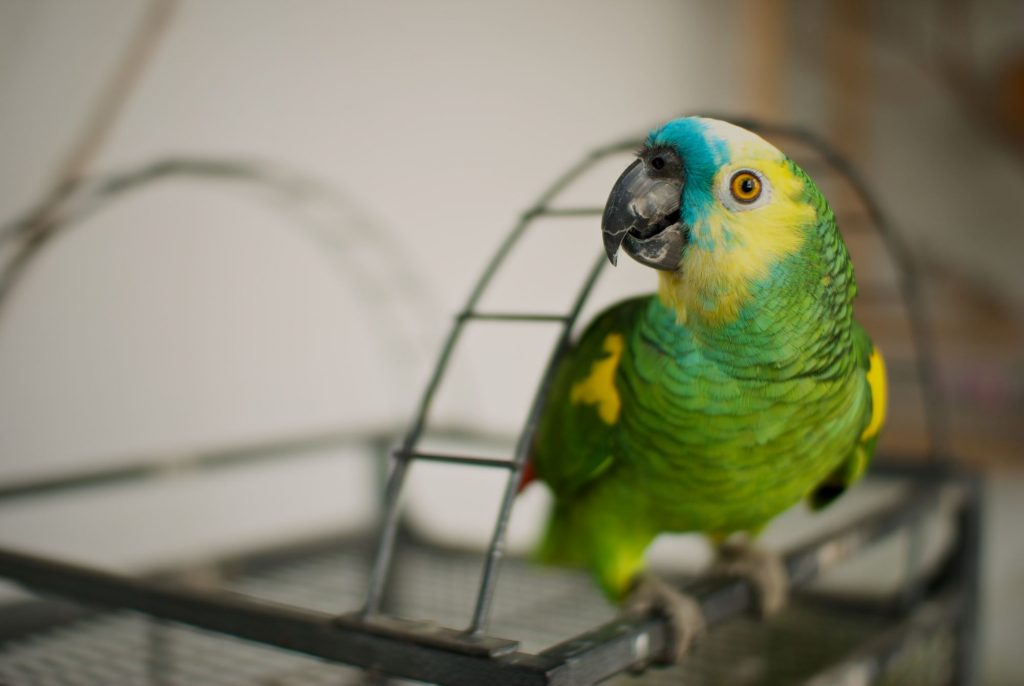
While cats and dogs are popular pet choices, there’s a world of other companions waiting to be discovered! From fish and birds to small mammals and reptiles, even robotic options exist, catering to various needs and preferences.
Fish
- Low maintenance: Ideal for seniors with limited time or space, fish require clean tanks, food, and minimal interaction.
- Calming effect: Observing their graceful movements offers a relaxing and therapeutic experience.
- Consideration: Research specific breeds to understand environmental needs and potential lifespan.
Birds
- Moderate maintenance: Higher needs than fish, requiring regular cage cleaning and food/water changes.
- Thriving in cages: Suitable for seniors with mobility limitations.
- Therapeutic chirps: Singing can provide comfort and companionship, especially for those living alone.
- Lifespan: Be aware of their potentially long lifespans before committing.
Small Mammals
- Space-friendly: Gerbils, hamsters, mice, rabbits, and ferrets are suitable for smaller living spaces.
- Lower maintenance: Compared to cats and dogs, their needs are relatively manageable.
- Nocturnal activity: While they offer daytime playtime, their primary activity occurs at night.
- Fragile nature: Not ideal for households with larger animals due to potential danger.
Reptiles
- Maintenance varies: Choose carefully, as different species have diverse needs.
- Minimal feeding: They generally eat less frequently than other pets.
- Food considerations: Be prepared to offer crickets, mealworms, or even rodents (usually frozen), depending on the species.
- Not for everyone: Their unique characteristics and care requirements might not suit everyone.
Remember: Choosing a pet is a long-term commitment. Regardless of the species, thorough research on specific breeds, individual needs, and your lifestyle is crucial for a happy and healthy coexistence.

Popular Articles About Retirement Lifestyle
Originally published November 13, 2024
Author(s):