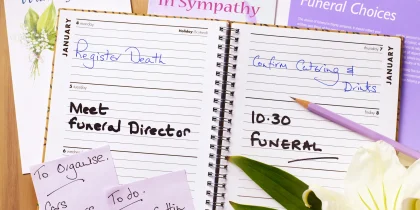
Coping With Loss: How to Approach Funeral Arrangements

Perhaps the loss of one’s loved one is one of the most daunting experiences of life. During the grieving period, you have to make many decisions, like how to conduct the funeral. With so many emotions running high, those arrangements can feel overwhelming. However, if you take it step by step, you can manage the situation with dignity and care. If you’re an older adult coping with loss, this article is for you. Here’s how to plan a funeral while you work through your grief.
Give Yourself Time to Grieve

Take some time as you grieve. Grief impacts everyone differently, and there’s no “right” way to do it. You’ll feel sad, confused, angry, or even numb, all of which are valid emotions. Grief has five stages, and you’ll move through each before your heart ever nears acceptance. So, if you don’t need to make plans right away, take some time to think about how you’re feeling. Once you feel ready, start your planning. But remember—it doesn’t need to happen right away. Seek support from a group of close friends, family members, or even a grief counselor.
The Last Wishes

In some cases, a person may have written out their last wishes in advance. These can range from their preference between burial and cremation to the kind of service they want or even details like who they would prefer to speak to at the service. If no formal instructions exist, talk to close family members to get an idea of what the deceased would have wanted. Understanding these desires will help you make choices and calm your mind as you prepare for their service because you are honoring their will.
Plan Funeral in a Step-by-Step Process

The funeral planning process can seem overwhelming, but breaking it into several simplified steps can help. The decision-making process begins with the most basic question—burial or cremation. The rest can follow with provisions from the funeral home, and so on. Many funeral homes offer packages that start preparation of the body down to transportation. By choosing a package, things can become less challenging to navigate. You should also:
- Choose a casket or an urn
- Opt for a type of service, such as religious or secular
- Decide on a venue for a service
- Arrange flowers and donations
- Write the obituary or have someone else prepare it
Planning a funeral can be emotionally intense, so do take a break every so often when you feel that you have had enough. Also, don’t shy away from getting some help from family or close friends. Never shoulder heavy burdens alone.
Add Personalities and Celebrations
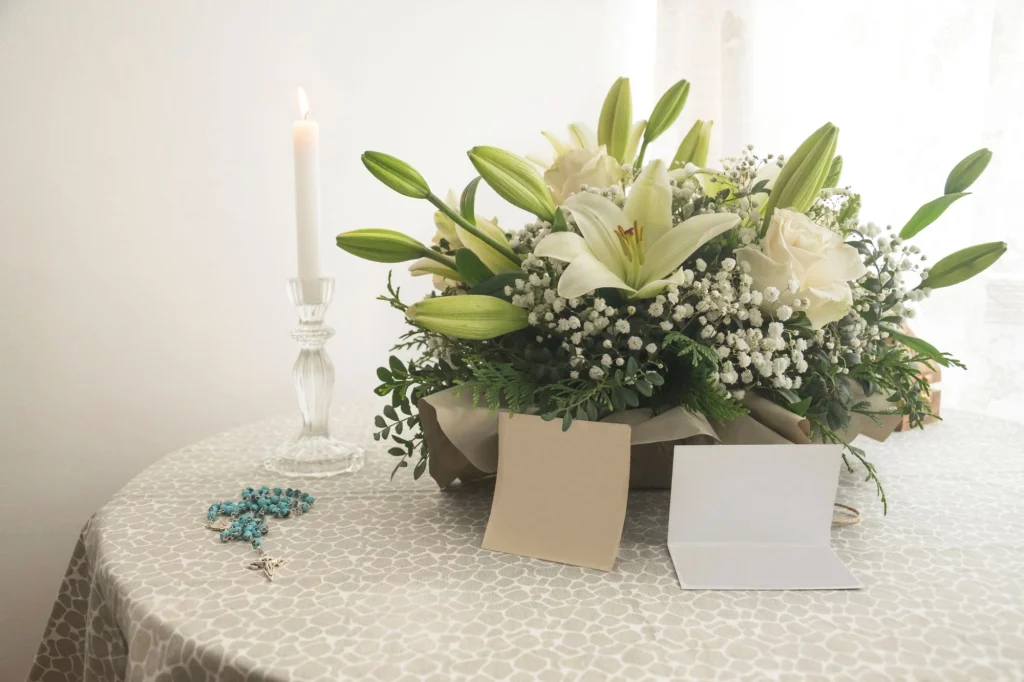
A funeral is not one in which to say goodbye. Instead, it can be a time of celebrating the person you lost. You have a chance to create a service that reflects who they were and what they liked. For example, you can add their favorite songs, photos, or stories showing who they were and what they achieved in life. Other people want to have a wake or memorial service before or after the funeral, where friends and family can gather and reminisce. Even something as simple as your favorite flower or meaningful quote can make the service more personalized and heartfelt.
Planning for After-Funeral Care and Support

The funeral is but one moment in a long process of grief. If you haven’t already, you’ll want to decide regarding the deceased’s estate; this might require contacting lawyers or financial advisors. Additionally, you’ll need to dispense some belongings or manage their social media accounts. Of course, you’ll want to take care of yourself and surround yourself with people who can understand your emotional state. Losing a loved one drains you emotionally and physically, so take time to heal. If you get overwhelmed, lean on others or seek a grief support group.
Takeaway
Grief is a hard thing to deal with, and planning a funeral can feel like a huge burden. However, taking it one step at a time may lighten the load. By knowing the wishes of your loved one, reaching out for support, and creating a meaningful tribute, you can simplify the funeral planning process and make it less of an emotional toll. Never forget to prioritize your own needs and seek help when needed. Healing is often a long process, so be patient and give yourself time and space to overcome your grief.

Popular Articles About Funeral & Obituary
Originally published December 04, 2024
Author(s):