The Greatest Gift You Can Give Your Family? Planning Ahead for Funeral Services
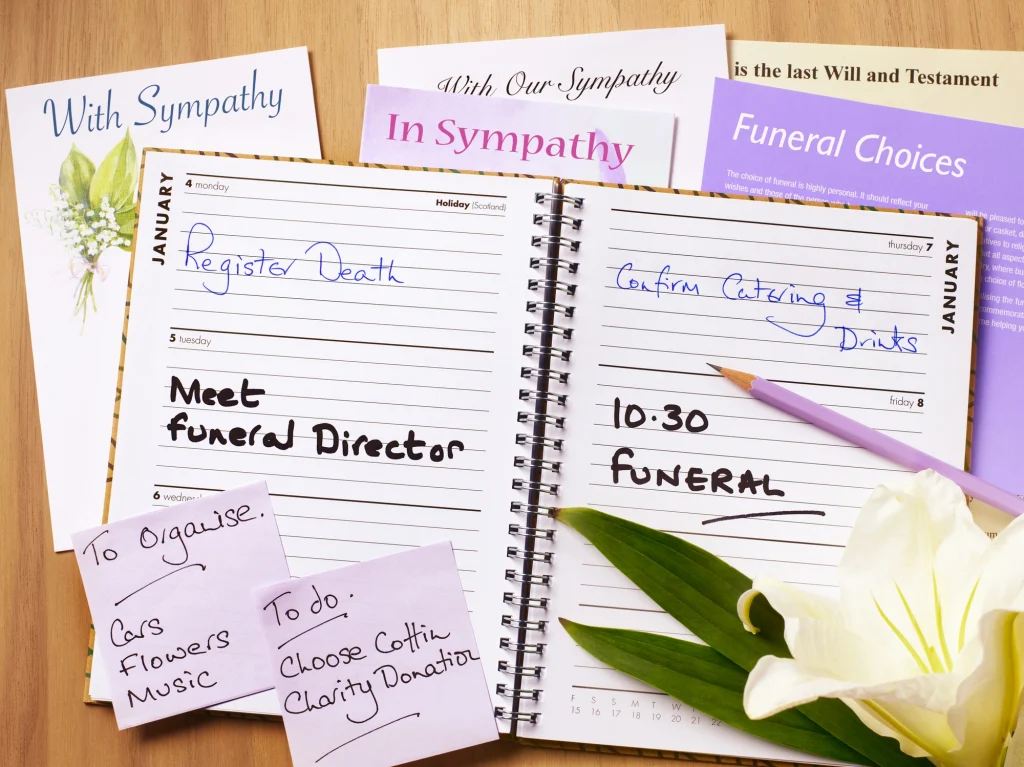
Let’s face it – talking about funeral services isn’t the most cheerful topic. But here’s the thing: everyone in the world will face this someday, and the more we know, the more prepared and confident we’ll feel when the time comes. Trust me, you’re not alone in this. Let’s break this down into something light, practical, and approachable.
Why Talk About Funeral Services Now?
Many of us avoid this subject because it feels heavy, but the truth is, planning ahead can turn an intimidating experience into a thoughtful, meaningful one. When you discuss your wishes—or those of your loved ones—before the need arises, you’re making decisions with a clear mind, not under the emotional strain of loss. This helps ensure everything aligns with what your loved ones truly want and gives everyone peace of mind.

The First Steps After a Loved One Passes
So, what happens when the time comes? That depends on the circumstances, but generally:
Notify the funeral home.
After a death, one of the first calls you’ll make is to a funeral home of your choice. Choosing a funeral home ahead of time can ease this process. Believe it or not, some people even visit funeral homes in advance to compare services and prices.
Download the Ultimate Estate Planning Checklist and Guide today for free.
Make some calls.
- If your loved one is in hospice care, call the hospice caregiver, who will guide you through the process and handle many details.
- If the death occurs unexpectedly at home, call 911. The police and a medical examiner will determine the next steps.
- If the death is suspicious, the medical examiner may temporarily take the deceased into their care for further investigation.
After the Initial Steps
Once your loved one has been brought into the care of the funeral home, the next phase begins: planning the arrangements.

Burial vs. Cremation
A common misconception is that choosing cremation means skipping any sort of service. Not true! Many families still hold meaningful services to celebrate and honor their loved one’s life, even if cremation is the ultimate choice.
Having a service—whether traditional or simple—can be an important part of closure for many people. It provides an opportunity for family, friends, and the broader community to gather, acknowledge the loss, and begin the healing process.
Who Makes the Decisions?
When it’s time to sit down and make arrangements, you might wonder, Who’s in charge? The answer depends on the situation:
- Legally, the next of kin (spouse, adult children, etc.) is the primary decision-maker.
- Ideally, families come together to make decisions as a group, but disagreements can happen. Pre-planning eliminates a lot of these conflicts by documenting wishes in advance.
Pre-Planning
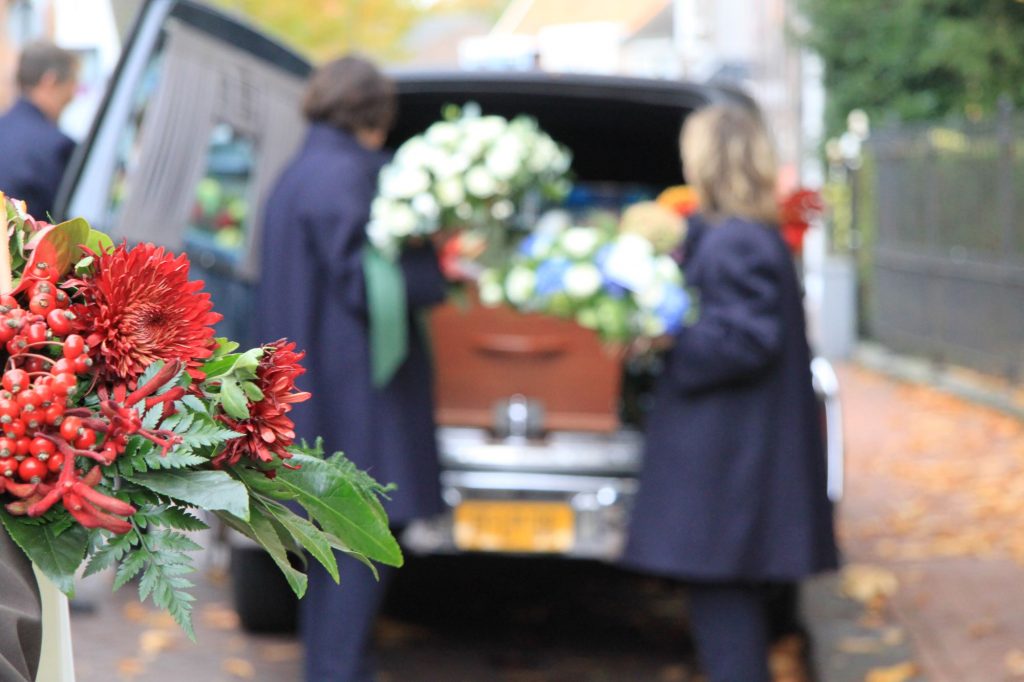
If there’s one takeaway, it’s this: having conversations and making decisions ahead of time is a gift you give your family. It’s not easy, but it’s incredibly helpful. Many funeral homes offer community education programs to help people understand their options and plan ahead. Taking the time to learn about funeral services now can save your family from stress, confusion, and even conflict later.

Subscribe to & Connect with Next Steps 4 Seniors: Conversations on Aging

Visit Next Steps 4 Seniors: https://nextsteps4seniors.com/
Photos: Peter Dazeley, Getty Images | Peter Vandenbelt, Shutterstock

Popular Articles About Funeral & Obituary
Originally published March 07, 2025
Author(s):