Coping with Trauma-Based Anxiety as You Age
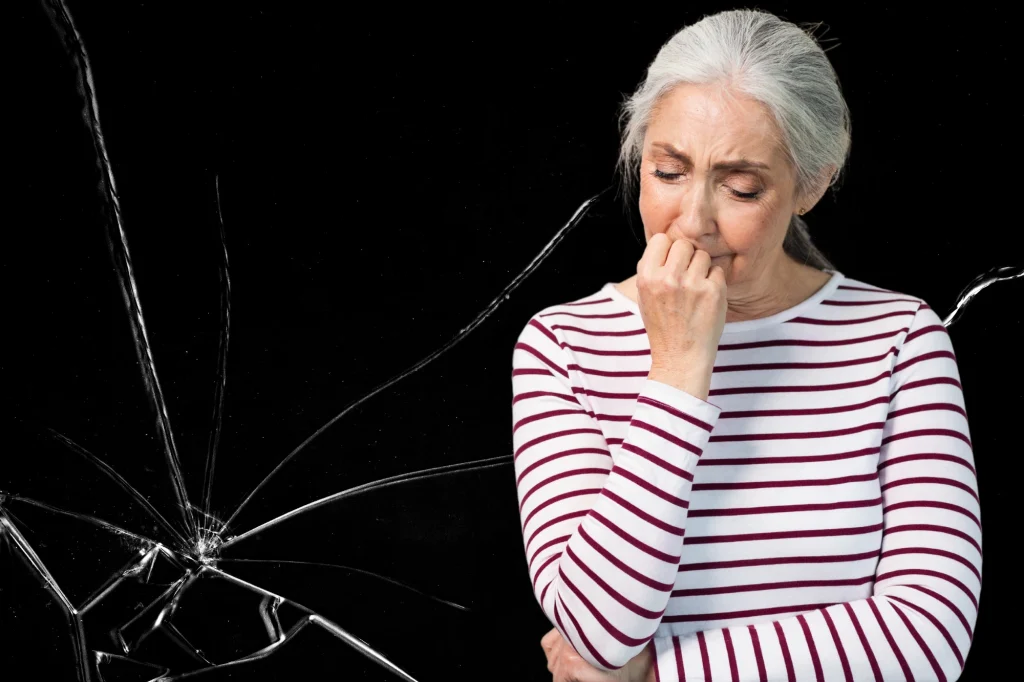
In this episode of Conversations on Aging, host Wendy Jones sits down with mental health expert Kate Mayor to explore the impact of trauma-based anxiety. Kate provides guidance on understanding trauma and offers practical strategies for managing anxiety, particularly for those in their later years. Join us for an enlightening conversation that offers hope and support for anyone on a healing journey.
Our bodies are truly remarkable. Designed to help us survive and thrive, sometimes our natural defense mechanisms go into overdrive, especially after experiencing trauma, anxiety, or other emotional challenges. Every day, we encounter a variety of stimuli. While most are harmless, our body’s alarm system may react as if there’s a significant threat, creating lasting effects that can lead to feelings of being on edge, anxious, or even depressed.
The Impact of Trauma

Trauma, particularly major events, can leave lasting marks on our mental and physical well-being. Sometimes, these effects aren’t immediately noticeable, and we may not even realize they’re happening. This is because our nervous system often stores the memory of traumatic events, almost like the body is holding onto that painful experience and replaying it subtly when certain triggers occur in everyday life.
Consider someone who has lost a close family member. This deep emotional pain can create a ripple effect, where even routine activities like driving a familiar route become overwhelming. This isn’t about being consciously afraid; it’s an internal shield raised to avoid reliving the pain.
How to Deal with Trauma-Based Anxiety

So, how do we begin to heal from this? A holistic approach is often key. Addressing the mind, body, and soul can make a significant difference. Start with nutrition, as what you feed your body can directly influence your mental well-being. Incorporate movement into your daily routine; research shows that even a little exercise can have effects comparable to antidepressants for managing anxiety and depression.
However, even with the best self-care practices, you might find yourself stuck. That’s when seeking professional help is important. EMDR (Eye Movement Desensitization and Reprocessing) therapy has proven effective for those dealing with trauma and anxiety, helping your brain reprocess old memories so they no longer trigger overwhelming reactions.
Getting Support

Often, someone close to you—a partner, friend, or family member—may notice that you’re not functioning quite the way you used to. They might see that you’re more withdrawn, anxious, or avoiding certain situations. While it can be difficult to hear that feedback, you should listen. Being open to seeking support is the first step toward healing.
There is no shame in reaching out for help. A true friend will always be there to tell you when something doesn’t seem right, and a professional can provide guidance and tangible solutions. You shouldn’t have to carry that burden alone.
Different Forms of Trauma

Remember, trauma doesn’t always look the same. Some people may experience “capital T” trauma—life-threatening events like a serious accident or the loss of a loved one. Others might have “little t” traumas, like ongoing stress from financial issues or difficult relationships. Both can impact us and both deserve attention.
Healing from Trauma

The good news is that healing is possible, and the right support can help you leave those painful memories in the past, so they don’t continue to affect your present. Take a moment to check in with yourself, and if something feels off, consider reaching out to a professional for support. You deserve to feel whole again, and it’s never too late to start that journey.

Subscribe to & Connect with Next Steps 4 Seniors: Conversations on Aging

Visit Next Steps 4 Seniors: https://nextsteps4seniors.com/

Popular Articles About Mental and Emotional Health
Originally published October 23, 2024
Author(s):