Essential Estate Planning Topics You Need to Discuss with Your Aging Parents

Dear Savvy Senior,
My siblings and I don’t know much about our parent’s financial situation or their wishes if something happens. They are both in their mid-eighties. What’s the best way to handle this and what all should we know?
Apprehensive Daughter
Dear Apprehensive,
Many adult children don’t know much about their elderly parent’s financial situation or end-of-life plans, but they need to. Getting up to speed on their finances, insurance policies, long-term care plans, and other information is important because someday you might have to handle their finances or estate plan. Without this information, your job becomes much more difficult. Here are some tips that can help.
Have the Conversation with Your Aging Parent

If you’re uncomfortable talking to your parents about this, use this column as a prompt or see TheConversationProject.org, which offers free guides that can help you kick-start these discussions.
It’s also a good idea to get all your siblings involved too. This can help you head off any possible hard feelings, plus, with others involved, your parents will know everyone is concerned.
When you talk with your parents, you’ll need to collect some information, find out where they keep key documents, and how they want certain things handled when they die or if they become incapacitated. Here’s a checklist of areas to focus on.
Personal Information

- Contacts: Make a list of names and phone numbers of your parent’s doctors, lawyers, accountants, brokers, tax preparers, insurance agents, etc.
- Medical information: Make a copy of their medical history and a list of medications they take.
- Personal documents: Find out where they keep their Social Security card, marriage license, military discharge papers, etc.
- Secured places: Make a list of places they keep under lock and key such as safe deposit boxes, safe combinations, security alarms, etc.
- Digital assets: Make a list of their digital assets – everything from social media accounts to online banking. It should include usernames and passwords.
- Pets: If they have a pet, what are their instructions for the animal’s care?
- End of life: What are their wishes for organ or body donation, and their funeral instructions? If they’ve made pre-arrangements with a funeral home, get a copy of the agreement.
Legal Documents
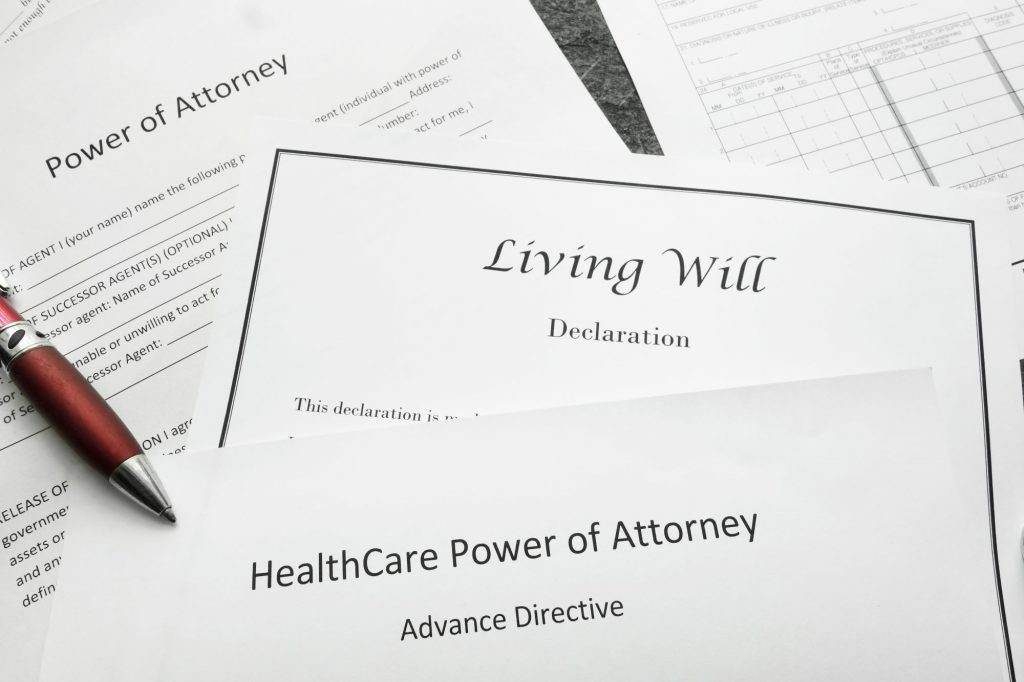
- Will: Do they have an updated will or trust, and where is it located?
- Power of attorney: Do they have a power of attorney document that names someone to handle their financial matters if they become incapacitated?
- Advance directives: Do they have a living will and a medical power of attorney that spells out their wishes regarding their end-of-life medical treatment? If they don’t have these documents prepared, now’s the time to make them.
Financial Records

- Financial accounts: Make a list of their bank accounts, brokerage and mutual fund accounts, and any other financial assets they have.
- Debts and liabilities: Make a list of any loans, leases, or debts they have – mortgages owed, car loans, student loans, medical bills, credit card debts. Also, list all credit and charge cards, including the card numbers and contact information.
- Company benefits: Make a list of any retirement plans, pensions, or benefits from their former employers including the contact information of the benefits administrator.
- Insurance: Make a list of the insurance policies they have (life, long-term care, home, auto, Medicare, etc.) including the policy numbers, agents, and phone numbers.
- Property: Make a list of the real estate, vehicles, or other properties they own, rent, or lease and where they keep the deeds, titles, and loan or lease agreements.
- Taxes: Find out where they keep copies of past year’s tax returns.
You’re probably not going to get all this figured out in one gathering, so it’s important to keep the conversation going to ensure your parent’s wishes will be accurately executed.
Send your senior questions to Savvy Senior, P.O. Box 5443, Norman, OK 73070, or visit SavvySenior.org. Jim Miller is a contributor to the NBC Today show and author of “The Savvy Senior” book.
More Essential Topics to Discuss with Your Aging Parents

Here are a few more resources to get the conversations rolling:
Should You Have a Joint Bank Account with Your Senior Parent?
Tips on Caring for an Aging Parent

Popular Articles About Estate Planning
Originally published January 10, 2024
Author(s):