How Seniors Can Prioritize Vascular Health for an Active Life

Aging causes various changes in the body, and vascular health is one of the most important factors to monitor. The vascular system is among the most important networks in your body, made up of arteries and veins that carry blood and lymph fluid throughout the body. As we get older, our risk for vascular conditions increases. Fortunately, you can lower vascular problems with the right strategy, including a healthy diet, regular exercise, and appropriate medical treatment. Learn how to keep your golden years golden with these tips on keeping your body healthy and your vascular system working properly!
Eat a Heart-Healthy Diet
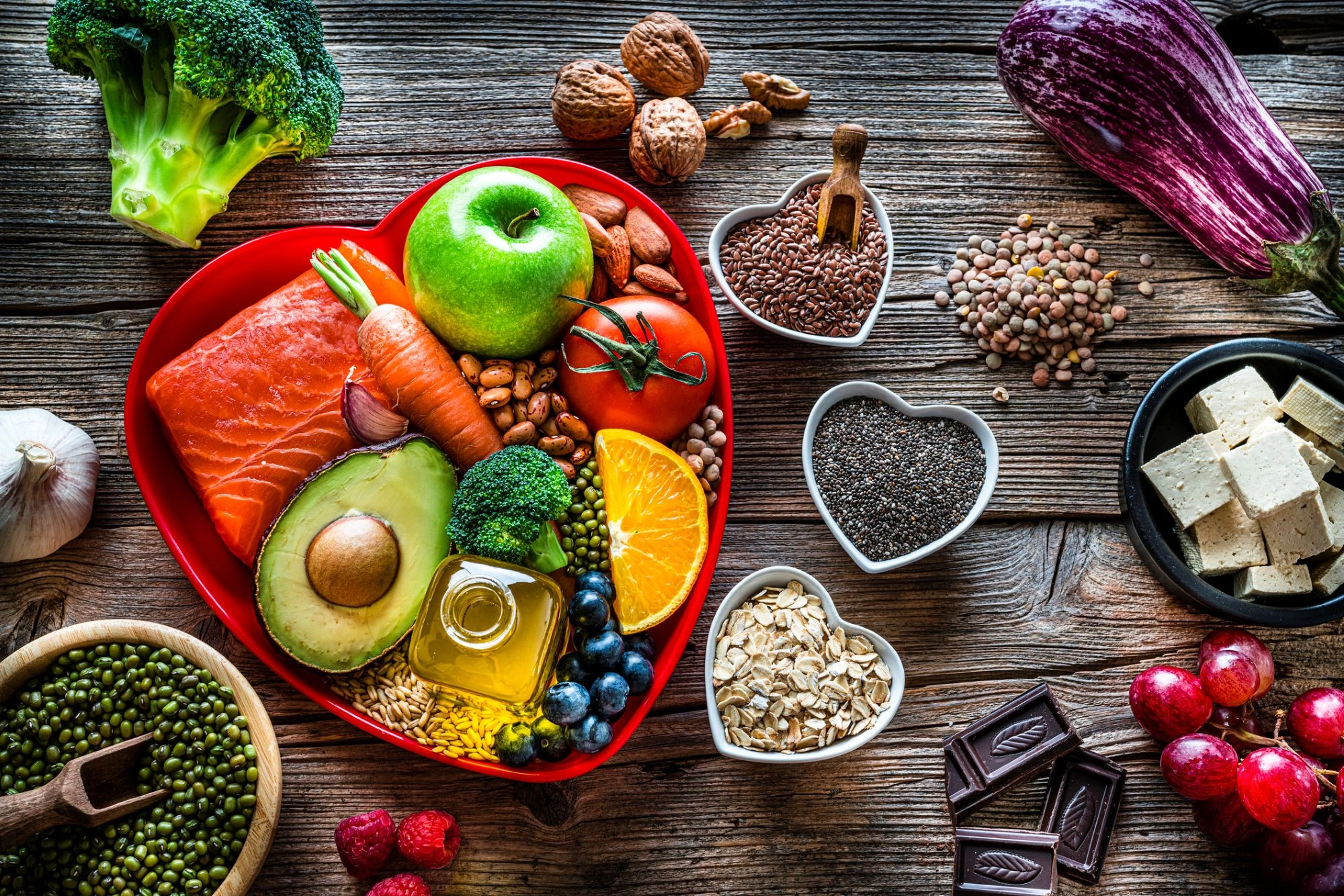
Nutrition is critical to vascular health, especially in older adults. A diet heavy in fruits, vegetables, whole grains, and lean proteins enhances blood vessel health and lowers inflammation. Foods heavy in omega-3 fatty acids, such as salmon, walnuts, and flaxseeds, help heart health by lowering bad cholesterol and raising good levels. By helping to lower blood pressure, reducing sodium consumption lessens the load on blood vessels.
Trans fats and processed foods should be avoided since they help to produce arterial plaque. Maintaining hydration is similarly vital since dehydration thickens the blood and increases the difficulty of circulation. Over time, little dietary adjustments like substituting whole grains for refined grains and adding more fiber can have a big effect on blood flow.
Some Foods to Eat for Better Vascular Health
Avocados
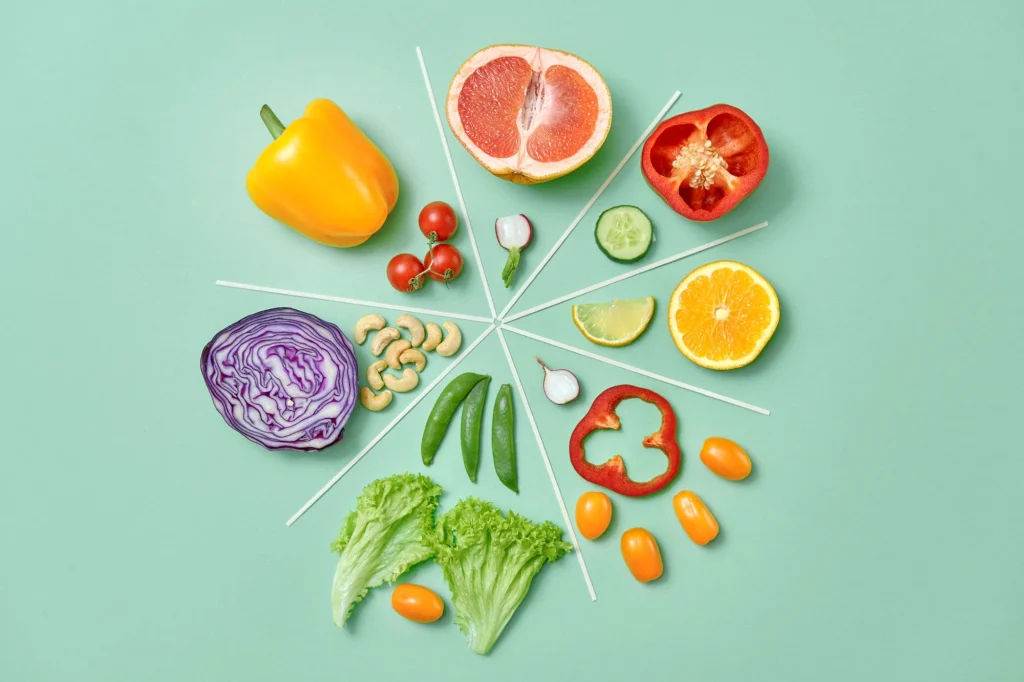
Rich in healthy fats, avocados offer potassium, which can lower your cholesterol and relieve tension in your blood vessel walls. Avocado oil can also offer similar benefits.
Berries
Berries are an amazing source of many antioxidants, including a type of flavonoid known as anthocyanin. This can help lower blood pressure, reduce inflammation, and prevent heart disease.
Garlic
Garlic is not just a tool for warding off vampires. It’s also great for reducing blood pressure and improving vascular health! All you need to do is add a pinch of fresh or powdered garlic to your meals to reap the benefits!
Leafy Greens
Remember when you were little and your mom forced you to eat your greens? Turns out she was onto something! Leafy greens, such as kale, spinach, and lettuce, can reduce inflammation and improve blood flow. Whether you want to eat them raw like Popeye or add them to a nice tossed salad, make sure you take a page from your mother’s advice book and eat a diet replete with leafy greens!
Oats
Love oats or hate them, they’re a fantastic way to lower your cholesterol and prevent clogged arteries. If you don’t like oatmeal, don’t sweat it! You can also add oats to smoothies or blend them to use as a flour.
Olive Oil
Cooking with extra-virgin olive oil is a great—and easy!—way to boost your vascular health. Not only is it anti-inflammatory, but it can also reduce your risk for heart disease. A win-win!
Engage in Regular Physical Activity
Did you know that exercise helps to keep blood vessels healthy and lowers the risk of vascular disease? Moderate physical activity, such as swimming, cycling, or walking, improves circulation and aids in weight management. Frequent movement strengthens the heart and improves blood flow, preventing arterial stiffness. Strength training improves vascular health by increasing muscle mass, which helps manage metabolism and insulin sensitivity.
Most days of the week, those who exercise for at least 30 minutes have better blood flow and lower levels of inflammation. Because sedentary lifestyles exacerbate vascular stiffness, it is critical to select enjoyable activities that encourage activity. Simple lifestyle adjustments, such as gardening or using stairs instead of elevators, can greatly enhance overall vascular health.
3 Kinds of Exercises That Promote Heart Health

Aerobic Exercise
Exercise does a body good—including the heart! As a matter of fact, doing at least 150 minutes of moderate activity per week can improve your circulation, lower your blood pressure, and reduce your risk of type 2 diabetes. Aim for 30 minutes a day, 5 days a week. Some aerobic exercises include running, swimming, cycling, and brisk walking.
Strength Training
Strength training—resistance training, in particular—can help reduce fat, lower bad cholesterol, and create lean muscle mass. Devoting at least two (non-consecutive) days to strength training can help you reap those benefits. You can work out with weights or do push-ups and weightless squats.
Stretches
Yep—you read that right. Even basic stretches can improve your vascular health. Whether you find a stretching routine on YouTube or take a pilates class at your local gym, stretching benefits your musculoskeletal health. While it doesn’t directly boost your heart health, it does keep you limber and flexible, making it easier to engage in those all-important aerobic exercises.
Manage Blood Pressure and Cholesterol Levels

Blood pressure and cholesterol levels are two important elements that affect vascular health. Because high blood pressure strains arteries excessively, they are more prone to injury and constriction. An imbalance of cholesterol can cause plaque development, limiting blood flow and raising the risk of heart disease. Prevention of problems depends on consistent control of these elements. Controlling blood pressure and cholesterol depends much on lifestyle choices, including exercise and a good diet. Sometimes, maintaining ideal levels can call for medication.
How to Manage Blood Pressure
- Reduce sodium intake: Limit processed foods and cook with minimal salt.
- Limit alcohol consumption: Everything in moderation applies to everything, even alcohol!
- Quit smoking: Smoking raises blood pressure significantly, so throw those cigarettes away.
- Get good sleep: Aim for 7-9 hours of quality sleep per night.
- Monitor it: Monitor your blood pressure at home regularly and discuss your readings with your doctor.
- Maintain a healthy weight: Even a little extra weight can raise your blood pressure! Try to stay within a healthy range and eat plenty of whole foods.
- Increase potassium intake: Include foods like bananas, potatoes, and leafy greens.
How to Manage Cholesterol Levels
- Reduce saturated fat: Limit red meat, full-fat dairy products, and processed foods high in saturated fat.
- Avoid trans fats: Check food labels and avoid products containing “partially hydrogenated oils”.
- Increase soluble fiber: Eat plenty of fruits, vegetables, legumes, oats, and whole grains.
- Get regular exercise: Aim for at least 150 minutes of moderate-intensity exercise per week.
- Consult your doctor: Always discuss your cholesterol levels and management plan with your healthcare provider to determine the best course of action.
Prioritize Stress Management

Chronic stress impairs vascular health by raising blood pressure and causing inflammation. Stress hormones can narrow blood arteries and, over time, help to cause heart disease. Using relaxation techniques, including gentle yoga, meditation, and deep breathing, lowers stress and enhances cardiovascular health. Establishing a consistent sleep schedule and making sure one gets enough rest also helps to improve vascular function.
Furthermore, helping to control stress properly is connecting with encouraging social networks and participating in fun events. Using constructive coping mechanisms lessens its effect on blood pressure and circulation. Early stress management helps to maintain long-term vascular health and enhances the general quality of life.
Click here for 20 Inexpensive (and FREE) Self-Care ideas!
Schedule Regular Medical Check-Ups

Finding and treating vascular problems before they become severe depends on routine physician visits. Frequent blood pressure, cholesterol, and blood sugar level tests help to identify possible risk factors early. Those with symptoms including numbness, swelling, or limb pain should consult a doctor right at once. See a reputable vascular surgeon in Memphis or in your area to get specific treatment choices and care for preserving vascular health. Reducing problems and enhancing general well-being depend much on early intervention and preventative care. Following medical advice and advised therapies guarantees efficient management of vascular diseases. Being proactive about health enables people to have an active and happy life far into their golden years.
More Health Resources
Image Credit: Eleganza | Getty Images | https://www.shutterstock.com/g/Ground+Picture | Shutterstock | Getty Images

Popular Articles About Heart Health
Originally published February 28, 2025
Author(s):