Moving Away from Ultra-Processed
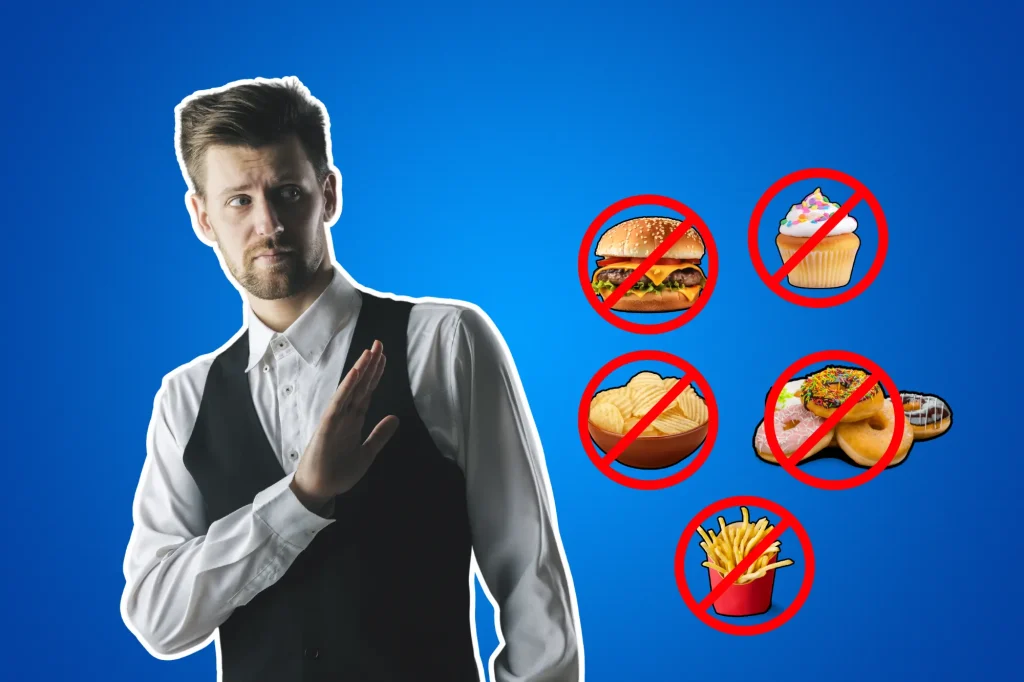
You hear a lot about ultra-processed foods these days. They have become the new thing to avoid. But it can be a little confusing to know what ultra-processed means. Milk is processed through pasteurization; tomatoes are processed into tomato sauce; even vegetables are processed when they are frozen or canned. These are all helpful things that make food available and affordable year-round.
Ultra-processed foods are foods that have undergone processing that goes beyond preserving the food, enhancing its vitamin content (e.g., adding folate to cereals to prevent spina bifida) or enhancing safety; this extensive processing creates new products. These are products that have undergone intense processes such as refining, high-temperature extrusion, and molding. They include added colors, flavorings, emulsifiers, and other artificial ingredients designed to heighten flavor, mouthfeel, and cravings. Often the additions increase shelf life.
The concern over ultra-processed foods is that studies are suggesting highly processed and ultra-processed packaged and convenience foods may be linked to diseases and conditions such as obesity, cardiovascular disease, Type 2 diabetes, and some cancers, according to Tufts University. The recommendation is to eat fewer ultra-processed foods and more whole, minimally processed foods.
Here are a few examples!
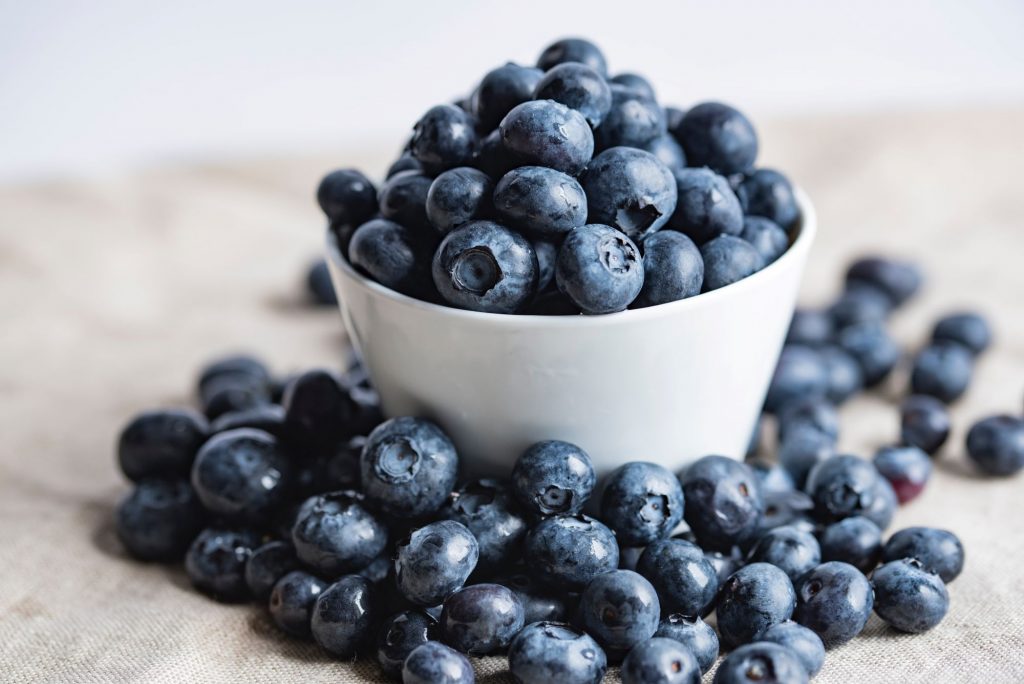
Fresh or frozen blueberries are considered an unprocessed food, but blueberry jam would be a processed food. Take it one step further, and blueberry pie is an ultra-processed food. Wheatberries or whole-wheat flour are unprocessed foods; freshly baked stone-ground whole-wheat bread would be a processed food; and sliced packaged white bread or cake would be an ultra-processed food. We could follow the same process from milk to cheese to ice cream.
The goal is to eat more whole and minimally processed foods such as fruits, vegetables, nuts, seeds, beans, lentils, whole grains, yogurt, milk, cheese, eggs, fresh or frozen seafood, poultry and lean meats.
Make a few simple swaps:
- Instead of cheese crackers, choose whole grain crackers with sliced (real) cheese.
- Instead of a frozen TV dinner, cook dinner yourself and individually freeze portions for later.
- Or, instead of plant-based meat alternatives, make your own black bean burgers.
- Replace Tater Tots, fries, and dehydrated potato flakes with roasted potatoes.
It will take a little more time in the kitchen, but your health is worth that time investment!
Q & A!
Q: Are sprouted breads a healthier choice over white bread?
A: Sprouted grains are simply whole-grain seeds that have just begun to sprout. Sprouted grains do have many health benefits. Germinating the seeds breaks down some of the starch, which makes the percentage of nutrients higher. And it breaks down phytate, a form of phytic acid that normally decreases absorption of vitamins and minerals in the body. So, sprouted grains have more available nutrients than mature grains. To make bread from sprouted grains, the grains are often dried into flour, then made into bread. Sprouted grain is certainly a better choice than white bread because of its fiber content (from the whole grain) and availability of nutrients.
Recipe
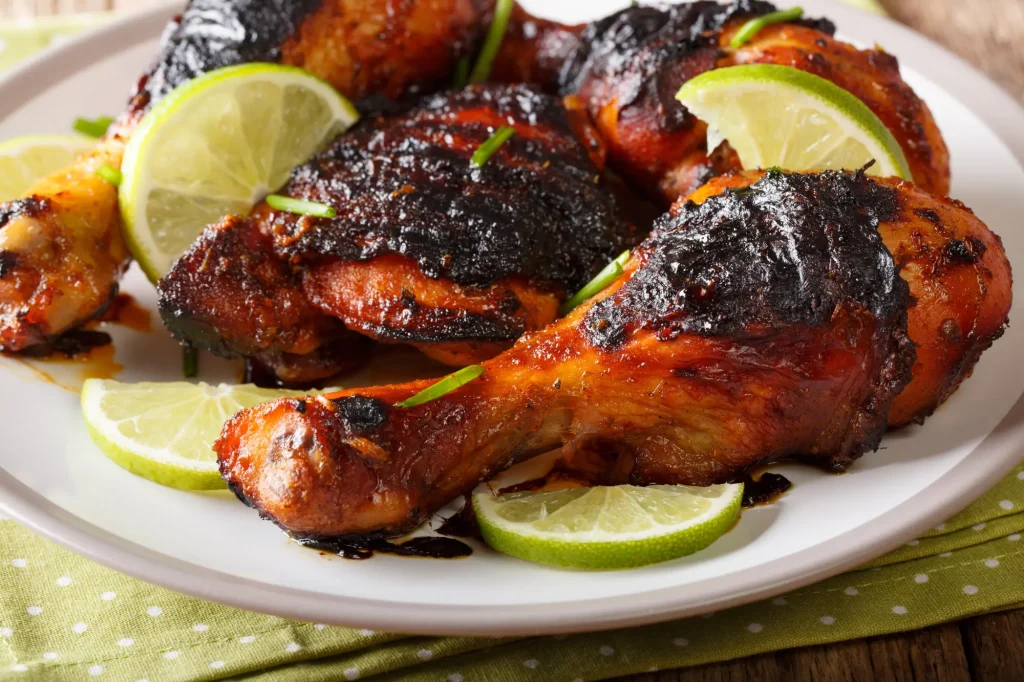
For many of us, chicken is our go-to evening meal. It’s quick, easy, healthy and versatile. Here’s a recipe from “Cooking Light Best Ever Test Kitchen Secrets” using chicken thighs. Serve with a vegetable, such as broccoli or green beans, and a whole grain like quinoa or brown rice.
CHICKEN THIGHS WITH GARLIC AND LIME
Servings: 2
Ingredients:
1 tablespoon minced garlic
1 1/2 teaspoon ground cumin
1/2 teaspoon dried oregano
1/4 teaspoon salt
1/8 teaspoon pepper
2 tablespoons fresh lime juice, divided
4 (4-ounce) bone-in chicken thighs, skinned
3 tablespoons fat-free, less-sodium chicken broth
1 tablespoon white vinegar
2 teaspoons chopped fresh cilantro
2 lime wedges
Steps:
- Preheat oven to 350 F.
- Combine first 5 ingredients in a small bowl; stir in 1 tablespoon lime juice.
- Rub garlic mixture over chicken.
- Place chicken in medium skillet.
- Combine 1 tablespoon lime juice, chicken broth and vinegar; pour over the chicken.
- Place over medium-high heat; bring to a boil.
- Remove from heat.
- Wrap handle of pan with foil.
- Cover and bake at 350 F for 30 minutes or until it reaches 180 F.
- Remove chicken from pan; keep warm.
- Place pan over medium-high heat.
- Bring to a boil and cook until liquid is reduced to 1/4 cup (about 3 minutes).
- Spoon over chicken.
- Sprinkle with cilantro and serve with lime wedges.
Yield: 2 servings.
Per serving: 200 calories; 26.4 grams protein; 10.4 grams carbohydrates; 5.5 grams fat (1.3 grams saturated); 107 milligrams cholesterol; 4 grams fiber; 475 milligrams sodium.
COPYRIGHT 2024 CREATORS.COM

Popular Articles About Nutrition
Originally published July 31, 2024
Author(s):