If I’m 70-Years-Old, Can I Still Attend College?

When we reach retirement age, most assume our learning days are over. After all, isn’t the purpose of retirement to kick back, relax, and enjoy our golden years? However, many retirees are learning that going to college can enhance their overall quality of life. In fact, according to a recent CivicScience survey, eleven percent of all U.S. adults are considering returning to school. Whether you’ve already gotten a degree or never got the opportunity to go to college when you were younger, you probably have questions. For example, how old is too old? Can a 70-year-old go to college? Do colleges have age limits? You’re in the right place if you’re seeking the answers to those questions! Here’s everything you need to know about returning to college as an older adult.
Do Colleges Accept Seniors?

They say you can’t teach an old dog new tricks. But when it comes to higher education, that couldn’t be further from the truth. Age is never a barrier to learning, and colleges across the United States agree. In fact, many offer courses and programs designed for older learners. First things first, even seniors have every right to go back to college if they so choose. Some institutions even offer scholarships and grants specifically for seniors. Of course, the admissions process may differ slightly for seniors. Make sure you check the requirements first before you enroll in any classes!
Popular Online Programs
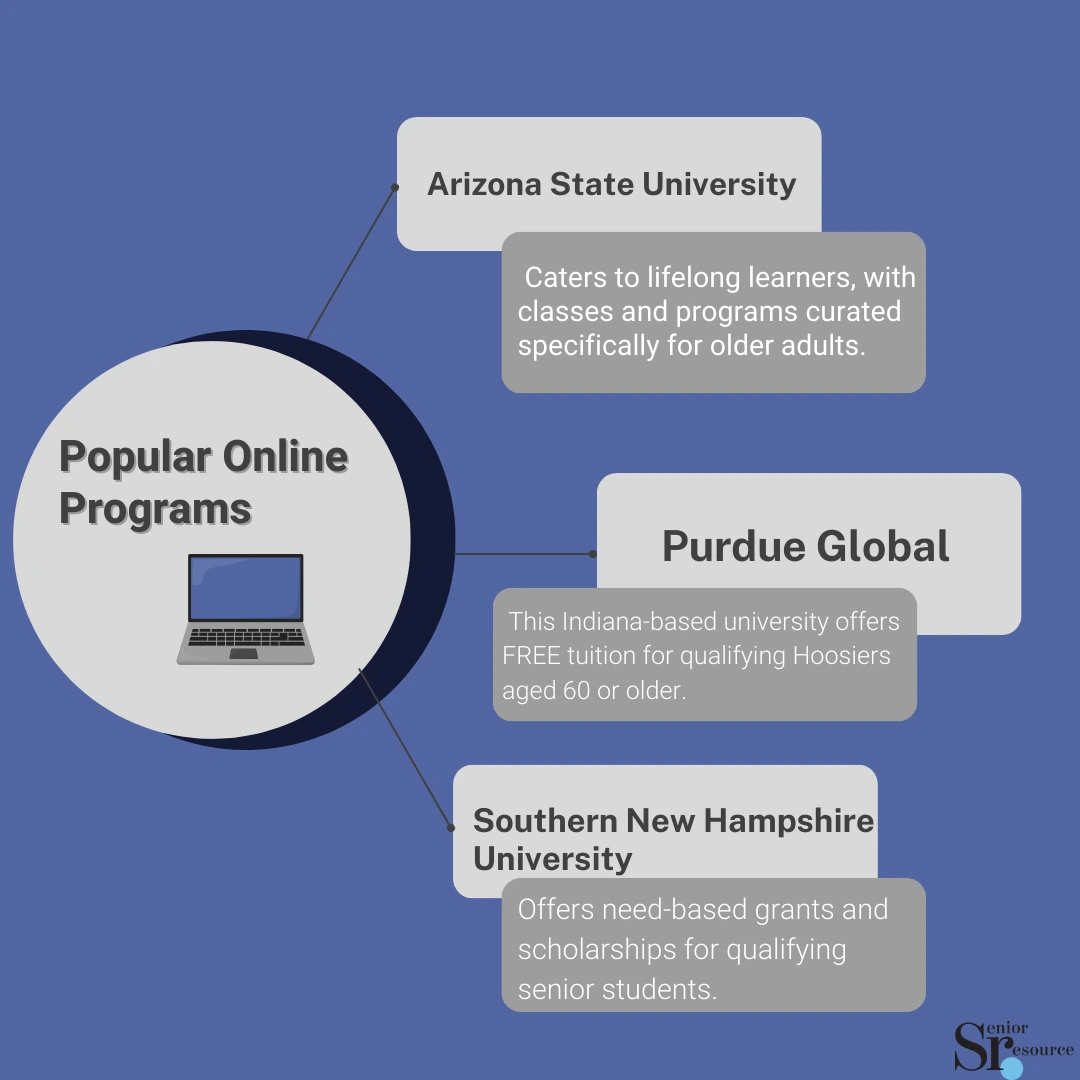
- Arizona State University: Arizona State University caters to lifelong learners, with classes and programs curated specifically for older adults. It offers personalized learning pathways and an array of non-credit courses, available online, in-person, or even both.
- Purdue Global: This Indiana-based university offers FREE tuition for qualifying Hoosiers aged 60 or older. Additionally, you can earn prior learning experience, such as previous work experience, training and certifications, and even military experience. Purdue Global also offers continuous learning courses. The best part? They’re either FREE or low-cost!
- Southern New Hampshire University: Boasting low tuition rates and all online courses, this might be a great option for seniors who don’t want to deal with the hassle of going to class in person every day. They offer associate, bachelor’s, and master’s degrees in a wide range of subjects, including accounting, engineering, psychology, and technology. While already one of the most affordable options, they also offer need-based grants and scholarships for qualifying students.
Colleges with Low-Cost Tuition for Seniors

- California State University System: Calling all California retirees! Did you know that per Education Code 89330, all Cal State campuses are required to grant tuition waivers to Cali residents aged 60 and older? Students in the program can enroll for $13.50 for the fall and spring semesters. It’s important to note that the semester fee does not cover books, parking, or lab fees.
- Clemson University: This South Carolina-based university offers FREE tuition to state residents over 60. However, it’s important to note that not all programs and majors participate.
- Kentucky State University: If you’re a Kentucky resident aged 65 or older, we’ve got great news. You can attend Kentucky State University without paying a dime on tuition! However, it’s important to note that this waiver does apply to other fees, such as parking and course fees.
- University of Alaska Anchorage: This Alaska-based university waives regular tuition for residents age 65 or older who register on a space-available basis.
- University of Arkansas: Good news for Arkansas residents aged 60 and older! You are cordially invited to enroll in existing for-credit courses based on space availability.
What Are the Benefits of Senior Education?
Some seniors might wonder why they should go back to college. After all, their school days are long behind them! However, lifelong learning offers countless benefits—beyond obtaining a degree or certification. Here are just a few that you should keep in mind!
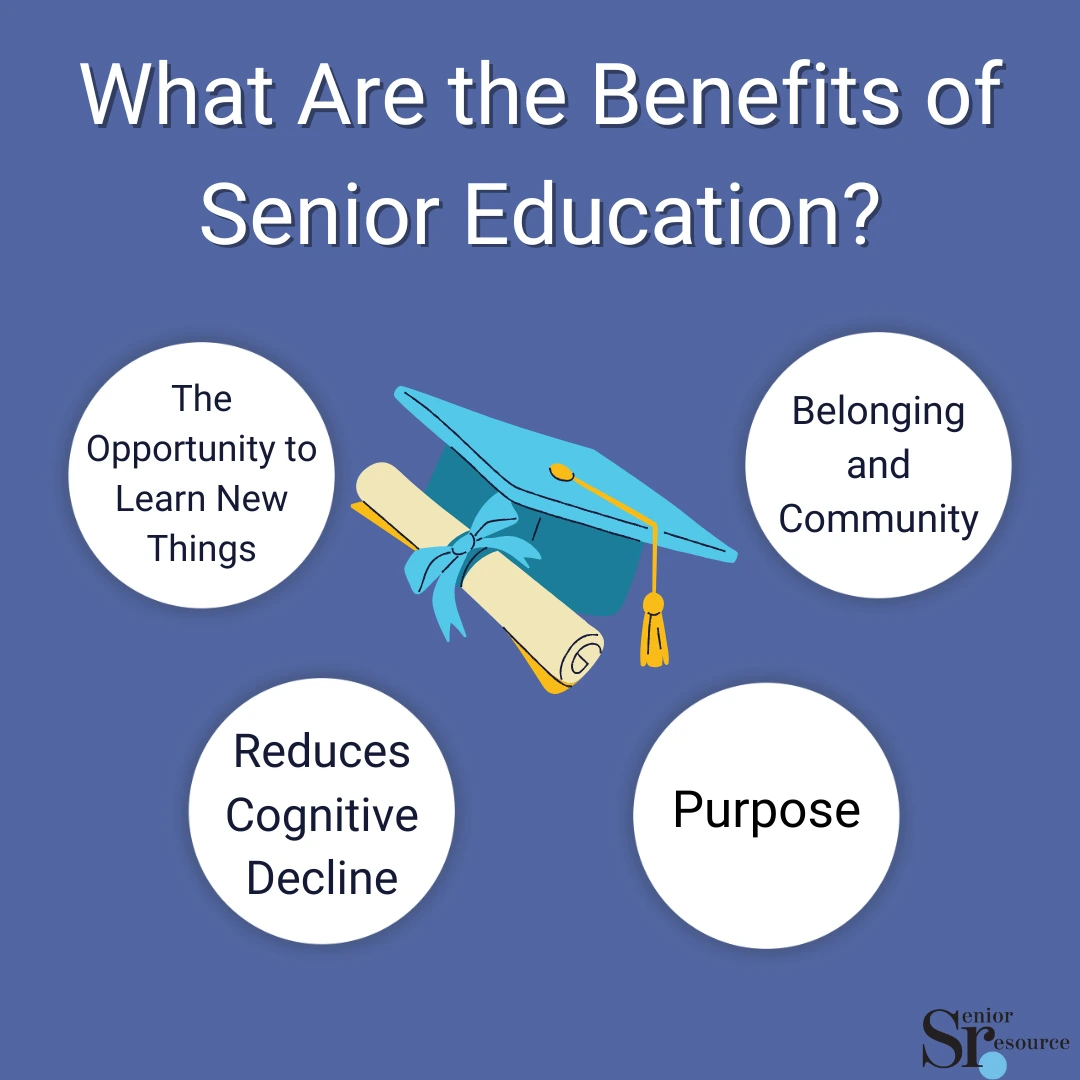
The Opportunity to Learn New Things
We’ve all heard the phrase, “Knowledge is power.” Turns out, that might be more than a quippy saying. According to WebMD, one study examined adults ages 58 to 86 who took three to five new classes for 3 months. Study participants increased their mental abilities to the level of people 30 years younger after just a month and a half. Talk about an eye-opening statistic!
Reduces Cognitive Decline
Did you know that lifelong learning can reduce your risk of developing dementia? In fact, it can result in less memory loss and delay age-related mental decline. Reading and working on your coursework will help to keep your brain active, which can delay the onset of Alzheimer’s disease by 5 years among those aged 80 years and over. Wow!
Purpose
Do you remember the days when you bolted out of bed at the shrill cry of your alarm, hopped in the shower, and raced to work? Maybe you were exhausted and a little stressed, but at least you knew what you were doing every day. Sadly, some retirees languish in retirement and may lack a sense of purpose. Fortunately, going back to college allows you to explore new subjects and meet new people. Plus, your coursework will occupy your time and brain, returning that all-important-and-much-needed sense of purpose to your life.
A Strong Sense of Belonging and Community
Speaking of things you might miss in retirement, you might find yourself longing for the days you socialized with your coworkers around the coffee pot. It can be difficult for seniors to connect with others, particularly if they have mobility issues or no access to transportation. Fortunately, college campuses are always bustling with activity and energy! You’ll have plenty of opportunities to connect with other students, which can be especially beneficial for seniors who live alone. Even online courses allow you to cross paths with people you wouldn’t have met otherwise.
What if you fall behind?
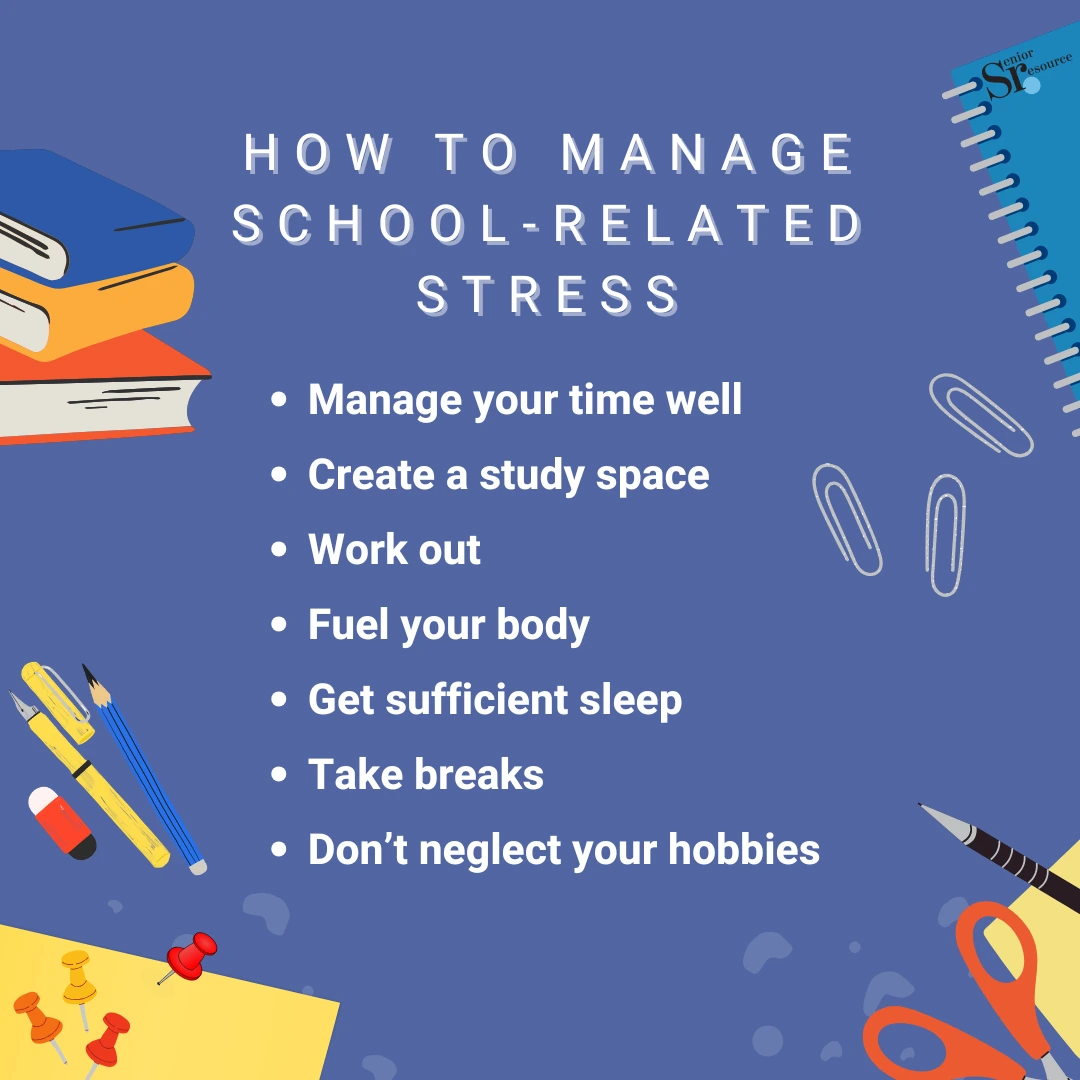
Remember when you were back in school and scared you’d fall behind your classmates? Well, you might face the same fear if you decide to take adult education classes. However, it’s important to remember that everyone learns at their own pace. Many colleges offer accommodations for seniors, such as extended time on exams. A few ways to manage school-related stress include:
- Manage your time well: Create a schedule or planner to track assignments, deadlines, and study times. Make sure you don’t put off tasks until the last minute!
- Create a dedicated study space: A clutter-free, organized workspace can help you focus and reduce stress.
- Do a workout: Exercise is a proven stress-killer. Make sure you don’t neglect your body in your bid to strengthen your brain!
- Fuel your body: Eat healthy foods, such as leafy greens and fruits, to keep your energy and focus high.
- Get sufficient sleep: Aim for 7-9 hours of quality sleep per night. Don’t pull all-nighters!
- Take breaks: It’s okay to take a brain break every now and then. Don’t be afraid to walk away from your desk and put projects aside to recharge and refocus.
- Don’t neglect your hobbies: Have you heard the phrase, “All work and no play makes Jack a dull boy”? Apply it to your own life! Don’t get so consumed in your coursework that you let your hobbies fall to the wayside. Downtime is important, too!
Looking for more?
Search for senior education near me.

Popular Articles About Senior Education
Originally published March 20, 2025
Author(s):