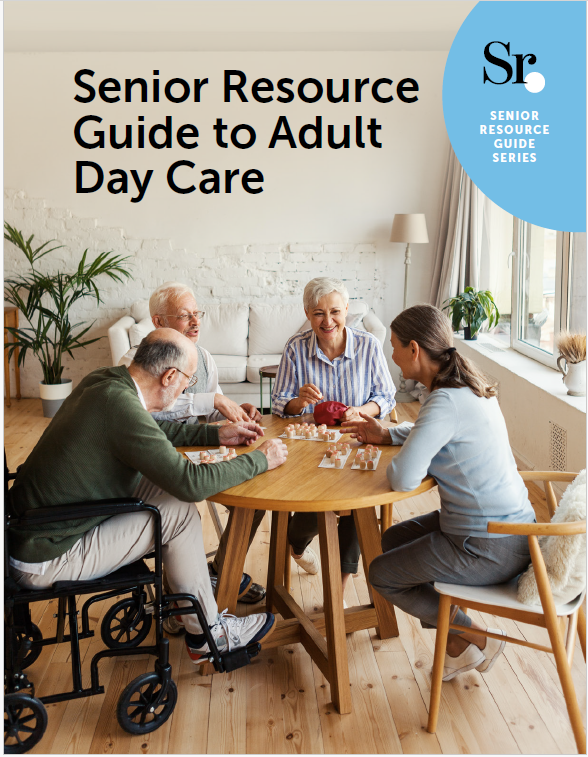
Mental Health Resources for Seniors: Coping with Depression, Anxiety, and Loneliness
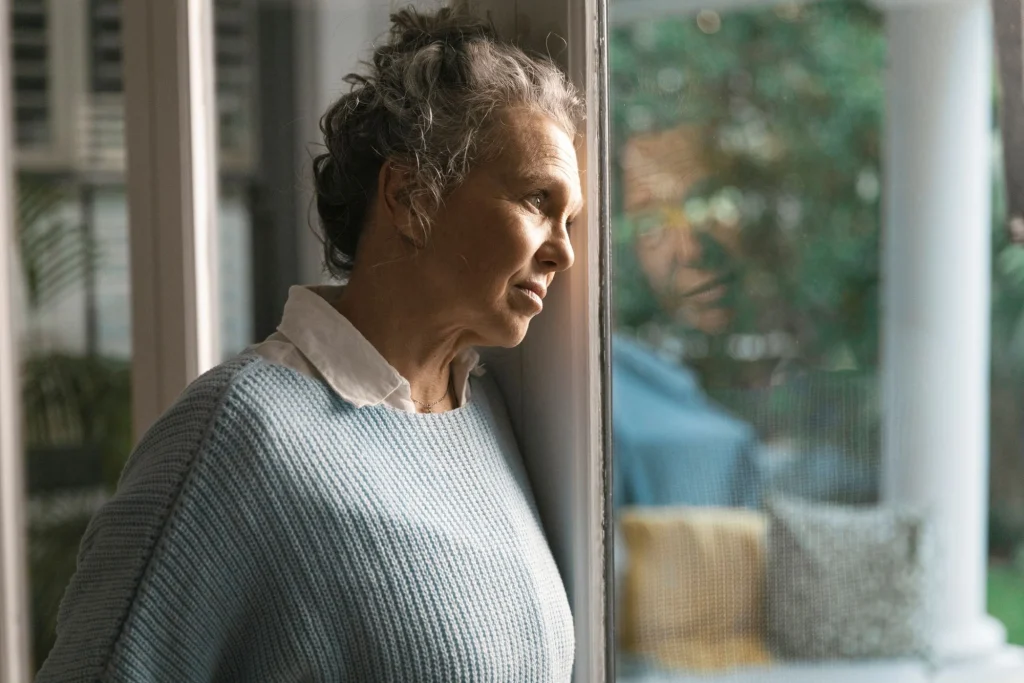
Did you know that 20% of people aged 55 and over struggle with their mental health? Mental health is a serious issue for seniors, and it’s not discussed enough. Seniors have run the gamut of mental health issues and often fall prey to depression, anxiety, and loneliness. The good news is, it doesn’t have to be that way. There are many resources available to seniors to help them cope with mental health issues and maintain strong social connections. If you’re an older adult, you’re already in the right place. Here are the top mental health resources for seniors!
1. Counseling services

Counseling services are an excellent resource for struggling seniors. Counselors can provide guidance, support, and strategies for coping with depression, anxiety, and other mental health struggles. Some counseling services may be covered by insurance plans, while others may offer lower fees for seniors. To find a counselor near you, talk to your doctor or call a mental health hotline.
Click HERE to find a therapist near you.
2. Support groups

In addition to counseling, support groups can also be a valuable resource for seniors. These groups offer a safe and welcoming space where individuals can come together to share their experiences and provide emotional support. Support groups can be particularly helpful for older adults who feel isolated or disconnected from their communities. Many support groups are available online, making it easy to access them from the comfort of your own home.
3. Coping mechanisms
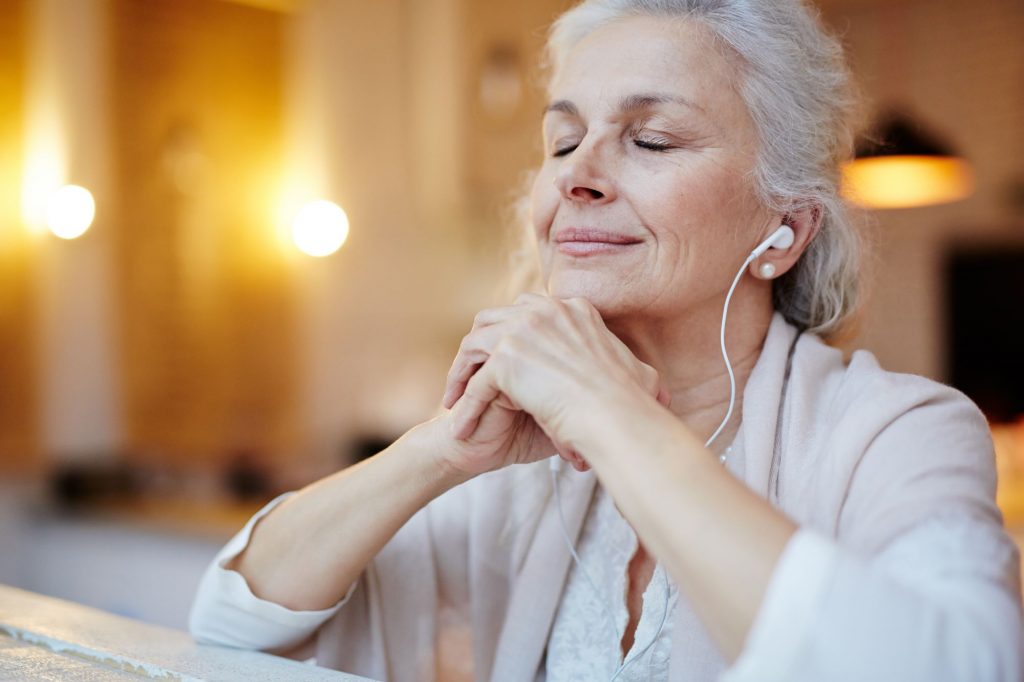
Of course, counseling and support groups aren’t the only ways seniors can deal with mental health issues! Certain coping mechanisms may also be beneficial. For example, practicing mindfulness has been shown to reduce stress and anxiety levels. Physical exercise, such as taking a walk or doing Pilates, can also have a positive impact on mood and overall mental health. Additionally, engaging in creative activities, such as painting, writing, or playing music, can be a relaxing way to process emotions.
4. Physical activity

Physical activity is one of the best ways to maintain a healthy mind and body. In fact, studies show that regular participation in aerobic exercise can reduce overall tension levels. Seniors should aim to stay active and get out of the house regularly. Taking a walk or participating in gentle exercises can help release endorphins, reduce stress, and improve mood.
4. Maintain a healthy diet.

Maintaining a healthy diet plays a vital role in overall mental health. Seniors should focus on eating a balanced diet including plenty of fruits, vegetables, lean proteins, and whole grains. Foods rich in omega-3 fatty acids, such as salmon, walnuts, and flaxseed, can also help improve mood and reduce anxiety. How about those apples?
4. Stay connected to friends and loved ones.
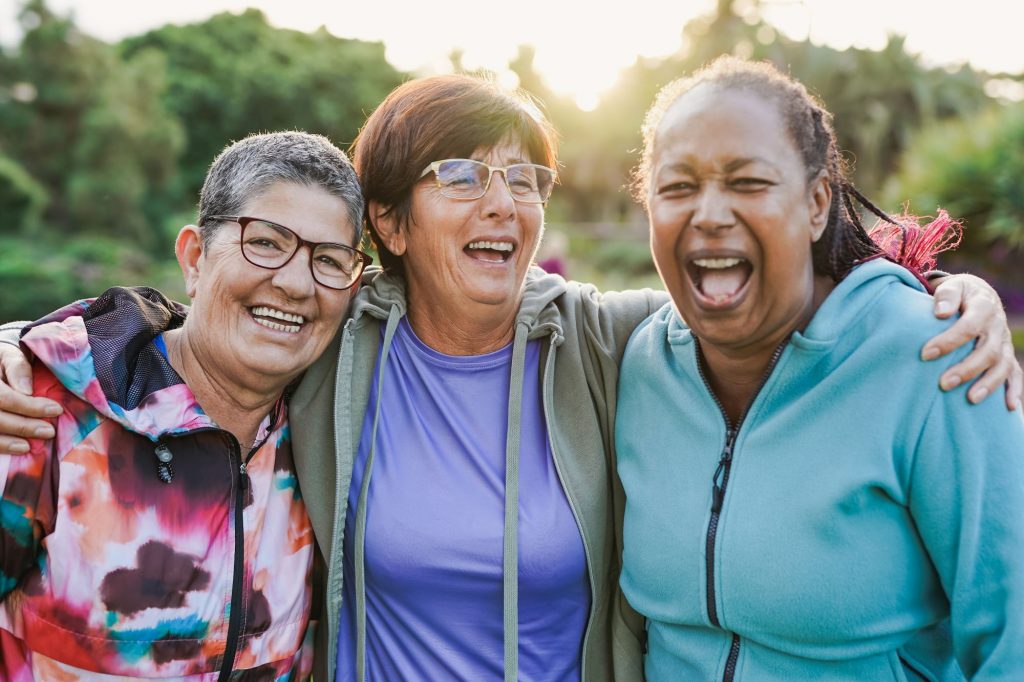
Loneliness is a common problem for many people, but it may be especially detrimental to seniors. After all, friendship is important at any age! Luckily, there are many ways to stay connected with others, even if you can’t leave your home. Video chatting and social media can be a great way to stay in touch with friends and family who live far away. Additionally, volunteering or participating in community activities can be an excellent way to make new friendships and maintain old ones!
5. Self-care

Oftentimes, when our mental health suffers, so do we. However, self-care is incredibly important for our overall well-being. Self-care doesn’t have to be some big, fancy ordeal. It includes simple practices, such as taking daily walks, engaging in your favorite hobby, or spending time in nature. Journaling is also a great way to practice self-care. Not only can engaging in self-care activities regularly promote healthy aging, but it can also help prevent mental health issues!

Popular Articles About Mental and Emotional Health
Originally published January 20, 2025
Author(s):