Address: 6375 W. Charleston Blvd., Las Vegas, NV 89146
Overview
Advertisement.
Our Campus
Nestled at the foot of Mount Scorpion in Henderson, our 511-acre campus is rapidly developing to meet our growing student population and dynamic programs. Our five buildings house energy-efficient, 40-student or smaller classrooms, and our open community spaces forward sustainable principles with solar panels, xeriscaping, and an organic teaching garden that also serves our campus cafe. BE INSPIRED by our expansive views of the Las Vegas Valley and the world beyond.
Advertisement.
Get weekly tips on housing, retirement living, senior care, and more sent right to your inbox.
College of Southern Nevada Location
Address: 6375 W. Charleston Blvd., Las Vegas, NV 89146
Las Vegas, a city located in the state of Nevada (NV), is home to a population of approximately 2,248,050 people. Las Vegas boasts a median age of 38.1, with around 21.1% of its residents aged 60 or above. 8.2% of the population identifies as US Veterans. 12.9% of Las Vegas residents are disabled. The city has an average household income of $66,356, while the unemployment rate stands at 7.4%, and around 14.7% of the population is considered to be living below the poverty level. In terms of housing, the average home value in Las Vegas is $363,740, with a monthly rent averaging $1,356.
Leave a Review
About Senior Education
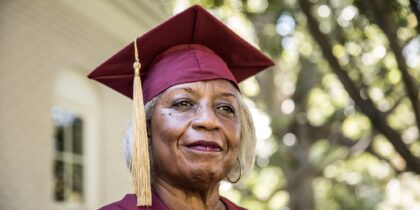
From personal enrichment classes to career preparation, these programs cater to the diverse interests and needs of older adults. Whether you want to explore a new hobby, brush up on your computer skills, or delve into academic subjects, there are options available to suit your preferences. Senior and adult education programs are available nationwide, offering a wide range of classes and programs specifically designed for learners over the age of 55. It's never too late to learn something new!
Types of Senior Education Available to Adults Over 55
Tuition-Free College Courses - Many colleges across the United States understand the value of lifelong learning and offer tuition-free courses specifically designed for seniors. These courses are typically offered as part of a senior citizen audit program, allowing older adults to attend classes without earning credits. While seniors may be responsible for purchasing their own textbooks and materials, some campuses even provide senior discounts to make the learning experience more accessible.
Continuing Education/Certificate Programs - If you’re still part of the workforce or want to gain new skills, check out your local trade schools or community colleges for continuing education/certificate programs. Many classes focus on granting participants CEUs (continued education units) or certificates of completion. Think refresher courses on providing childcare or certification in first aid and CPR.
Personal Enrichment - There are so many opportunities to learn new things, meet new people, and have lots of fun doing it all! If you’ve always wanted to learn how to make jewelry or make the perfect souffle, personal enrichment classes are a great, affordable way to do it!
Intergenerational Programs - Many senior and adult education programs also promote intergenerational interactions by incorporating younger students or volunteers, creating an environment where different age groups can learn from one another.