Signs It’s Time for a Move to a Skilled Nursing Facility
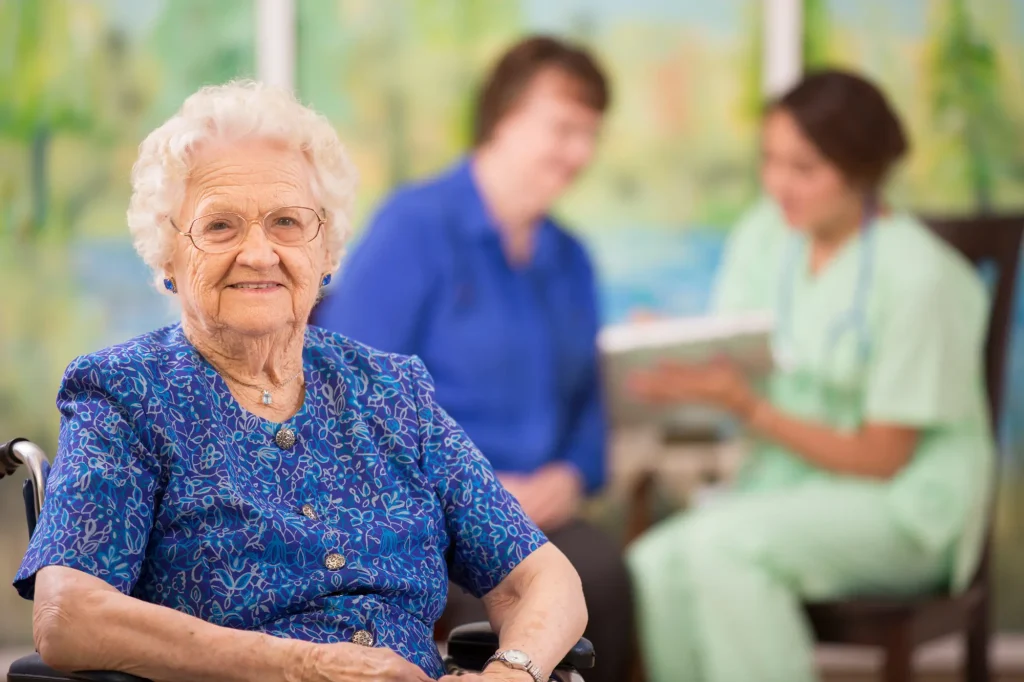
During Thanksgiving dinner at my 87-year-old mother-in-law Jane’s home, we noticed she wasn’t herself. On the phone, she sounded like her usual self, but something was different.
“Did you think something was off with your mom?” I asked my wife after our visit.
“Yes,” Mary Ann said. “I was just about to ask you that.”
Jane sat off to the side most of the time, disengaged from all the chatter. Jane has three children but lives alone, with the closest relative about 100 miles away.
Shortly after Thanksgiving, Jane spent a week in the hospital and then stayed with us for a month while recuperating. That’s when the family became more proactive in caring for her.
I observed a few things during this saga that I thought I’d share with other Boomers who might have an aging mother or mother-in-law. Things that let us know that it was time to start thinking about a move to a skilled nursing facility.
1. You can’t gauge their condition based on phone calls.

While Jane was recovering at our home, she was frail-looking and could hardly stand up on her own. However, when her son called, she said she was doing just fine. Reality and the picture she gave us in her phone calls were two vastly different things. My wife and I sprang to action, creating a schedule for family members to visit Jane, buy groceries, fill subscriptions, pay bills, and many other things. By actually spending the day or even an overnight visit, we got a much better feel for how she was doing. Don’t assume that everything is okay just because someone sounds like their normal self on a phone call!
2. Pay attention to someone’s condition.
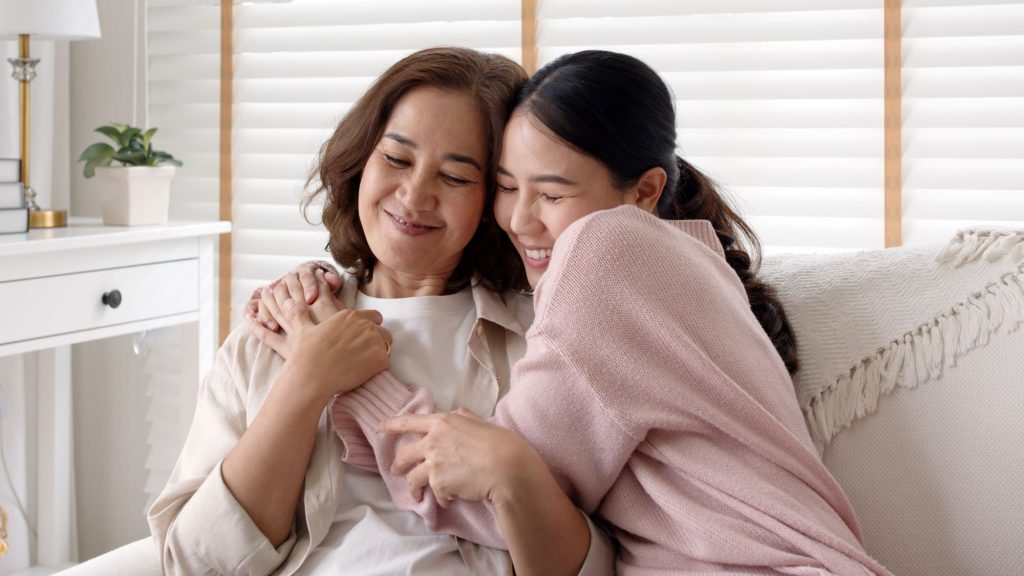
Increasingly, my wife and I noticed that Jane was struggling with day-to-day living. She let her prescriptions run out, wasn’t able to take inventory of food supplies, and got confused about whether or not she’d paid bills. We started her on Meals on Wheels, made her grocery list, checked medications, and took over bill paying. Also, we escorted her to doctor’s visits so we could hear firsthand what the doctor said. However, during our visits, we noticed uneaten Meals on Wheels, medicine that hadn’t been taken, and groceries that had never been used. This concerned us for obvious reasons.
3. Make notes of what they’re forgetting.
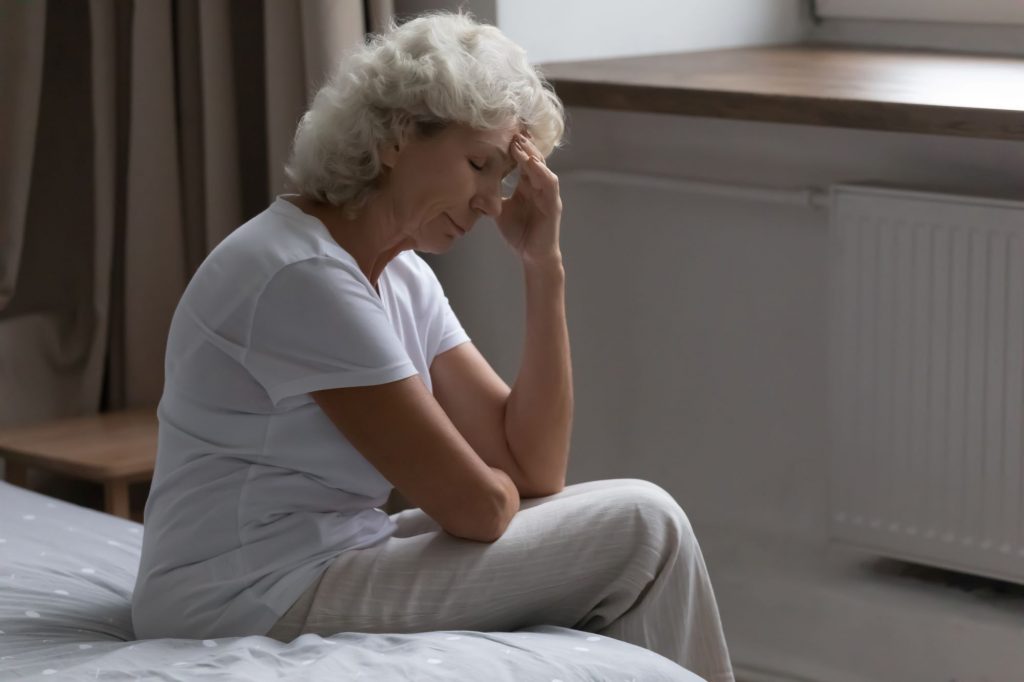
We were visiting Jane when a lady called her to ask for money for some charity. Jane said she didn’t know the lady, even though she lived in the neighborhood. Jane told the lady she didn’t have much money but would do what she could. My wife and I exchanged a look that seemed to say, This isn’t good. Without uttering a word, we both knew she probably couldn’t live by herself for much longer.
4. Don’t put off what you know needs to be done.
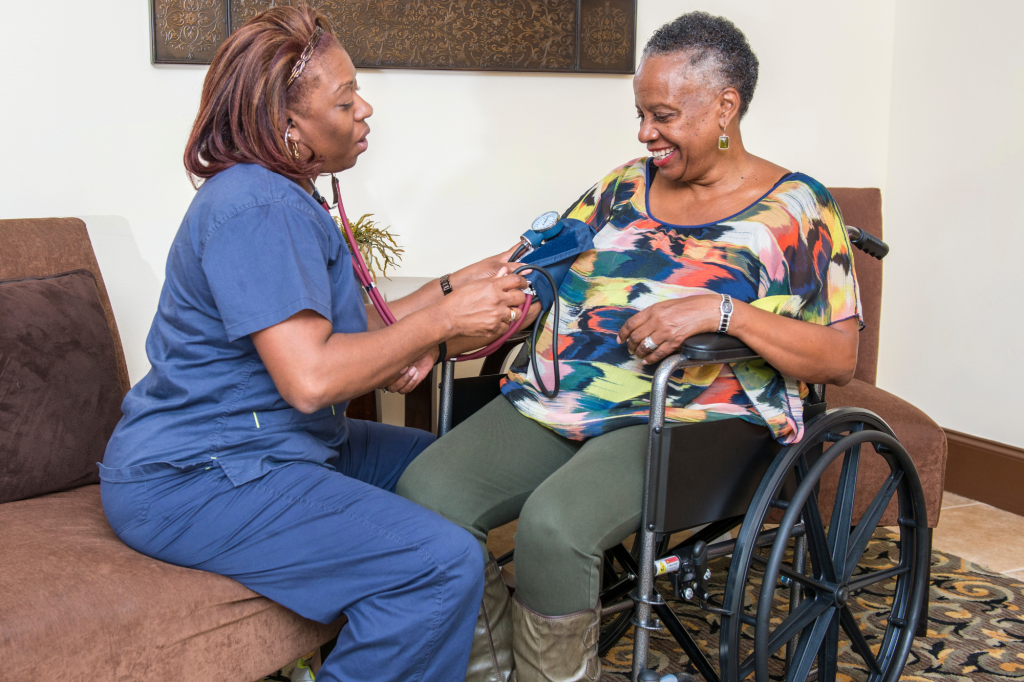
About two weeks ago, we got a call from Jane at 10:30 p.m. She’d fallen in her bedroom and couldn’t get up. The EMTs took her to the hospital for a week’s stay. She didn’t break anything but injured herself so badly that she hasn’t been able to walk on her own. The doctor says she has syncope, which means she is prone to dizzy spells. He also added that, at 88 years old, she doesn’t need to live alone. That’s when my wife and I knew we couldn’t delay the inevitable anymore…or ignore the obvious signs that it was time for a skilled nursing facility.
The hospital transferred Jane to a skilled nursing center for rehab, where she’s been this last week. We told Jane what the doctor said about her not living alone. She seemed to understand but has been in denial, telling the staff that she can’t wait to get back home. This is the hard part. But, for Jane’s safety, it’s also the necessary part.
Benefits of a Skilled Nursing Facility
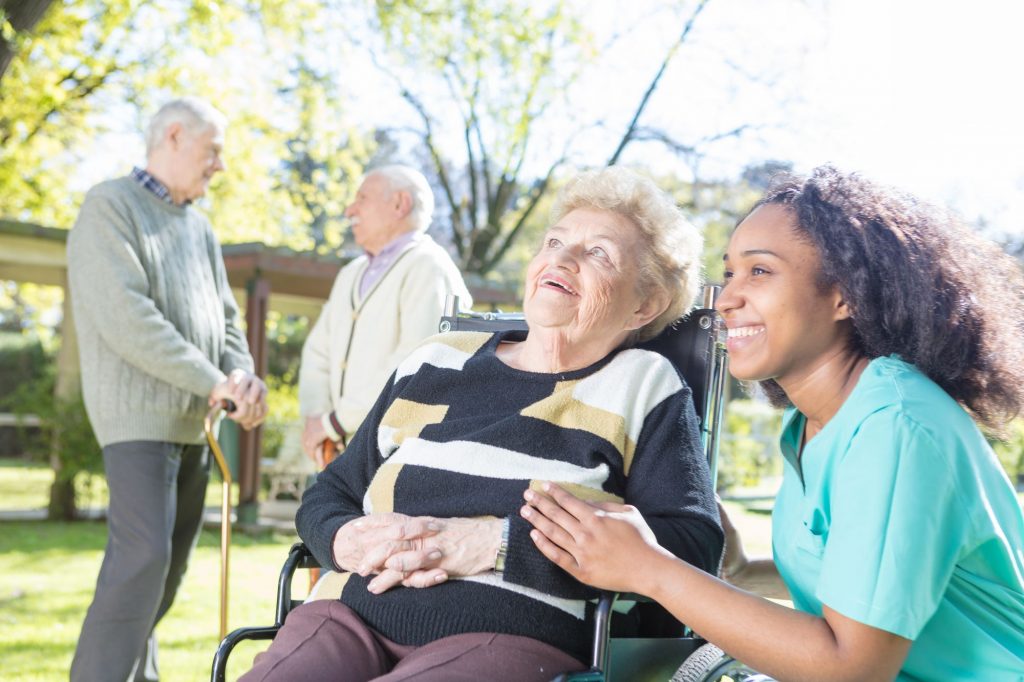
The skilled nursing center can give Jane some things she wouldn’t get at home, including:
- Meals: Three meals a day are served in the dining room or brought to a patient’s room. At home, we were wondering if she was eating properly.
- Medicine: They’ll purchase the medicines and administer them whenever they need to be given. At home, she occasionally let prescriptions run low or didn’t take her medicine at all.
- Social: The center has activities to get residents together almost every day and Jane knows a few people from church. At home, Jane was sitting alone in her living room much of the time.
- Exercise: Besides the rehab, there’s a full exercise facility. At home, there is no level place to walk, so she gets little or no exercise.
- Monitoring: Nurses station, 24-hour nurse on hand, emergency call system, daily checks. The staff monitors eating habits, exercise, drugs, and social activities every day. This helps her do those things on schedule and gives the family some peace of mind. At home, she received monitoring but not round-the-clock.
- Security: Jane is less likely to become the victim of crime or fraud at the center.
- Safety: The center assists with bathing. At home, Jane’s bathroom has a tub with no handicap access or other safety features. Additionally, the center provides a safe regulated environment and assists with all the ADLs.
- Transportation: The center will take you to doctor appointments, church, shopping, and other trips. Jane cannot drive safely anymore, so this is a massive benefit!
Jane’s Current Status
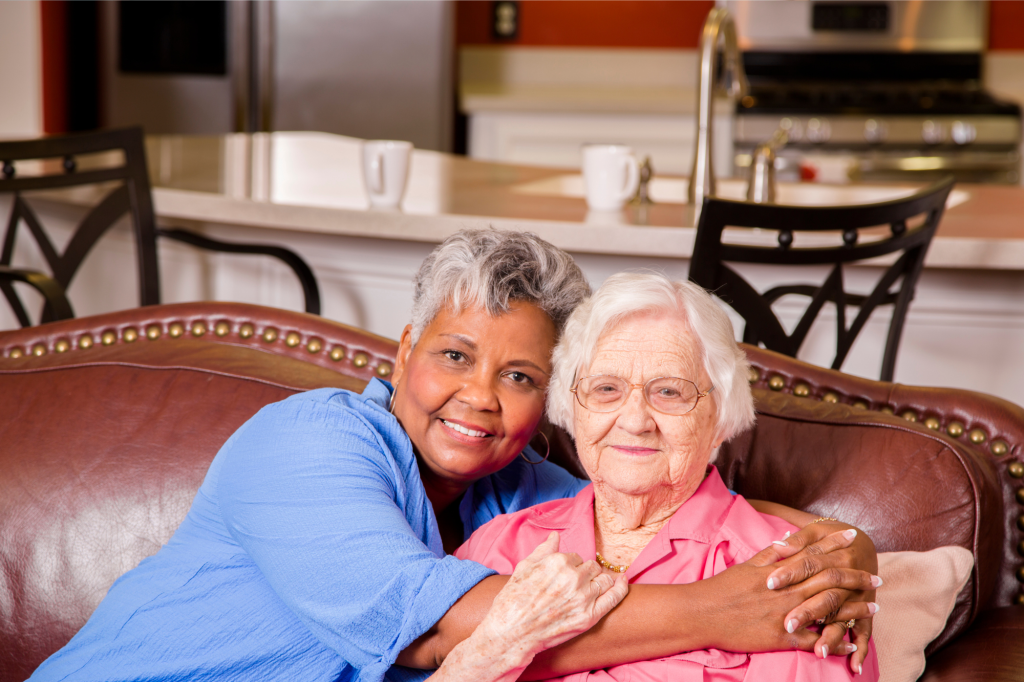
Now, Jane has been at the skilled nursing facility for two weeks. During that time, she’s been meeting people, taking part in activities, and enjoying regular meals. We brought over photos and some personal items. She seems to be getting adjusted to the move better than we expected, it just takes a while to get used to new surroundings.
She talks to family members every day, and we plan to visit just as often as before. The family has been advocating for her needs, too. We got her a TV, coordinated her dining preferences, and adjusted her bed so she could get to her nightstand in a wheelchair. We spoke with the social director to make sure she was invited to the social activities. They even offered to move her to a room with a person she likes to talk with in the dining hall, but she elected to stay put. Privacy is important to Jane, and the facility respects that!
Sometimes, it takes a crisis like a fall, a hospital stay, and a doctor’s advice to instigate a move like this. But it seems like it’s been wonderful for Jane, and I think all parties agree—including Jane.
Looking for more nursing home resources?
If you need more help, then start with these resources:
Bob Carlson’s Retirement Watch
U.S. Department of Veterans Affairs

Popular Articles About Nursing Homes
Originally published July 03, 2024
Author(s):