Stress Relief for Seniors, Proven Methods to Manage Anxiety
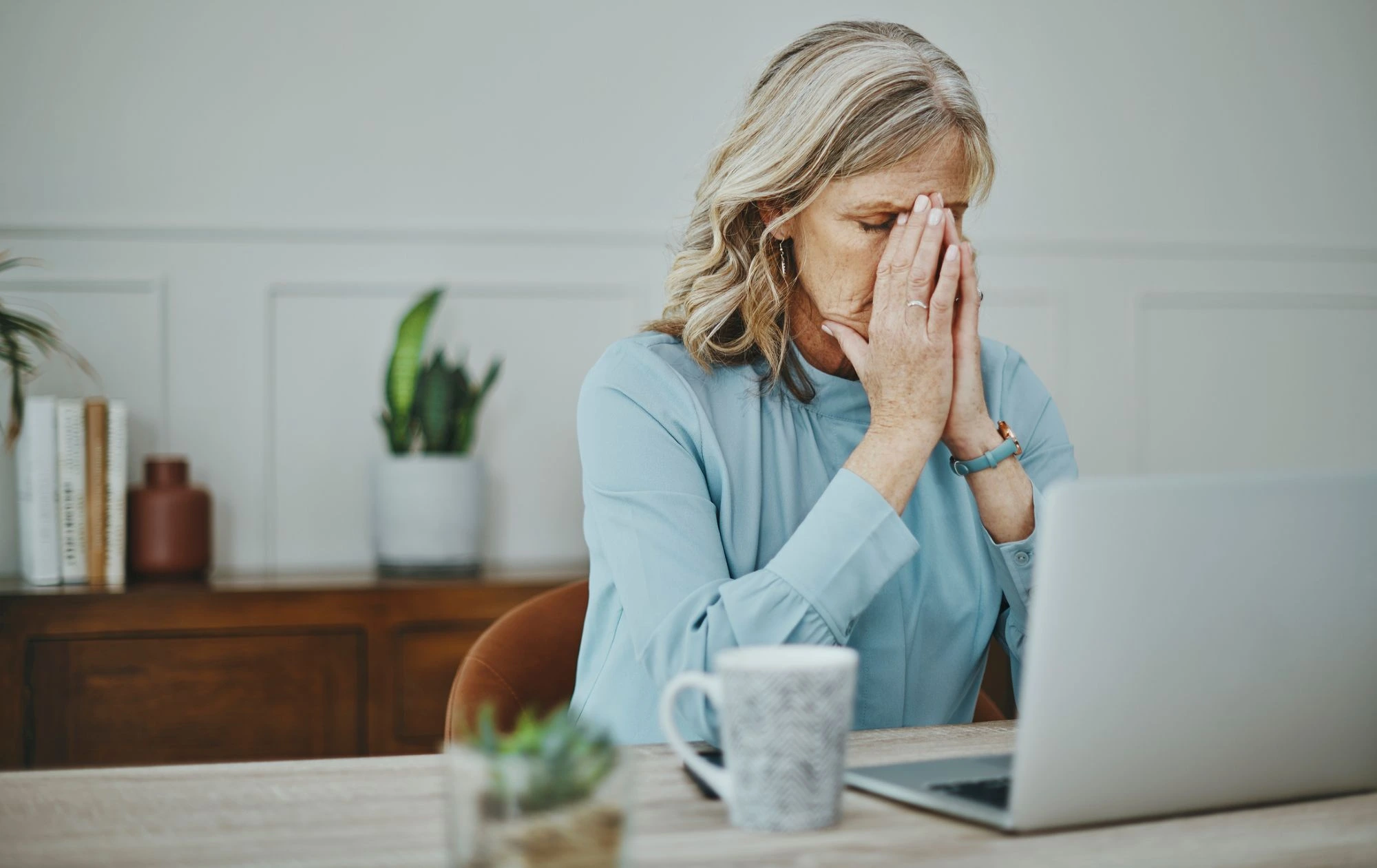
Anxiety. Sometimes, it can feel like one of those trendy buzzwords. Suddenly, everyone and their brother claims to have it. Simple tasks are put off with an off-hand: “I can’t do that. My anxiety won’t let me.” But here’s the truth: anxiety has always been around. Some might say that to be human is to be anxious. To some degree, we all suffer from anxiety. However, when it starts to disrupt your life, that’s when you might have a problem. And while there’s no shame in seeking therapy and medication, there are things you can do right now, at home, to help. So, if you want to learn how to overcome anxiety through a holistic approach, you’re in the right place. Let’s talk about anxiety…and resilience.
What is Anxiety?
WebMD defines anxiety simply as a “common term for worrying or feeling stressed about things.” In other words, we’ve all dealt with anxiety in some capacity. Sometimes, people get so anxious that they can’t shut off their brains or stop worrying. In fact, they might have lived with chronic anxiety for years, a condition known as Generalized Anxiety Disorder (GAD). Whether you have GAD, social anxiety disorder, or another type of panic disorder, there’s a pretty good chance you’ve experienced a few common symptoms, such as:
- Disproportional fear: We’ve all felt a twinge of fear, like when a big boom of thunder rattles the sky and shakes our entire house. Or when we take our eyes off our grandkids for one second and suddenly can’t find them anymore. However, feeling fear when the events don’t justify it is a common sign of an anxiety disorder (per WebMD).
- Trouble concentrating: Hi. My name is Wendy, and I’m a fret-a-holic. As someone with an anxiety disorder, I know this symptom all too well. When you’re focused on your fears and worries, it’s almost impossible to concentrate on anything else. Your mind might even go blank.
- Jitteriness: Anxiety nudges your body to produce adrenaline, a hormone that pushes you into a “fight-or-flight” state. As a result, you might feel jittery and tense, as if you’re ready to put up your dukes and fight someone. Or maybe flee from the foe inside your head.
- Insomnia: I’ve had many sleepless nights, tossing and turning along with my spinning thoughts. Turns out, there’s a link between insomnia and anxiety. The combination of adrenaline and worries doesn’t exactly lend itself to deep or quality sleep. Sometimes, it doesn’t lend itself to sleep at all. If you’ve struggled to fall (or stay) asleep far too often in your life, you might be in the grips of an anxiety disorder.
- Irritability: There have been many times in my life when, regrettably, I lashed out at others due to stress. At the time, I didn’t realize I was dealing with an anxiety disorder. Stress can make you feel on edge, which in turn can make you irritable. Unpleasant. Even testy.
What is Resilience?
According to Psychology Today, resilience can be defined as “the psychological quality that allows some people to be knocked down by the adversities of life and come back at least as strong as before.” In other words, resilient people face challenges head-on. Sure, they might get pushed beneath the waves now and then, even knocked down completely. But the key is that they don’t stay down. They don’t wallow in defeat or self-pity. Instead, they pick themselves off the ground and try again. Moreover, they have an optimistic outlook. They know what it means to suffer, but they don’t live in their past suffering. Resilient people look toward the future with a smile and tackle challenges with quiet resolve.
Managing Anxiety
Have you ever heard of the window of tolerance? And if not, what is it? According to Neurodivergent Insights, it’s “a metaphor for a state of nervous system balance where we can stay present, adaptable, and engaged with our surroundings.” In other words, when we operate or react within this window, we can handle stress and anxiety with grace. As Neurodivergent Insights notes in the same article, this state simply refers to how we feel with a regulated nervous system. Therefore, it stands to reason that anxiety occurs outside of the window of tolerance, and this is when our nervous system is thrown into disarray!
Fortunately, these breathing exercises can regulate your nervous system and, in turn, reduce your anxiety. Keep reading. Then take a moment or two to do these exercises!
- One Breath Reset: Exhale deeply, then take a slow, full breath in.
- Extended Exhalation Breathing: Breathe in for 4-5 seconds and exhale for 6-8 seconds.
- Combining Breathing with Movement: Shake out your arms and hands to release tension.
Meanwhile, ground techniques can shift your awareness back to the present moment.
- Sensory Awareness: Focus on what you see, hear, smell, or feel.
- Physical Sensations: Run your hands under cool water or touch the earth with your bare feet.
Holistic Approaches to Building Resilience

Physical Health
You can’t be strong if you don’t feel strong. Your physical health is important. When you eat processed junk and let your muscles wither away instead of going to the gym, you’re setting yourself up for weakness. Take your physical health seriously!
Try to:
- Eat a balanced diet. Focus on whole grains, fruits, veggies, and lean meats. And don’t forget to drink water! While the occasional cupcake or two won’t make or break your health, try to eat a diet rich in whole foods.
- Get regular physical activity. Aim for at least 150 minutes of moderate aerobic activity a week with two strength-training days. Also, try to walk and move around more! Even standing and stretching now and then can keep your body limber and strong.
- Aim for 7-9 hours of quality sleep each night. You aren’t you when you’re hungry, as the Snickers ad goes. I’d also argue that you aren’t you when you’re tired! Stick to a consistent sleep schedule and develop good sleeping habits.
- Stay hydrated throughout the day. Sure, coffee and soda are drinks, but they’re not exactly hydrating. Try to stick to water and herbal tea. If you can’t stomach the taste of plain old water, try to add sugar-free flavor packets or some fruit slices for a little extra pizzaz.
- Talk to your doctor about taking supplements like B vitamins, magnesium, or natural supplements like ashwagandha, L-theanine, and rhodiola. You might already be doing everything on our list and still feel sluggish. Weak, even. You might need more of a certain vitamin or mineral in your diet. Talk to your doctor about taking supplements. Don’t start a supplement regimen without seeking a healthcare provider’s advice first! If they give you the go-ahead, boost your diet with a few supplements.
Mental Health
- Cognitive-Behavioral Therapy (CBT) – You don’t have to go to therapy to do a little CBT. If you have negative or unhealthy thought patterns, start challenging them. Capture every unhelpful, self-critical, and unhealthy thought. Start looking for reasons to think positively. Don’t live in the negativity, even if that means you have to uninstall every social media app on your phone!
- Mindfulness – MayoClinic defines mindfulness as “a type of meditation in which you focus on being intensely aware of what you’re sensing and feeling in the moment, without interpretation or judgment.” You can do it anywhere, even at home. It’s been proven to reduce stress and anxiety, so give it a try sometime!
- Positive Affirmations – Remember what I said two paragraphs ago? Well, keep doing that, but tack on one more little step. Don’t just kick the negative thoughts out of your head. Counter them with a few positive affirmations. Something simple like: “I am confident.” Or: “I am smart.”
- Support Groups – We often find healing in community. If you’re struggling on your own, don’t be afraid to reach out to others. Join support groups so you can meet others who’ve been in your shoes. Look for connections with like-minded people! They’re worth their weight in gold.
Emotional Health
- Doomscrolling through social media isn’t healthy, but we all do it. Start replacing your less-than-productive hobbies with healthier ones. For example, start journaling. Or try your hand at something creative, like painting or even dancing.
- We often say that kindness counts, but we really only include other people inside that equation. People who aren’t us. Make sure you’re kind to yourself, too! Don’t beat yourself up for every little mistake. Remember that you have intrinsic value as a human being and cling to that truth. Jesus loves you, and so do all your loved ones!
- Laugh! Life is too short to go without laughing. Even though the world around us is heavy, we can still find reasons to laugh and smile. Whether it’s a conversation with your funniest friend or a hilarious show or movie, try to find at least one thing that can tickle your funny bone today!
Spiritual Health
- As human beings, we’re created for connection with more than other human beings. We’re created with a divine purpose. Whether you believe in God or follow a different belief system, don’t neglect your spiritual health. If you haven’t already, attend a local church. Read the Bible (or your religious text of choice). Make prayer a priority in your life!
- Build a community of believers. Seek out others who share your faith and values and get to know them. Church is a great place to find a support system, but you aren’t limited to only in-person institutions. You can also join online communities or even enroll in a virtual Bible study to make those oh-so-important connections.
Building resilience is tough. Some might even call it a lifelong journey. Sometimes, you might have enough resilience for five people. Other times, you might get knocked off your feet and stay down for months. Even years. Refer to my previous tip and be kind to yourself. Celebrate every victory, big and small. If you’re so anxious you can’t even function, seek professional help. There’s no shame in meeting with a therapist and counselor to sort through your issues, so don’t let pride hold you back from living your best life.
Listen to the Full Episode Below!
Subscribe to & Connect with Next Steps 4 Seniors: Conversations on Aging

Visit Next Steps 4 Seniors: https://nextsteps4seniors.com/

Popular Articles About Mental and Emotional Health
Originally published July 10, 2025
Author(s):