Estate Planning (Page 3 of 7)
The Taxman and Your Estate
“Now my advice for those who die, declare the pennies on your eyes.”

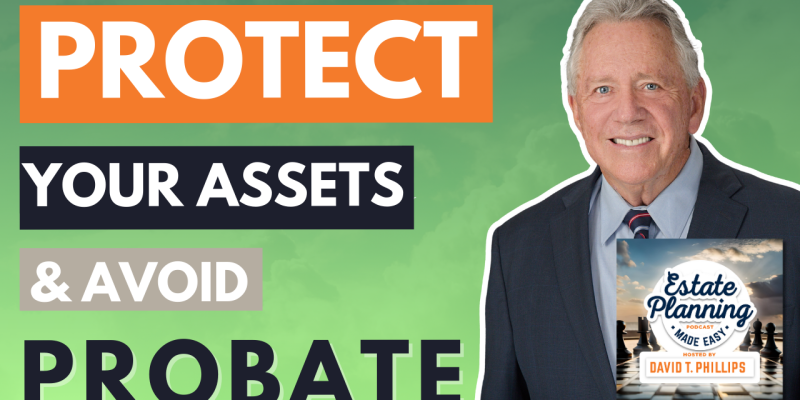
A/B Trusts, Protect Your Assets and Avoid Probate
Using this little-known estate planning technique, you not only avoid probate, but the Credit Shelter “B” Trust can also grow to unimaginable sums with absolutely no future federal or state estate taxes.
8 Assets You Don’t Want Your Heirs to Inherit
You want to leave your family and friends with things that will make their lives better, right? But sometimes, even the nicest gifts can cause problems.

How to Write a Living Will
Preparing a living will now is a smart decision that gives you a say in how you want to be treated at the end of your life. Here’s what you should know, along with some resources to help you write one.

10 Reasons You Need an Advance Directive
Have you ever wondered who gets to call the shots in terms of your healthcare or overall well-being when you are no longer able to do so? If you are worried that you won’t receive the proper care or that decisions about your health made by someone else on your behalf might not be what you intended or need, don’t sweat it. There is something out there that protects you and that something is referred to as an Advance Directive.

What to Include in and Exclude from a Will
As the saying goes: “If there’s a will, there’s a way.” This is especially true when looking at a last will and testament. This document will distribute your assets after your passing. And it can even go so far as to appoint guardianship over your children if they’re minors. But it’s important to know what goes into this process.

Is a Trust Right for Your Estate Plan?
There are a number of different types of trust options available when it comes to estate planning, and it can be difficult to know which one is best for your needs. Here’s an overview of the most common types of trusts and what they offer.

Logical Estate Planning to Keep Predators, Creditors, and the IRS from Taking Over
Don’t become another cautionary tale like Howard Hughes, whose $2.5 billion estate became entangled in a legal battle after over 20 wills surfaced.

What Are Charitable Trusts?
In estate planning, charitable trusts offer tax benefits, asset protection, and provision for heirs while supporting charitable organizations. They are particularly advantageous for high-net-worth individuals balancing philanthropic goals with financial planning. By incorporating charitable trusts into their estates, individuals can achieve both personal and philanthropic objectives, creating a lasting legacy.

Trusts in Estate Planning: 6 Things You Need to Know
Creating a well-crafted estate plan often involves establishing a trust. A trust is a fiduciary relationship where you give a third party, the trustee, the authority to hold and manage your assets on behalf of the trust’s beneficiaries. Trusts are versatile and can be used in many ways. They can reduce estate taxes or help you control your finances, for example. Here are 6 more things you should know about adding trusts to your estate plan.

How to Arrange Your Own Cremation Service
If you’re looking for a simple and affordable way to go, cremation is an excellent choice, and one that’s become exceedingly popular in the United States. About 60% of Americans are now choosing cremation over a traditional burial, versus only around 20% in the mid-1990s.

Is There an Age Limit for Organ Donation?
“I never thought about becoming an organ donor until my brother died of kidney failure last year. But at age 78, I would like to know if I’m too old to be a donor…”
How to Create an Online Memorial for a Departed Loved One
Thousands of families create online memorials for departed loved ones. Here’s what you should know.

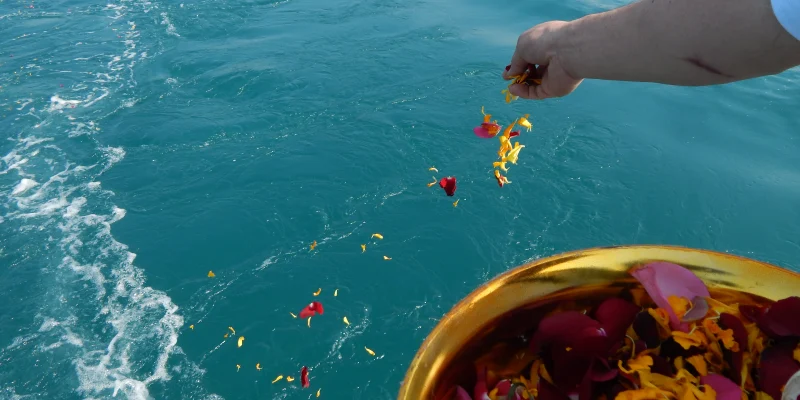
What to Do with Cremated Ashes
There’s no shortage of options when it comes to handling or disposing of your cremated remains after you’re gone. Your family can keep, bury or scatter them in a variety of imaginative ways that reflect your life and personality. Here are some different options to consider.
What Happens if You Die Without a Will?
What’s the cost of dying without a will? As it turns out – a lot.

Top 10 Estate Planning Attorneys in Honolulu

5 Types of Elder Abuse and How to Spot Them

Financial and Legal Resources for Grandparents Raising Grandchildren

Free Senior Resources