What Is Spam And How Is It Harmful To Seniors?
Technical terms that describe any kind of malicious attack on our devices can be confusing. Of course, they all basically have one goal in common: to steal information. So, let’s start with one common term to understand: spam. What is it and how is it harmful to seniors? Read on to find out!
What Is Spam?
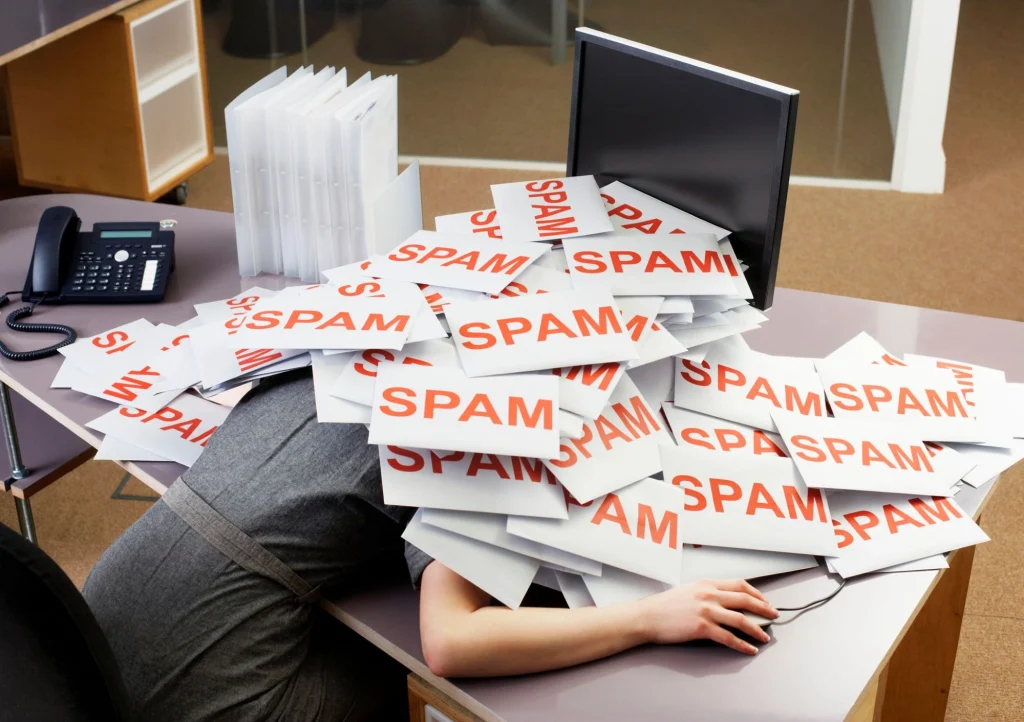
Spam is any kind of unsolicited digital communication (usually email) that is sent to internet users in bulk. Spam can also be received by text messages and social media. Typically, spam is sent out for commercial purposes. But, it can contain a malicious program that accesses your device when you open the email attachments or links.
How Is Spam Harmful To Seniors?
Commercial spam is mostly an annoyance. Spam can only be dangerous if it contains malware or other scam methods. A scam would be when the email or other message received asks for personal information through a fake website or false pretenses (phishing). Phishing is a real danger to seniors and their bank accounts, credit cards, or other important private assets. Over 2 million seniors every year become victims of identity theft!
How Can Seniors Spot Spam?
There are many ways seniors can recognize spam or phishing attempts on their own. Here are some common spam characteristics to know about:
- URGENT TITLES TYPED IN ALL CAPS and promise big things!
- Suspicious senders – Sender emails may resemble actual retailers or real people at first glance, but when closely inspected have discrepancies or unmatching names and addresses.
- Grammar or spelling errors
More Help For Seniors
For resources and more help with spam or unwanted soliciting, visit these websites!
US Department of Justice – SPAM
Better Business Bureau Spam Tracker
Microsoft – Protect yourself from phishing

Popular Articles About Senior Tech and Apps
Originally published February 03, 2025
Author(s):