What Seniors Need to Know about Sarcopenia and Losing Muscle Mass
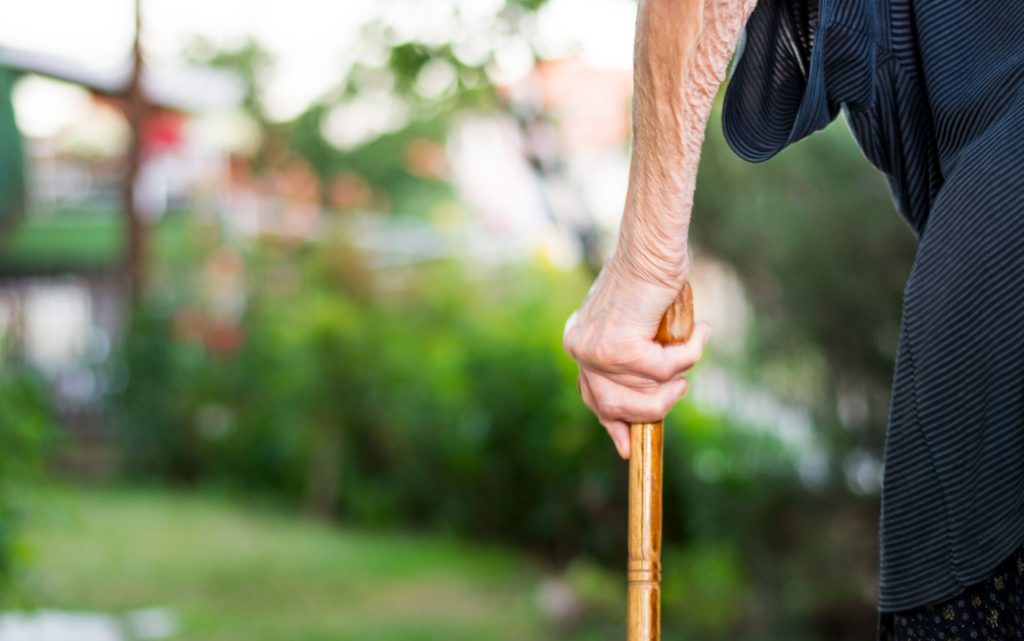
Ever heard of sarcopenia? It’s the gradual loss of muscle mass that can occur with aging. Some 15% of people over the age of 65 and 50% of people over 80 suffer from it. But you or your loved ones don’t have to be included in that group.
Here’s what happens: As we lose muscle mass, we lose strength. If we lose too much, our legs and arms get weak, and we can’t hoist that suitcase into the overhead bin of an airplane or walk like we used to.
The key to keeping your muscles strong is to use those muscles – and eat enough protein. The body’s ability to make muscle from protein decreases a bit with aging, so increasing dietary protein – along with muscle-building exercises – can help maintain muscle mass and strength.
Paul Jacques, a professor at the Friedman School of Nutrition Science and Policy and senior scientist on the Human Nutrition Research Center on Aging’s Nutritional Epidemiology Team, and his colleagues found higher protein intake may translate to less frailty, disability, or physical dysfunction.
“We found that higher protein intake was associated with a 30% lower risk of losing functional integrity with time,” writes Jacques in Tufts University Health and Nutrition Letter. “This is observational data, but it clearly demonstrates the potential importance of a higher protein diet.”
The problem is many older adults have difficulty chewing meat (a good source of protein) due to teeth or denture problems. Older adults also produce less hydrochloric acid in their stomachs, which breaks down protein, another reason to consume additional protein later in life.
It’s best to include protein foods in every meal – to spread protein intake out evenly throughout the day. Think about including non-meat sources of protein – protein shakes or supplements, milk, cottage cheese, Greek yogurt, beans, fish, eggs, and soy.
The Recommended Daily Allowance for protein is 0.8 grams of protein per kilogram (or .36 grams per pound) for most Americans. That works out to about 58 grams for someone weighing 160 pounds or 68 grams for someone weighing 190 pounds.
The bottom line is to spread protein throughout your day and take that walk. Exercise and protein work hand-in-hand to build and preserve muscle.
Shrimp-Asparagus Stir-Fry
When I need a quick meal, I often turn to my wok for inspiration. Here’s a recipe for a shrimp-asparagus stir-fry that gives a boost to your vegetable intake and gets a flavor boost from fresh ginger and basil.
Servings: 6
3 tablespoons lower-sodium soy sauce
1 tablespoon cornstarch
3/4 teaspoon crushed red pepper
3 tablespoons canola oil, divided
1 pound medium peeled, deveined raw shrimp
1 tablespoon minced, peeled fresh ginger
3 garlic cloves, minced
2 cups diagonally sliced fresh asparagus
1 cup thinly sliced red onion
3/4 cup unsalted chicken stock
4 cups cooked long-grain brown rice
Thinly sliced basil (optional)
Whisk together soy sauce, cornstarch, and crushed red pepper in a small bowl until smooth; set aside. Heat a wok or 12-inch nonstick skillet over medium-high heat. Add 1 1/2 tablespoons oil and swirl to coat. Add shrimp, ginger, and garlic; cook, stirring often, for about 3 minutes. Remove the shrimp mixture and cover to keep warm. Return skillet (don’t wipe clean) to medium-high and add remaining oil. Add asparagus and onion; cook, stirring often, until slightly softened, about 3 minutes. Add stock and soy sauce mixture; bring to a boil over medium-high. Reduce heat to medium and simmer until slightly reduced, about 4 minutes. Stir in shrimp mixture and cook, stirring constantly for another minute. Spoon cooked rice into bowls and top with shrimp mixture. Garnish with basil, if desired. Serve immediately. Serves 6 (serving size: 2/3 cup rice and 2/3 cup shrimp mixture).
Per serving: 294 calories; 16 grams protein; 37 grams carbohydrate; 9 grams fat (1 gram saturated); 4 grams fiber; 2 grams sugars (0 grams added); 419 milligrams sodium.
COPYRIGHT 2024 CREATORS.COM, NUTRITION NEWS

Popular Articles About Nutrition
Originally published October 18, 2024
Author(s):